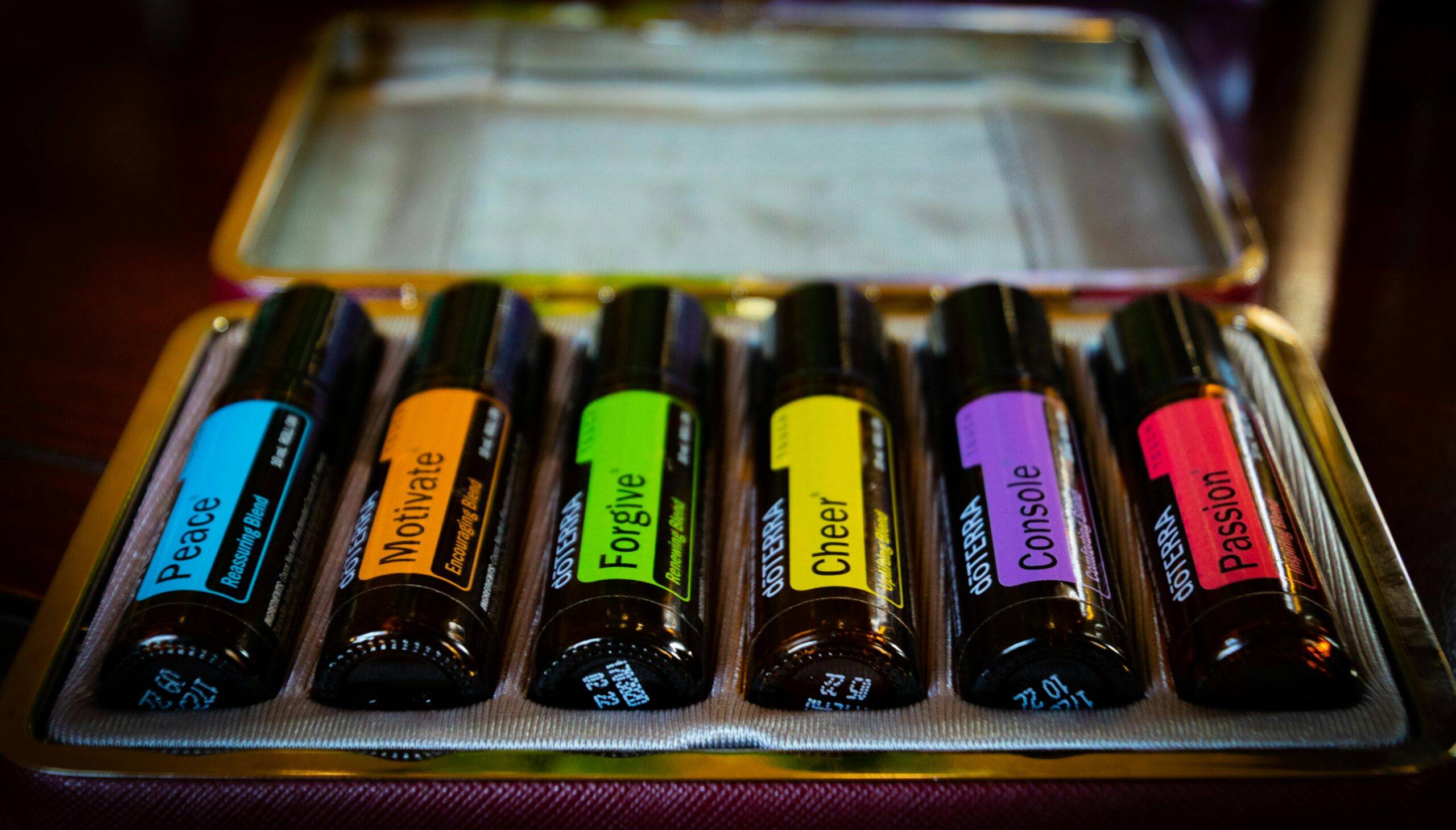
The shift toward eco-friendly cleaning products represents a significant step for environmental health, yet hidden pitfalls lurk when manufacturers make questionable ingredient swaps that compromise both safety and sustainability. 🌿

Understanding the Green Cleaning Revolution
The eco-friendly cleaning market has experienced explosive growth over the past decade, with consumers increasingly demanding products that align with their environmental values. This surge in popularity has created unprecedented opportunities for innovation, but also opened doors for companies to cut corners through what industry experts call “regrettable substitutions.” These are ingredient replacements that appear green on the surface but may carry hidden environmental or health concerns that rival or exceed the problems associated with conventional formulations.
The concept of regrettable substitutions emerged from toxicology research that revealed how some alternatives to problematic chemicals actually introduced new hazards. For instance, when BPA was phased out of many consumer products, manufacturers often replaced it with BPS or BPF—structurally similar compounds that research later suggested might pose comparable health risks. This pattern has become alarmingly common in the cleaning products industry, where the rush to create “green” alternatives sometimes prioritizes marketing appeal over genuine safety improvements.
The Hidden Dangers Lurking in “Natural” Labels
Natural doesn’t automatically mean safe or sustainable. This fundamental misunderstanding drives many regrettable substitutions in eco-friendly formulas. Essential oils, for example, frequently replace synthetic fragrances in green cleaning products, yet some pose their own concerns. Tea tree oil, while naturally antimicrobial, can be toxic to aquatic life when washed down drains in significant concentrations. Citrus-based d-limonene, another popular natural solvent, can react with ozone in indoor air to form harmful secondary pollutants including formaldehyde.
The extraction and production of natural ingredients also carries environmental costs that marketing materials rarely highlight. Coconut-based surfactants have become ubiquitous in eco-friendly formulas, yet large-scale coconut cultivation has contributed to deforestation in Southeast Asia and raised concerns about labor practices. Palm oil derivatives present similar sustainability challenges despite their plant-based origins and biodegradability.
Deconstructing Common Ingredient Swaps
Understanding which substitutions create genuine improvements versus those that simply shift problems requires examining specific ingredient categories. Surfactants, preservatives, solvents, and chelating agents each present unique challenges when formulating truly clean products.
Traditional synthetic surfactants like sodium lauryl sulfate (SLS) became villainized in natural product circles, leading many brands to switch to alternatives marketed as gentler and more sustainable. However, some replacements like cocamidopropyl betaine have documented allergen potential, causing contact dermatitis in sensitive individuals. The lesson here isn’t that SLS is necessarily superior, but rather that each ingredient requires individual assessment rather than blanket categorization as “good” or “bad.”
The Preservative Paradox in Water-Based Formulas
Preservatives represent perhaps the most challenging area for eco-friendly formula development. Water-based cleaning products require antimicrobial preservation to prevent bacterial and fungal contamination that could pose health risks. Traditional preservatives like parabens and formaldehyde-releasing agents fell out of favor due to health concerns, creating demand for alternatives.
Many natural brands turned to preservative systems based on essential oils, fermented ingredients, or organic acids. While these can be effective, they often require higher concentrations to achieve adequate preservation, potentially increasing irritation potential and environmental impact. Some popular “natural preservatives” like phenoxyethanol are actually synthetic compounds that happen to have nature-identical counterparts, highlighting the blurred lines in green formulation.
The most problematic scenario occurs when brands attempt to market products as “preservative-free” when they still contain water. This either means the product contains hidden preservatives under unfamiliar names, or it lacks adequate preservation and may harbor microbial growth. Both situations represent failures in transparent formulation and consumer education.
Creating Effective Preservation Without Compromise
Responsible formulators approach preservation through multiple strategies. Reducing water content through concentrated formulas decreases microbial risk while cutting packaging and transportation impacts. Combining multiple gentle preservatives at lower concentrations can achieve the broad-spectrum protection needed without relying on single, higher-risk ingredients. Packaging innovations like airless pumps and single-use formats can also extend product stability without harsh preservatives.
Solvent Selection and Environmental Impact 💧
Solvents dissolve oils, greases, and stubborn residues, making them essential to cleaning product performance. Petroleum-derived solvents like mineral spirits and glycol ethers dominated conventional formulas but carry health and environmental concerns that prompted the search for greener alternatives.
Bio-based solvents derived from plants or fermentation offer renewable sourcing but don’t automatically guarantee lower toxicity or environmental impact. Methyl soyate, derived from soybeans, provides effective degreasing but can cause eye and skin irritation similar to petroleum solvents. Production of bio-solvents also requires agricultural land, water, and energy inputs that must be weighed against their benefits.
The most effective approach involves using solvents sparingly and only when necessary, optimizing cleaning through mechanical action, time, and temperature rather than aggressive chemistry. Concentrated formulas that consumers dilute at home reduce the total volume of solvents entering the environment while improving product economics and reducing packaging waste.
Fragrance: The Invisible Elephant in the Room
Fragrance represents one of the most controversial aspects of cleaning product formulation. Synthetic fragrance compounds, often listed simply as “fragrance” or “parfum” on ingredient labels, can contain dozens or even hundreds of undisclosed chemicals, some with potential health concerns. This lack of transparency drove consumers toward fragrance-free or naturally scented products.
However, natural fragrances present their own challenges. Essential oils are complex mixtures of volatile organic compounds that can trigger allergies, contribute to indoor air pollution, and require significant plant material for extraction. Lavender oil, while broadly considered gentle, contains components that have demonstrated endocrine-disrupting potential in laboratory studies. Synthetic fragrance molecules, when properly evaluated and disclosed, may actually offer more sustainable and safer options than natural extraction in some cases.
Moving Beyond the Natural Versus Synthetic Debate
The most progressive brands are abandoning the false dichotomy between natural and synthetic ingredients, instead evaluating each component based on its safety profile, environmental impact across its full lifecycle, and functional necessity in the formula. This evidence-based approach prevents regrettable substitutions driven by marketing trends rather than genuine improvements.
Chelating Agents and Water Chemistry
Chelating agents bind to metal ions in hard water, preventing them from interfering with cleaning performance and creating soap scum. EDTA (ethylenediaminetetraacetic acid) has served this role effectively in conventional products but persists in the environment and can mobilize heavy metals in aquatic systems.
Common alternatives include citric acid, gluconic acid, and plant-derived amino acids. While these biodegrade more readily, they’re often less effective, requiring higher concentrations or supplementation with other ingredients to achieve comparable performance. This effectiveness gap can lead to consumer dissatisfaction and potentially higher overall environmental impact if consumers use more product or wash items multiple times.
Advanced formulation strategies address this challenge through ingredient synergies and water conditioning approaches that work with local water chemistry rather than against it. Some brands now offer region-specific formulas optimized for local water hardness, though this increases production complexity.
pH Balance and Material Compatibility
Cleaning effectiveness often correlates with pH extremes—highly alkaline formulas cut grease while acidic products dissolve mineral deposits. However, aggressive pH levels can damage surfaces, irritate skin, and create disposal challenges. Many eco-friendly brands formulate closer to neutral pH, marketing this as gentler and safer.
This substitution becomes regrettable when near-neutral products simply don’t clean effectively, leading consumers to use excessive amounts or revert to conventional products. Responsible formulation balances pH with performance, using pH adjustment strategically only where needed rather than formulating everything neutral as a default.
Selecting Appropriate Products for Specific Tasks
Consumer education plays a crucial role in preventing regrettable substitutions at the usage level. Not every cleaning task requires the same formula. Truly sustainable cleaning systems involve using the mildest effective product for each application rather than one-size-fits-all solutions that are either too harsh or ineffective.
Transparency and Third-Party Certification 🏆
The complexity of evaluating ingredient safety and sustainability creates information asymmetry between manufacturers and consumers. Third-party certifications help bridge this gap by providing independent verification of product claims. However, not all certifications carry equal weight or evaluate the same criteria.
Certifications like EPA Safer Choice, EU Ecolabel, and Cradle to Cradle evaluate products comprehensively across health, environmental, and performance metrics. Others focus narrowly on single attributes like plant-based content or absence of specific chemicals without considering the full picture. Understanding what each certification actually verifies helps consumers make informed choices and encourages manufacturers to pursue meaningful improvements rather than superficial greenwashing.
Complete ingredient disclosure represents another crucial transparency element. Brands that list all ingredients, including those not legally required to be disclosed, demonstrate confidence in their formulations and respect for consumer autonomy. This transparency allows individuals with specific sensitivities to make informed choices and helps advance collective understanding of ingredient impacts.
Performance Testing and Real-World Effectiveness
A substitution becomes truly regrettable when it compromises product performance to the point that consumers abandon eco-friendly products entirely. Products must clean effectively to justify their existence—ineffective green products that end up in landfills half-full represent worse environmental outcomes than smaller amounts of effective conventional alternatives.
Rigorous performance testing during product development ensures formulas deliver on their promises. This includes testing on realistic soil conditions, various surface types, and different water qualities. User testing with actual consumers in their homes provides insights laboratory testing cannot replicate.
Balancing Perfection and Progress
Waiting for perfect ingredients that check every box for safety, sustainability, effectiveness, and affordability may prevent progress. The goal is continuous improvement—formulas that represent genuine advancement over conventional alternatives even if they’re not perfect in every dimension. This pragmatic approach prevents paralysis while maintaining momentum toward genuinely cleaner products.
Formulating for the Full Product Lifecycle
Preventing regrettable substitutions requires considering impacts beyond just ingredient sourcing. Packaging, transportation, consumer use, and end-of-life disposal all contribute to a product’s environmental footprint. An ingredient that appears more sustainable in isolation might increase overall impact if it requires special packaging, refrigeration, or complex disposal procedures.
Concentrated formulas exemplify lifecycle thinking—they may contain similar ingredients to conventional products but deliver dramatically reduced environmental impact through decreased packaging, transportation emissions, and warehouse space requirements. Refillable packaging systems take this further, though they require consumer behavior change and infrastructure development to succeed at scale.
Looking Forward: Innovation Without Regret
The future of eco-friendly cleaning formulation lies in biotechnology, green chemistry, and systems thinking. Enzymatic cleaners that break down specific soils offer targeted effectiveness with minimal environmental impact. Probiotic cleaners introduce beneficial microorganisms that compete with harmful bacteria. These innovations move beyond simple ingredient substitution toward fundamentally different cleaning mechanisms.
Advances in green chemistry provide genuinely novel ingredients designed from the molecular level for safety, effectiveness, and biodegradability. These purposefully created compounds may be synthetic but represent more sustainable options than extracting limited natural resources or accepting the trade-offs of imperfect alternatives.
Consumer expectations continue evolving as understanding of true sustainability deepens. The market increasingly rewards brands that communicate honestly about trade-offs rather than promising unrealistic perfection. This maturation creates space for nuanced conversations about ingredient choices and formula optimization.

Empowering Informed Choices Through Education
Ultimately, preventing regrettable substitutions requires collaboration between formulators, regulators, retailers, and consumers. Manufacturers must prioritize evidence-based ingredient selection over marketing trends. Regulators need frameworks that encourage innovation while protecting health and environment. Retailers can curate product selections based on verified criteria rather than vague natural claims.
Consumers play their part by educating themselves about ingredient function and impact, looking beyond simplistic natural versus synthetic categorizations. Understanding that perfect products don’t exist helps set realistic expectations while maintaining pressure for continuous improvement. Supporting brands that demonstrate transparency and invest in research encourages the industry toward better practices.
The journey toward truly clean cleaning products continues, with setbacks and successes along the way. By learning from regrettable substitutions of the past and applying rigorous evaluation to innovations of the future, the industry can fulfill the promise of products that protect both home and planet without compromise. The goal isn’t returning to either conventional chemistry or primitive cleaning methods, but advancing toward formulas that harness the best available science in service of health, performance, and genuine sustainability. 🌍