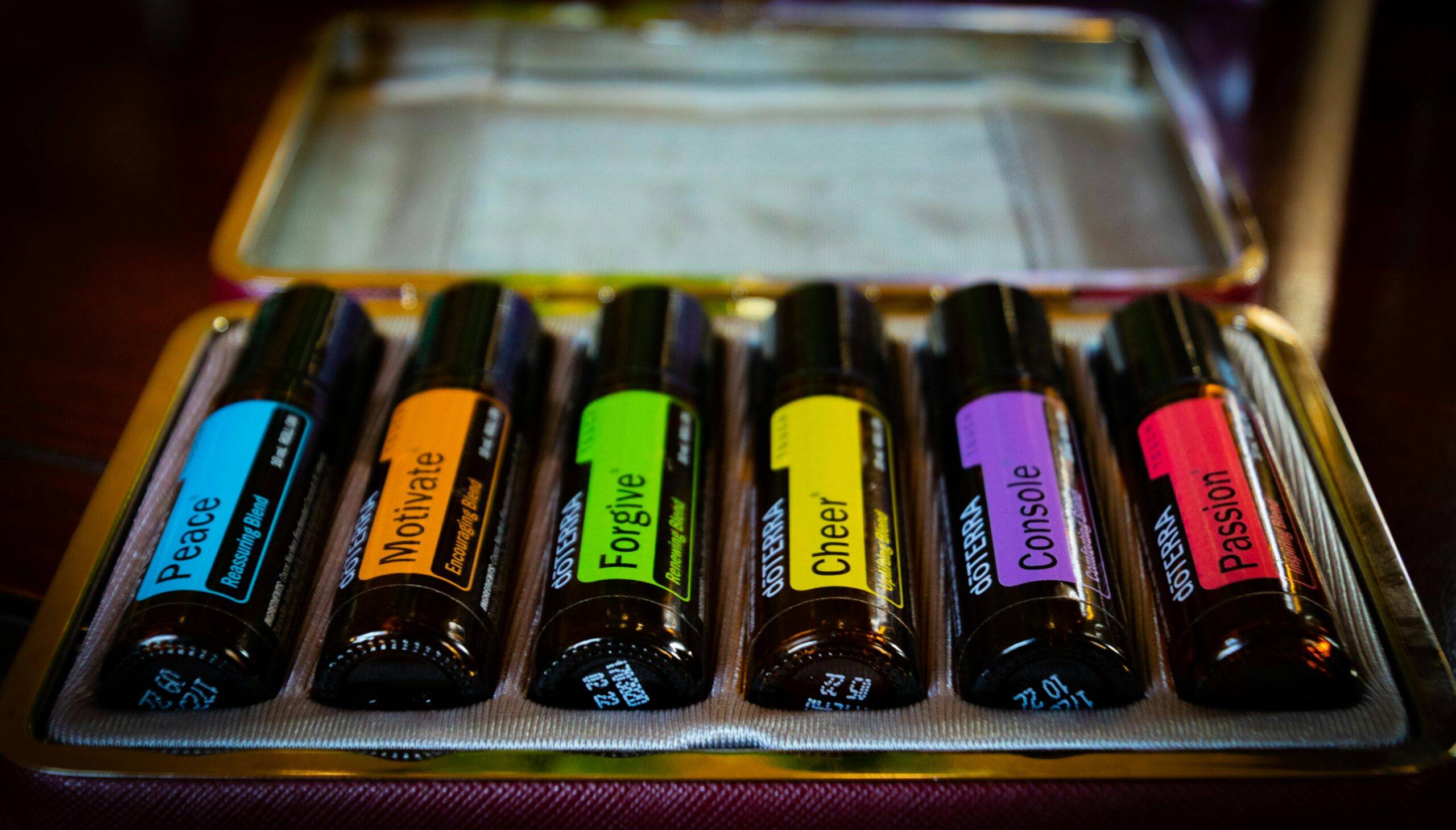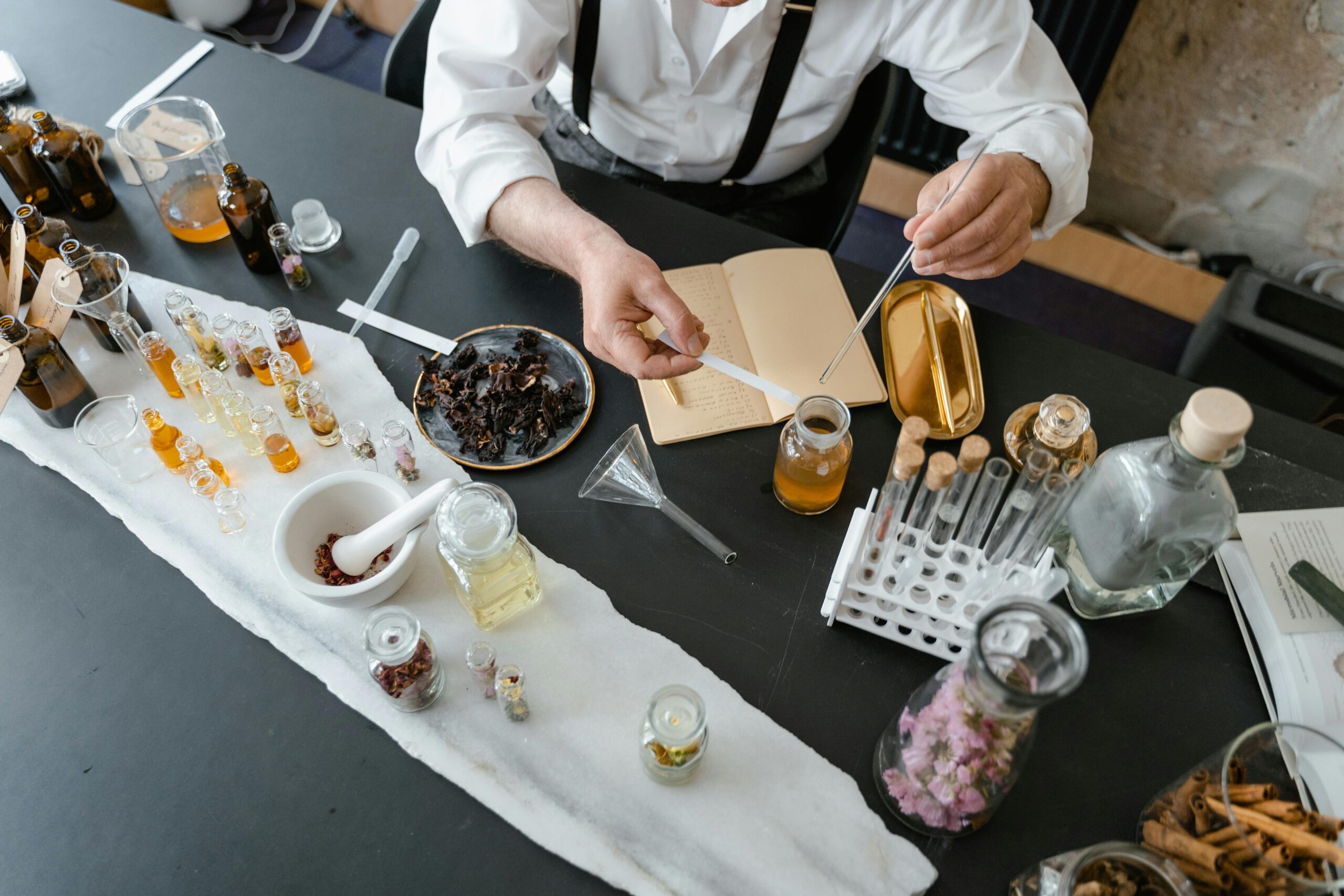
The beauty industry stands at a crossroads where consumer demand for sustainable products meets the urgent need for environmental responsibility in cosmetic formulation and production.

🌿 The Environmental Wake-Up Call in Beauty
The cosmetics industry generates over 120 billion units of packaging annually, with a significant portion ending up in landfills and oceans. This staggering statistic has prompted brands, formulators, and consumers to reconsider how beauty products are conceived, manufactured, and disposed of. Life-cycle assessment (LCA) has emerged as a powerful methodology to quantify environmental impacts across every stage of a product’s existence—from raw material extraction to end-of-life disposal.
Traditional cosmetic development focused primarily on efficacy, safety, and sensory appeal. However, the modern formulator must now balance these considerations with environmental stewardship. This paradigm shift requires tools that can measure and compare the ecological footprint of different formulation choices, making LCA an indispensable framework for sustainable cosmetic innovation.
Understanding Life-Cycle Assessment: Beyond Green Marketing
Life-cycle assessment is a comprehensive analytical method that evaluates environmental impacts associated with all stages of a product’s life. Unlike superficial “green” claims, LCA provides quantifiable data across multiple environmental indicators including carbon footprint, water consumption, eutrophication potential, and ecosystem toxicity.
The methodology follows ISO 14040 and 14044 standards, ensuring consistency and credibility across different studies and industries. For cosmetic products, LCA examines four distinct phases: goal and scope definition, inventory analysis, impact assessment, and interpretation. Each phase contributes critical insights that inform formulation decisions.
The Four Pillars of Cosmetic Life-Cycle Assessment
The first pillar—goal and scope definition—establishes boundaries for the assessment. For a facial moisturizer, this might include ingredient sourcing, manufacturing, packaging, distribution, consumer use, and disposal. Defining system boundaries determines which processes are included and ensures comparability between alternative formulations.
Inventory analysis, the second pillar, catalogs all inputs and outputs throughout the product lifecycle. This includes energy consumption during manufacturing, water used in formulation, emissions from transportation, and waste generated at each stage. For cosmetics, this phase often reveals surprising hotspots, such as the disproportionate impact of certain packaging materials or ingredient cultivation methods.
Impact assessment translates inventory data into environmental consequences. Categories relevant to cosmetics include climate change, aquatic toxicity, land use, and resource depletion. A preservative system might score well on climate impact but poorly on aquatic toxicity, prompting formulators to seek balanced alternatives.
The interpretation phase synthesizes findings into actionable recommendations. This is where science meets formulation strategy, enabling brands to make informed decisions about ingredient selection, packaging design, and manufacturing processes.
⚗️ Ingredient Selection Through an Environmental Lens
Raw materials typically account for 40-70% of a cosmetic product’s environmental footprint, making ingredient selection the most impactful lever for sustainability. LCA enables formulators to compare environmental profiles of functionally equivalent ingredients, revealing trade-offs that aren’t immediately apparent.
Consider emollients—a fundamental component in moisturizers and creams. Mineral oil derivatives have low agricultural impact but rely on fossil resources. Plant-based alternatives like palm oil raise concerns about deforestation, while other botanical oils require significant water and land resources. LCA quantifies these trade-offs, allowing formulators to select ingredients aligned with their sustainability priorities.
Synthetic vs. Natural: Breaking Down the False Dichotomy
The cosmetics industry has long debated synthetic versus natural ingredients, often framing natural as inherently more sustainable. Life-cycle assessment challenges this oversimplification by revealing that “natural” doesn’t automatically mean “eco-friendly.”
Biotechnology-derived ingredients produced through fermentation can demonstrate lower environmental impacts than field-grown botanical extracts when factors like land use, pesticide application, and processing energy are considered. Similarly, synthetic preservatives used at low concentrations may have smaller overall footprints than natural preservation systems requiring higher usage levels and multiple ingredients.
The key insight from LCA is that sustainability depends on multiple factors: production method, concentration used, efficacy, transportation distance, and processing requirements. A holistic assessment prevents the greenwashing trap of choosing ingredients based solely on their “natural” label.
📦 Packaging: The Visible Face of Environmental Impact
While ingredients dominate the environmental footprint in many cosmetic categories, packaging significantly influences consumer perception and contributes substantially to waste generation. LCA applied to packaging design evaluates material selection, manufacturing processes, transportation efficiency, and end-of-life scenarios.
Glass containers, often perceived as premium and sustainable, require high energy for production and transportation due to weight. Aluminum offers excellent recyclability but demands substantial energy during initial production. Various plastics present different profiles—PET demonstrates good recyclability, while complex multilayer materials optimize product protection but complicate recycling.
Designing for Circularity and Reduced Impact
Life-cycle thinking encourages packaging design that minimizes environmental burden across all stages. Lightweighting reduces material use and transportation emissions without compromising product protection. Mono-material designs improve recyclability compared to complex assemblies. Refillable systems dramatically reduce per-use impact by eliminating repeated primary packaging production.
Post-consumer recycled (PCR) materials deserve special attention in LCA studies. Using PCR content reduces virgin resource extraction and typically shows favorable environmental profiles compared to virgin materials. However, formulators must ensure PCR packaging maintains barrier properties and doesn’t compromise product stability—a balance where LCA can guide optimal recycled content percentages.
Manufacturing and Energy: The Hidden Environmental Cost
Production processes account for 10-30% of cosmetic product environmental impacts, varying significantly based on formulation complexity and manufacturing scale. Energy sources powering production facilities dramatically influence carbon footprints—facilities using renewable energy demonstrate substantially lower climate impacts than those relying on fossil fuels.
Water usage during manufacturing extends beyond formulation ingredients. Cleaning protocols, cooling systems, and quality control procedures consume significant water resources. LCA identifies opportunities for water recycling systems, optimized cleaning procedures, and process efficiencies that reduce environmental burden without compromising safety or quality.
🔋 Energy-Intensive Processes Under the Microscope
Certain cosmetic categories demand energy-intensive processing. Anhydrous products requiring heating, emulsions needing homogenization, and powder products involving drying all contribute varying energy demands. Cold-process formulations, where feasible, present opportunities for substantial energy reduction identified through comparative LCA studies.
Heat-sensitive active ingredients present particular challenges—preserving their efficacy may require controlled temperature processing that increases energy consumption. LCA helps balance active ingredient performance against processing impact, potentially identifying alternative actives with similar benefits but lower processing requirements.
Consumer Use Phase: The Overlooked Impact
For certain cosmetic categories, particularly rinse-off products like shampoos and body washes, the consumer use phase contributes significantly to overall environmental impact. Hot water heating during showering dominates the lifecycle footprint of many rinse-off formulations, sometimes exceeding impacts from ingredients, packaging, and manufacturing combined.
This reality shifts formulation strategy toward products that perform effectively in cooler water or require less rinsing. Concentrated formulas reduce water content requiring transportation and may encourage more efficient consumer use. Solid formats eliminate water entirely, dramatically reducing product weight and associated transportation impacts.
Formulating for Responsible Use
Life-cycle assessment reveals that product design influences consumer behavior and associated environmental consequences. Products requiring excessive amounts per application, demanding hot water for effectiveness, or containing ingredients that persist in aquatic environments all extend environmental impact beyond the point of purchase.
Biodegradable surfactants, readily metabolized conditioning agents, and ingredients with low aquatic toxicity become priorities when LCA highlights water treatment and ecosystem impacts. Formulators can design products that deliver performance while minimizing harm throughout their environmental journey.
🌊 End-of-Life Considerations: Closing the Loop
The disposal phase completes the lifecycle circle, where packaging recyclability, product biodegradability, and waste management infrastructure intersect. LCA scenarios model different end-of-life pathways: recycling, composting, incineration with energy recovery, or landfill disposal—each presenting distinct environmental profiles.
Products entering wastewater systems undergo treatment processes with varying efficiency. Ingredients resistant to biological degradation may pass through treatment plants into receiving waters, contributing to ecosystem disruption. LCA studies incorporating ecotoxicity assessment help formulators select ingredients that minimize aquatic impact.
Packaging design directly influences end-of-life outcomes. Clear labeling facilitating correct disposal, materials compatible with existing recycling infrastructure, and designs enabling easy disassembly all improve environmental performance in this critical phase.
Comparative Assessment: Making Data-Driven Formulation Decisions
Life-cycle assessment’s greatest power lies in comparative analysis. Evaluating multiple formulation scenarios quantifies the environmental consequences of specific choices, transforming abstract sustainability goals into concrete formulation parameters.
A brand developing a new facial serum might compare several scenarios: conventional preservative systems versus natural alternatives, virgin plastic packaging versus PCR materials, petroleum-derived emollients versus plant-based options, and regional versus global ingredient sourcing. LCA quantifies trade-offs across impact categories, preventing burden-shifting where improvements in one area create problems elsewhere.
📊 Interpreting Complex Data for Strategic Direction
LCA generates substantial data across multiple impact categories. Effective interpretation requires understanding that no single formulation excels across all metrics simultaneously. A formula might minimize carbon emissions but require more water, or reduce packaging weight while compromising recyclability.
Weighting different environmental impacts according to company values and consumer priorities helps navigate these trade-offs. Brands targeting water-scarce markets might prioritize water footprint reduction, while those emphasizing climate action may focus on carbon neutrality. LCA provides the framework for transparent, values-aligned decision-making.
Implementation Challenges and Practical Solutions
Despite its power, LCA implementation faces practical barriers. Data availability for cosmetic ingredients remains limited, particularly for specialty actives and novel biotechnology-derived materials. Proprietary formulations complicate industry-wide database development. Small and medium-sized brands may lack resources for comprehensive LCA studies.
Simplified LCA tools and screening assessments offer accessible entry points. Industry collaborations building shared databases reduce individual research burdens. Third-party certifications incorporating LCA principles provide credible sustainability validation without requiring brands to conduct full assessments independently.
Building Internal LCA Capabilities
Brands committed to sustainability benefit from developing internal LCA expertise. Training formulators in lifecycle thinking integrates environmental considerations into early-stage development rather than retrofitting sustainability afterward. Software tools democratize LCA access, enabling rapid scenario comparison during formulation optimization.
Collaboration between formulation, packaging, and supply chain teams ensures holistic lifecycle thinking. Environmental considerations inform ingredient sourcing negotiations, supplier selection criteria, and long-term innovation strategies rather than remaining isolated in sustainability departments.
🌟 The Competitive Advantage of Transparent Sustainability
Consumers increasingly demand environmental accountability backed by credible data rather than vague green claims. LCA provides quantifiable, third-party verifiable metrics that differentiate genuinely sustainable products from greenwashed alternatives. Brands communicating LCA-backed environmental improvements build trust and loyalty among environmentally conscious consumers.
Regulatory trends increasingly favor transparency and substantiation. The European Union’s Green Claims Directive and similar initiatives worldwide require verifiable evidence supporting environmental claims. LCA methodology aligns with emerging regulatory frameworks, positioning proactive brands advantageously as requirements expand.
Investors and business partners also scrutinize environmental performance using increasingly sophisticated metrics. LCA data strengthens sustainability reporting, supports ESG (Environmental, Social, Governance) documentation, and demonstrates commitment to measurable environmental improvement rather than symbolic gestures.
Future Horizons: Innovation Through Environmental Intelligence
Life-cycle assessment continues evolving, incorporating broader impact categories and refined methodologies. Social LCA expands evaluation beyond environmental factors to include labor conditions, community impacts, and ethical sourcing. Prospective LCA assesses emerging technologies and novel ingredients before widespread adoption, guiding sustainable innovation pathways.
Digital tools and artificial intelligence enhance LCA accessibility and precision. Machine learning algorithms predict environmental impacts of formulation variations, enabling rapid optimization. Blockchain technology improves supply chain transparency, providing granular data for more accurate lifecycle inventories.
The integration of LCA into formulation software streamlines sustainable product development. Real-time environmental impact calculations during formulation allow chemists to optimize sustainability alongside performance, safety, and cost—making environmental stewardship a natural component of product development rather than an additional burden.

💚 Transforming Intention Into Measurable Impact
The beauty industry’s sustainability journey requires moving beyond good intentions and vague commitments toward measurable, verifiable environmental improvements. Life-cycle assessment provides the rigorous framework necessary for this transformation, quantifying impacts across the complete product journey and identifying leverage points for meaningful reduction.
For formulators, LCA shifts perspective from individual ingredients to holistic system thinking. For brands, it transforms sustainability from marketing narrative to operational reality. For consumers, it offers credible assurance that their purchasing decisions support genuinely eco-friendly products rather than greenwashed alternatives.
The path toward truly sustainable cosmetics demands comprehensive environmental intelligence that only lifecycle thinking provides. As LCA tools become more accessible and industry data expands, the methodology will transition from competitive differentiator to baseline expectation. Brands embracing lifecycle assessment today position themselves as sustainability leaders, developing the expertise and systems necessary for the environmentally conscious beauty industry of tomorrow.
Creating eco-friendly cosmetic formulas represents not merely an ethical imperative but a strategic opportunity. Life-cycle assessment unlocks this opportunity, transforming environmental responsibility from constraint into innovation catalyst. The power to create beauty products that enhance human wellness without compromising planetary health lies within reach—and lifecycle assessment provides the roadmap to realize this vision at scale.