Cold-process cleansers represent a revolutionary approach to skincare formulation, combining gentle effectiveness with sustainable manufacturing practices that preserve delicate active ingredients while delivering exceptional cleansing performance.

🧪 Understanding the Cold-Process Method in Cleanser Formulation
The cold-process method stands as a cornerstone technique in artisanal and professional skincare formulation. Unlike hot-process methods that require elevated temperatures, cold-process formulation maintains ingredients at or near room temperature, preserving the integrity of heat-sensitive compounds. This approach traces its origins to traditional soap-making practices but has evolved into a sophisticated formulation strategy for modern cleansers.
When formulating cold-process cleansers, chemists leverage the natural saponification reaction or combine surfactants without applying external heat. This gentle methodology ensures that botanical extracts, essential oils, and bioactive compounds retain their therapeutic properties. The result is a cleanser that not only removes impurities but also delivers intact beneficial ingredients to the skin.
The popularity of cold-process cleansers has surged among conscious consumers and formulators alike. Environmental considerations play a significant role, as reduced energy consumption during manufacturing aligns with sustainability goals. Additionally, the preservation of natural ingredient profiles appeals to those seeking clean beauty products with transparent formulations.
The Science Behind Cold-Process Cleansing Formulations
At the molecular level, cold-process cleansers work through surfactant chemistry. Surfactants, or surface-active agents, contain both hydrophilic (water-loving) and lipophilic (oil-loving) components. This dual nature enables them to surround and lift away sebum, dirt, and makeup from the skin’s surface without harsh stripping action.
The key advantage of cold-process formulation lies in maintaining the delicate balance of these surfactant systems. Heat can alter the chemical structure of certain surfactants, potentially reducing their mildness or effectiveness. By keeping temperatures low, formulators preserve the intended performance characteristics while minimizing the risk of degradation.
Critical Components of Cold-Process Cleanser Chemistry
Successful cold-process cleansers typically incorporate multiple surfactant types to achieve optimal cleansing without compromising skin health. Primary surfactants provide the main cleansing action, while secondary surfactants enhance foam quality, improve skin feel, and reduce potential irritation. Co-surfactants further refine the formula, boosting mildness and stability.
Natural oils and butters serve dual purposes in cold-process formulations. They contribute to the product’s cleansing capabilities while simultaneously providing nourishment. Unlike stripped-down formulas, cold-process cleansers can incorporate these lipid-rich ingredients without thermal degradation, maintaining their essential fatty acid profiles and vitamins.
🌿 Essential Ingredients for Mastering Cold-Process Formulations
Building an exceptional cold-process cleanser requires careful ingredient selection. Each component must work synergistically while remaining stable under minimal processing conditions. Understanding ingredient compatibility and functionality is paramount to formulation success.
Surfactant Selection for Gentle Cleansing
The surfactant backbone determines your cleanser’s overall performance. Mild surfactants derived from coconut, sugar, or amino acids provide excellent cleansing while respecting the skin’s natural barrier. Decyl glucoside, coco-glucoside, and sodium cocoyl isethionate represent popular choices among natural formulators for their gentle yet effective cleansing properties.
Amphoteric surfactants like cocamidopropyl betaine offer versatility, functioning as both cleansers and conditioning agents. Their pH-adaptive nature makes them ideal for balanced formulations. When combined with anionic surfactants, they create synergistic systems that boost foam quality while reducing irritation potential.
Botanical Extracts and Active Ingredients
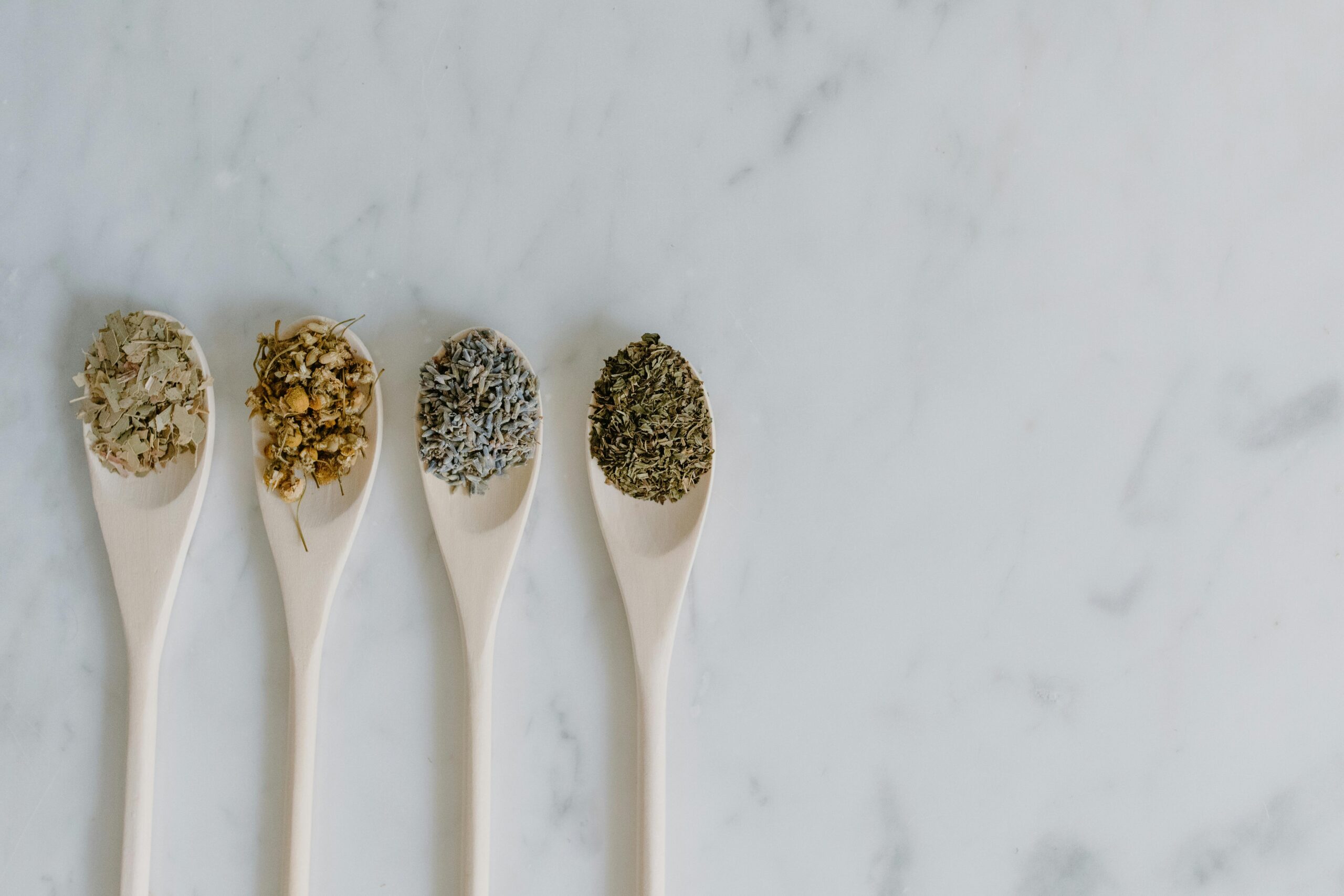
Cold-process methodology shines when incorporating temperature-sensitive botanicals. Chamomile extract soothes inflammation, green tea provides antioxidant protection, and aloe vera delivers hydration—all without heat degradation. These ingredients maintain their polyphenol, flavonoid, and enzyme content, translating to superior skincare benefits.
Hydrosols and floral waters add aromatic and therapeutic dimensions to cold-process cleansers. Rose water balances pH and provides gentle astringency, while lavender hydrosol calms reactive skin. These aqueous ingredients integrate seamlessly into cold-process formulations without requiring stabilization through heating.
Oils and Butter Integration
Incorporating oils requires understanding their saponification values and fatty acid profiles. Light oils like jojoba and grapeseed provide cleansing without heaviness, while richer options like shea butter and cocoa butter contribute moisturizing properties. In cold-process formulations, these ingredients can be added directly without pre-heating, preserving their unsaponifiable fractions and vitamin content.
⚗️ Step-by-Step Formulation Principles
Mastering cold-process cleanser formulation requires methodical attention to process details. Each step builds upon the previous, creating a stable, effective product that delivers consistent performance.
Phase Preparation and Ingredient Organization
Begin by organizing ingredients into compatible phases. The aqueous phase typically contains water, hydrosols, and water-soluble extracts. The surfactant phase comprises your chosen cleansing agents. The oil phase, if present, includes lipids and oil-soluble actives. Room temperature organization prevents premature reactions and ensures smooth processing.
Weight measurement accuracy becomes critical in cold-process formulation. Digital scales capable of measuring to 0.01 grams ensure reproducible results. Document all weights meticulously—successful formulation relies on precise ratios that can be replicated and scaled.
Mixing Methodology for Optimal Results
Proper mixing technique determines formula stability and performance. Begin by combining surfactants gently to avoid excessive air incorporation, which can lead to foam stability issues. Gradually add the aqueous phase while maintaining steady, moderate stirring. Overmixing generates unwanted bubbles, while undermixing results in separation.
For formulations containing oils, employ the appropriate emulsification strategy. Some cold-process cleansers use natural emulsifiers that function at room temperature, creating stable oil-in-water or water-in-oil systems. Others rely on surfactant emulsification, where high surfactant concentrations naturally solubilize oil phases.
pH Adjustment and Preservation
pH optimization ensures both product safety and skin compatibility. Most cold-process cleansers perform best between pH 5.0 and 6.5, mirroring the skin’s natural acid mantle. Use pH strips or meters to measure accurately, then adjust using citric acid solution (to lower pH) or sodium hydroxide solution (to raise pH) in small increments.
Preservation presents unique challenges in cold-process formulations. Without heat-based pasteurization, antimicrobial systems must be robust. Broad-spectrum preservatives like phenoxyethanol combined with ethylhexylglycerin, or natural alternatives like leuconostoc/radish root ferment, protect against bacterial and fungal contamination. Always conduct proper preservation efficacy testing.
💡 Advanced Formulation Techniques for Enhanced Performance
Once basic formulation principles become second nature, advanced techniques unlock new possibilities for creating distinctive, high-performance cold-process cleansers.
Layering Technologies for Multi-Benefit Delivery
Sophisticated cold-process cleansers employ layering strategies to deliver multiple benefits sequentially. A cleansing layer removes impurities, a treatment layer delivers actives, and a conditioning layer restores balance. This approach maximizes ingredient efficacy while maintaining sensory elegance.
Encapsulation technologies allow incorporation of incompatible ingredients within a single formula. Liposomal delivery systems protect sensitive actives like vitamin C or retinol until application, when mechanical action releases them. These technologies integrate seamlessly into cold-process methods without thermal stress.
Texture Modification for Superior Sensory Experience
Texture profoundly influences user perception and product performance. Thickeners and rheology modifiers create desired viscosities without heating. Natural options like xanthan gum, guar gum, and hydroxyethylcellulose provide varying textures from light gels to rich creams.
Innovative formulators experiment with suspended particles, creating visual interest and functional benefits. Jojoba beads provide gentle exfoliation, while suspended botanical particles deliver burst-release actives. Achieving stable suspension in cold-process systems requires careful rheology design and appropriate suspending agents.
🎯 Troubleshooting Common Cold-Process Formulation Challenges
Even experienced formulators encounter obstacles. Understanding common challenges and their solutions accelerates mastery of cold-process cleanser creation.
Stability Issues and Separation
Phase separation typically indicates incompatible ingredients or inadequate emulsification. Review your surfactant selection—ensure sufficient concentration and appropriate hydrophilic-lipophilic balance (HLB) values. Adding co-emulsifiers or adjusting the order of addition often resolves separation issues.
Temperature fluctuations during storage can destabilize cold-process formulations. Incorporate stabilizers like cetearyl alcohol or glyceryl stearate that create lamellar structures, improving stability across temperature ranges. Conduct freeze-thaw and heat cycling tests to validate formula robustness.
Foam Quality Optimization
Inadequate foam generation or poor foam stability frustrates users despite effective cleansing. Boost foam quality by incorporating foam-enhancing surfactants like cocamidopropyl betaine or coco-glucoside. Glycerin at 2-5% concentration improves foam creaminess and stability. Avoid excessive oil content, which suppresses foam formation.
Cloudiness and Clarity Concerns
While some formulations intentionally feature opalescence, unwanted cloudiness suggests solubility issues. Ensure all ingredients fully dissolve in their respective phases. Solubilizers like polysorbate 20 or caprylyl/capryl glucoside help incorporate essential oils and lipophilic extracts into aqueous systems, maintaining clarity.
🌍 Sustainability and Clean Beauty Considerations
Cold-process formulation naturally aligns with sustainability principles, but conscious choices amplify environmental and ethical benefits.
Ingredient Sourcing and Transparency
Select ingredients from suppliers committed to sustainable harvesting, fair trade practices, and transparent supply chains. Certified organic botanicals, palm-oil-free surfactants, and locally sourced ingredients minimize environmental impact. Document ingredient origins to provide customers with complete transparency.
Packaging and Product Lifecycle
Extend sustainability beyond formulation to packaging choices. Recyclable glass bottles, post-consumer recycled plastic, and concentrated formulas reducing water content all contribute to environmental responsibility. Consider refill programs and minimalist packaging designs that reduce waste without compromising product protection.
📊 Quality Control and Testing Protocols
Professional-grade cold-process cleansers require rigorous quality control measures ensuring safety, efficacy, and consistency.
Microbiological Testing Requirements
Conduct challenge testing to verify preservation adequacy. This involves intentionally contaminating samples with specific microorganisms and monitoring their survival over time. Products passing challenge tests demonstrate robust antimicrobial protection suitable for consumer use.
Regular batch testing for total aerobic microbial count, yeast, mold, and specific pathogens ensures ongoing product safety. Establish acceptable limits based on industry standards and regulatory requirements in target markets.
Stability and Performance Evaluation
Accelerated stability testing predicts long-term performance. Store samples at elevated temperatures (typically 40°C/104°F) and monitor pH, viscosity, appearance, and odor over 12 weeks. Changes in accelerated conditions suggest potential issues during normal shelf life.
Real-time stability testing at ambient conditions validates formulations over their intended shelf life. Combined with accelerated studies, this comprehensive approach ensures product quality from manufacturing through final use.
✨ Personalizing Formulations for Different Skin Types
Customization elevates cold-process cleansers from generic to exceptional, addressing specific skin concerns and preferences.
Oily and Acne-Prone Skin Adaptations
For oily complexions, increase cleansing efficiency without over-stripping. Incorporate salicylic acid at appropriate concentrations (0.5-2%) for gentle exfoliation. Tea tree oil and niacinamide provide sebum regulation and anti-inflammatory benefits. Lighter textures like gels or foaming formulas appeal to this demographic.
Dry and Sensitive Skin Modifications
Sensitive skin requires minimal, gentle ingredients. Focus on mild surfactants like sodium cocoyl isethionate and reduce overall surfactant concentration. Add ceramides, hyaluronic acid, and colloidal oatmeal for barrier support. Cream-based textures provide comforting sensory experiences while cleansing effectively.
Mature and Aging Skin Enhancements
Address mature skin needs through antioxidant-rich botanicals like pomegranate, resveratrol, and vitamin E. Peptides and growth factors can be incorporated using cold-process methods, maintaining their biological activity. Richer textures and deeply moisturizing ingredients compensate for reduced sebum production.
The Future of Cold-Process Cleanser Innovation
The cold-process formulation landscape continues evolving as new technologies and ingredients emerge. Biotechnology-derived surfactants offer enhanced mildness and sustainability. Probiotic and prebiotic ingredients support skin microbiome health, representing a new frontier in cleanser formulation.
Waterless and concentrated cleansers address environmental concerns while reducing shipping impacts. These innovative formats leverage cold-process principles, creating sustainable products without compromising performance. Powder-to-foam and solid cleansing bars exemplify this trend.
Personalization technology enables custom formulations tailored to individual skin profiles. Digital skin analysis combined with flexible cold-process manufacturing allows for made-to-order cleansers addressing unique concerns. This intersection of technology and artisanal formulation represents the exciting future of skincare.
🔬 Bringing Your Cold-Process Cleanser Vision to Life
Mastering cold-process cleanser formulation requires patience, experimentation, and continuous learning. Start with simple formulas, understanding how each ingredient contributes to overall performance. Document every formulation trial meticulously—both successes and failures provide valuable insights.
Connect with the formulation community through professional organizations, online forums, and workshops. Experienced formulators generously share knowledge, helping newcomers avoid common pitfalls. Industry conferences showcase cutting-edge ingredients and technologies that inspire innovation.
Invest in quality ingredients and equipment appropriate to your production scale. While cold-process methods require minimal specialized equipment compared to hot-process manufacturing, precision tools, proper mixing apparatus, and accurate pH measurement devices remain essential for consistent results.
Regulatory compliance cannot be overlooked. Understand requirements in your target markets regarding ingredient restrictions, labeling, safety assessments, and good manufacturing practices. Working with regulatory consultants ensures your innovative formulations meet all legal requirements.
The journey toward cold-process formulation mastery offers immense creative satisfaction and professional opportunity. Each cleanser represents a unique expression of ingredient synergy, scientific understanding, and artisanal craft. Whether formulating for personal use, small-batch artisanal production, or commercial-scale manufacturing, cold-process principles enable creation of cleansers that truly benefit both skin and planet.
As consumer awareness of ingredient quality and manufacturing ethics grows, cold-process cleansers stand positioned to lead the skincare industry forward. These formulations embody the intersection of efficacy, sustainability, and wellness—values increasingly central to modern beauty consumers. By mastering these principles, formulators contribute to a more conscious, effective, and enjoyable skincare landscape that respects both human health and environmental stewardship.