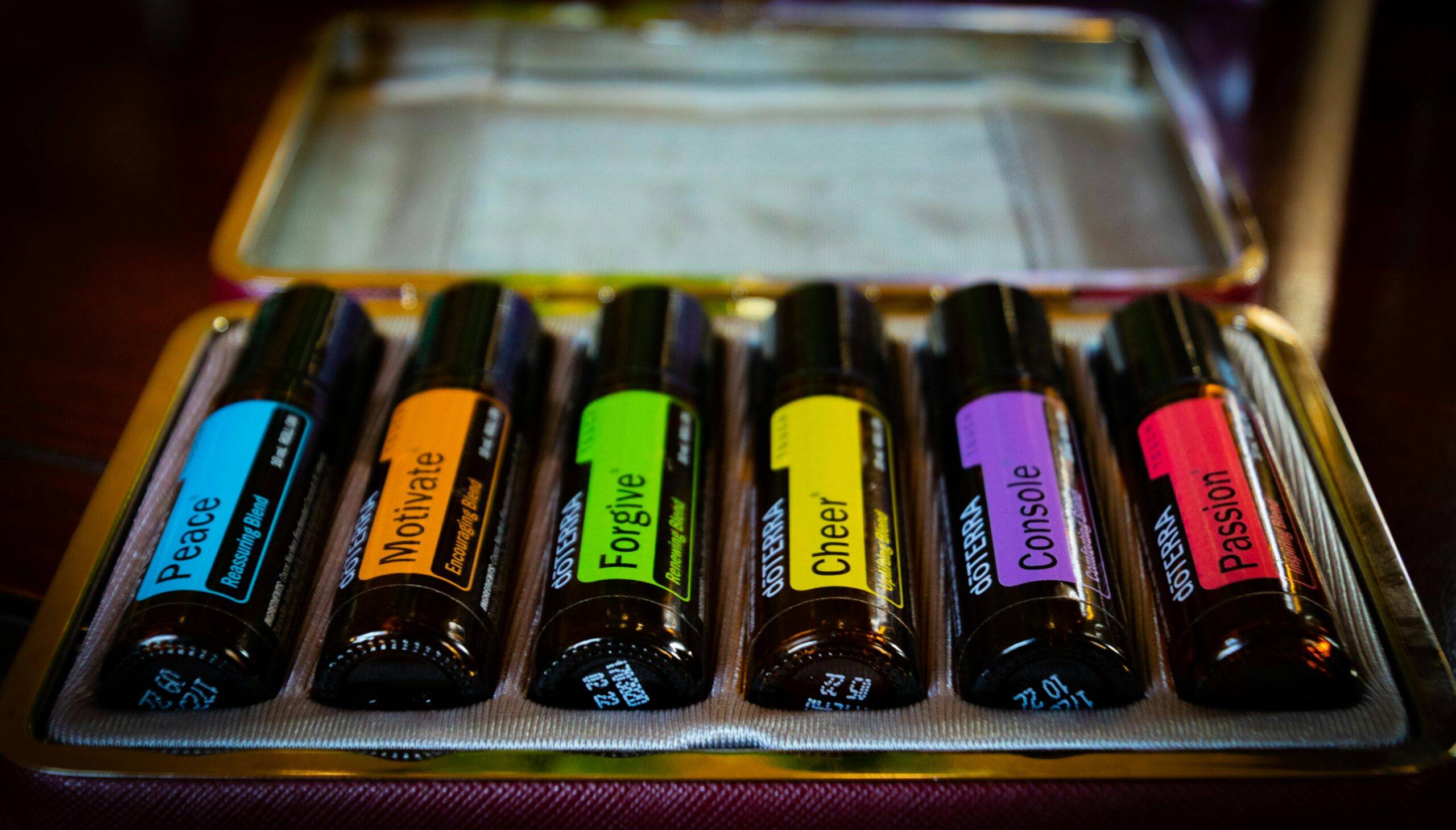
Cold-process natural cosmetics have revolutionized skincare, yet misconceptions continue to cloud consumer understanding of these powerful, skin-nourishing products.

🌿 The Cold-Process Revolution in Natural Skincare
The beauty industry has witnessed a remarkable shift toward natural, handcrafted cosmetics in recent years. Among these, cold-process products have emerged as champions of skin health, yet they remain shrouded in myths and misunderstandings. Cold-process cosmetics, particularly soaps and skincare formulations, are created without external heat, preserving the integrity of natural ingredients and their beneficial properties.
Unlike mass-produced commercial products that rely on synthetic ingredients and high-temperature manufacturing, cold-process methods honor the natural chemistry of plant-based oils, butters, and botanicals. This gentle approach maintains vitamins, antioxidants, and essential fatty acids that would otherwise be destroyed by heat exposure.
Understanding the truth behind cold-process natural cosmetics empowers consumers to make informed decisions about what they apply to their largest organ—their skin. Let’s explore and debunk the most prevalent myths surrounding these remarkable skincare solutions.
Myth #1: Cold-Process Products Don’t Last Long
One of the most persistent misconceptions is that cold-process natural cosmetics have an extremely short shelf life. While it’s true that products without synthetic preservatives won’t last indefinitely like their chemical-laden counterparts, properly formulated cold-process cosmetics can remain effective for 12-18 months when stored correctly.
The key lies in understanding natural preservation methods. Many cold-process formulators use vitamin E, rosemary oleoresin extract, and other natural antioxidants that prevent rancidity and extend product viability. Additionally, the saponification process in cold-process soap creates an alkaline environment naturally inhospitable to bacterial growth.
Proper storage practices significantly impact longevity. Keeping products away from direct sunlight, excessive heat, and moisture ensures maximum shelf life. Many users find that cold-process products actually outlast their conventional counterparts when these simple guidelines are followed.
Smart Storage Tips for Maximum Freshness ✨
- Store products in cool, dry locations away from bathroom humidity
- Use clean, dry hands or spatulas when handling creams and balms
- Keep containers tightly sealed when not in use
- Refrigerate products during hot summer months for extended freshness
- Purchase from reputable makers who date their products clearly
Myth #2: Natural Doesn’t Mean Effective
Perhaps the most damaging myth suggests that cold-process natural cosmetics are simply trendy placebos lacking real efficacy. This couldn’t be further from the truth. Scientific research consistently demonstrates that plant-based ingredients deliver powerful skincare benefits without the side effects associated with synthetic chemicals.
Cold-pressed plant oils contain essential fatty acids, vitamins A, C, and E, and phytonutrients that actively repair skin barriers, reduce inflammation, and promote cellular regeneration. Shea butter, for instance, contains natural sun protection properties and promotes collagen production. Coconut oil possesses antimicrobial properties that combat acne-causing bacteria.
The cold-process method preserves these bioactive compounds in their most potent forms. Heat processing can denature proteins, destroy vitamins, and alter molecular structures, reducing effectiveness. By maintaining temperatures below 120°F during production, cold-process manufacturers ensure maximum nutrient retention.
Clinical studies have shown that natural ingredients like jojoba oil, aloe vera, and calendula extract perform comparably or superior to synthetic alternatives for hydration, anti-aging, and skin repair. The difference lies not in effectiveness but in the absence of harsh chemicals, artificial fragrances, and potential irritants.
Myth #3: Cold-Process Soap Doesn’t Clean Properly 🧼
Some skeptics believe that cold-process natural soap lacks the cleansing power of commercial detergent bars. This myth stems from misunderstanding how true soap actually works. Cold-process soap creates genuine soap through saponification—a chemical reaction between oils and lye that produces cleansing molecules and natural glycerin.
Commercial “soap” bars are often synthetic detergents with foaming agents and harsh sulfates that strip skin of its natural protective oils. While they create abundant lather, they can damage the skin barrier and cause dryness, irritation, and sensitivity over time.
Cold-process soap cleans effectively by lifting dirt, oil, and impurities while maintaining skin pH balance and preserving natural moisture. The glycerin naturally produced during saponification acts as a humectant, drawing moisture to the skin rather than stripping it away.
Understanding the Science of Cleansing
True cold-process soap molecules have a hydrophilic (water-loving) head and lipophilic (oil-loving) tail. This structure allows soap to bind with both water and oil, effectively removing impurities without harsh chemicals. The gentle cleansing action respects skin’s natural microbiome, supporting long-term skin health rather than disrupting it.
Myth #4: All Natural Products Are Safe for Everyone
While cold-process natural cosmetics are generally gentler than synthetic alternatives, the assumption that “natural equals universally safe” is misleading. Natural ingredients can still cause allergic reactions or sensitivities in certain individuals. Essential oils, tree nut oils, and botanical extracts may trigger responses in people with specific allergies.
Responsible cold-process makers conduct patch testing and clearly label all ingredients, allowing consumers to make informed choices based on their individual sensitivities. The transparency inherent in small-batch natural cosmetics production actually makes these products safer for most users because they know exactly what they’re applying to their skin.
The key difference is that reactions to natural ingredients tend to be less severe and more easily identified than reactions to the complex synthetic compounds found in conventional cosmetics. Natural ingredients have been used for centuries, giving us extensive knowledge about potential sensitivities and contraindications.
Myth #5: Cold-Process Products Are Too Expensive 💰
Price comparison between cold-process natural cosmetics and commercial products often reveals surprising value. While the upfront cost may appear higher, several factors make natural products more economical in the long run.
First, cold-process products typically last longer because they’re more concentrated and require smaller amounts per application. A single bar of cold-process soap can outlast three or four commercial bars while providing superior skin benefits.
Second, the multi-functional nature of natural ingredients means one product can replace several conventional items. A high-quality plant-based oil can serve as moisturizer, makeup remover, and hair treatment, eliminating the need for multiple specialized products.
Third, investing in skin health through quality products reduces long-term costs associated with treating skin damage, irritation, and premature aging caused by harsh chemical ingredients. Prevention through proper care is always more affordable than correction.
Cost-Benefit Analysis
| Factor | Cold-Process Natural | Commercial Synthetic |
|---|---|---|
| Product Longevity | 2-3 months per bar/jar | 3-4 weeks per bottle/bar |
| Ingredients Quality | Premium, organic, nutrient-rich | Synthetic fillers, minimal actives |
| Multi-functionality | One product, multiple uses | Specialized single-use products |
| Long-term Skin Health | Improves over time | May cause damage requiring treatment |
Myth #6: The Lye in Cold-Process Soap Is Dangerous
Many consumers fear cold-process soap because it requires lye (sodium hydroxide) in production. This concern reveals a fundamental misunderstanding of the saponification process. While lye is indeed caustic in its raw form, properly made cold-process soap contains no lye in the finished product.
During saponification, lye molecules completely react with oil molecules, transforming into soap and glycerin. When formulated correctly with appropriate cure times, no free lye remains. Reputable soap makers test pH levels to ensure complete saponification before selling products.
Without lye, true soap cannot exist. The alternatives—synthetic detergents—are actually harsher on skin despite not requiring lye in production. The irony is that fearing lye leads consumers toward products with genuinely problematic chemical ingredients.
Myth #7: Natural Products Don’t Address Serious Skin Concerns 🌸
Some believe cold-process natural cosmetics are suitable only for maintenance, not for addressing specific skin issues like acne, eczema, rosacea, or hyperpigmentation. This misconception underestimates the therapeutic potential of botanical ingredients.
Tea tree oil possesses proven antimicrobial properties effective against acne-causing bacteria. Tamanu oil promotes healing and reduces inflammation in eczema and psoriasis. Rosehip oil contains natural retinoids that address hyperpigmentation and fine lines without the irritation of synthetic retinol.
Oatmeal, calendula, and chamomile soothe sensitive, reactive skin better than many pharmaceutical options. Activated charcoal and clay effectively draw out impurities and toxins. The wealth of therapeutic botanicals available to cold-process formulators rivals or exceeds the problem-solving capacity of synthetic alternatives.
The difference lies in approach. Natural cosmetics work with skin’s natural processes rather than forcing immediate but potentially damaging results. This may require patience initially, but delivers sustainable, lasting improvements without side effects.
Myth #8: You Can’t Trust Small-Batch Producers
Some consumers feel safer purchasing from large corporations, assuming small-batch cold-process makers lack quality control and safety standards. In reality, artisan producers often maintain higher standards than mass manufacturers precisely because their reputation depends on product excellence.
Small-batch production allows for meticulous attention to detail, ingredient sourcing, and quality testing impossible in large-scale operations. Many cold-process makers are certified in cosmetic formulation, follow Good Manufacturing Practices, and maintain comprehensive insurance.
The traceability of ingredients in small-batch production exceeds that of commercial products. Artisan makers typically know their ingredient suppliers personally, verify organic certifications, and can trace every component to its source. This transparency builds trust and ensures quality.
What to Look for in Quality Producers 🔍
- Clear, complete ingredient listings using INCI nomenclature
- Transparent production processes and sourcing information
- Proper labeling including batch numbers and production dates
- Responsive customer service and willingness to answer questions
- Positive reviews and established reputation in the community
- Appropriate certifications and business licensing
- Educational content demonstrating expertise
Myth #9: Cold-Process Products Don’t Work for Oily Skin
Many people with oily skin avoid natural oils and butters, believing they’ll exacerbate their condition. This myth causes them to use harsh, stripping products that actually worsen oiliness by triggering overcompensation from stressed sebaceous glands.
The truth is that certain plant oils are non-comedogenic and actually balance oil production. Jojoba oil closely mimics human sebum, signaling skin to reduce overproduction. Hazelnut oil is astringent and mattifying. Grapeseed oil is lightweight and won’t clog pores.
Cold-process formulations can be customized for oily skin types using these balancing ingredients along with clay and activated charcoal for gentle oil absorption. The result is balanced, healthy skin rather than the stripped, reactive condition caused by harsh synthetic products.
Myth #10: Natural Cosmetics Don’t Smell Good
Some assume that avoiding synthetic fragrances means accepting unpleasant or medicinal odors. Quality cold-process products disprove this myth through artful use of essential oils, natural botanical extracts, and careful ingredient selection.
Essential oils provide complex, sophisticated scents that evolve on the skin. Lavender offers calming floral notes, citrus oils provide fresh invigoration, and woodsy scents like cedarwood add earthy depth. Skilled formulators blend these natural fragrances into beautiful, aromatherapeutic experiences.
Moreover, the natural scent of quality carrier oils and butters is often pleasant—nutty, subtle, and skin-friendly. Many users discover they prefer these authentic scents to the artificial, often cloying fragrances in commercial products.
Making the Switch: What to Expect 💚
Transitioning from conventional to cold-process natural cosmetics requires an adjustment period. Skin accustomed to synthetic ingredients may initially react as it detoxifies and rebalances. This temporary purging is normal and typically resolves within two to four weeks.
During transition, skin learns to regulate its own moisture and oil production without synthetic interference. The payoff is healthier, more resilient skin that functions optimally rather than depending on artificial products to maintain basic health.
Start gradually, replacing one product at a time to identify what works best for your unique skin. Keep notes on how your skin responds to different ingredients and formulations. This mindful approach helps you become an expert on your own skin while discovering the power of natural cosmetics.

The Truth About Radiant, Healthy Skin ✨
Achieving truly radiant, healthy skin isn’t about expensive miracle ingredients or harsh chemical interventions. It’s about supporting skin’s natural functions with nourishing, compatible ingredients that work in harmony with your body’s biology.
Cold-process natural cosmetics offer this supportive approach. They cleanse without stripping, moisturize without clogging, and treat concerns without causing new problems. The cumulative effect of using products that nourish rather than damage is skin that glows with authentic health.
The myths surrounding cold-process natural cosmetics often stem from marketing by conventional beauty companies seeking to maintain market dominance. By understanding the science, appreciating the craft, and experiencing the results firsthand, consumers discover that natural doesn’t mean inferior—it means superior in the ways that truly matter for long-term skin health.
Your skin is incredibly intelligent and capable of maintaining itself when given proper support. Cold-process natural cosmetics provide exactly that support, working with your body’s wisdom rather than against it. The result is not just healthy skin but a more sustainable, conscious relationship with the products you use daily.
Debunking these myths opens the door to a world of effective, safe, and environmentally responsible skincare. Whether you’re addressing specific concerns or maintaining already healthy skin, cold-process natural cosmetics offer solutions that honor both your skin and the planet. The truth is clear: natural is not just an alternative—it’s the optimal choice for radiant, lasting skin health.