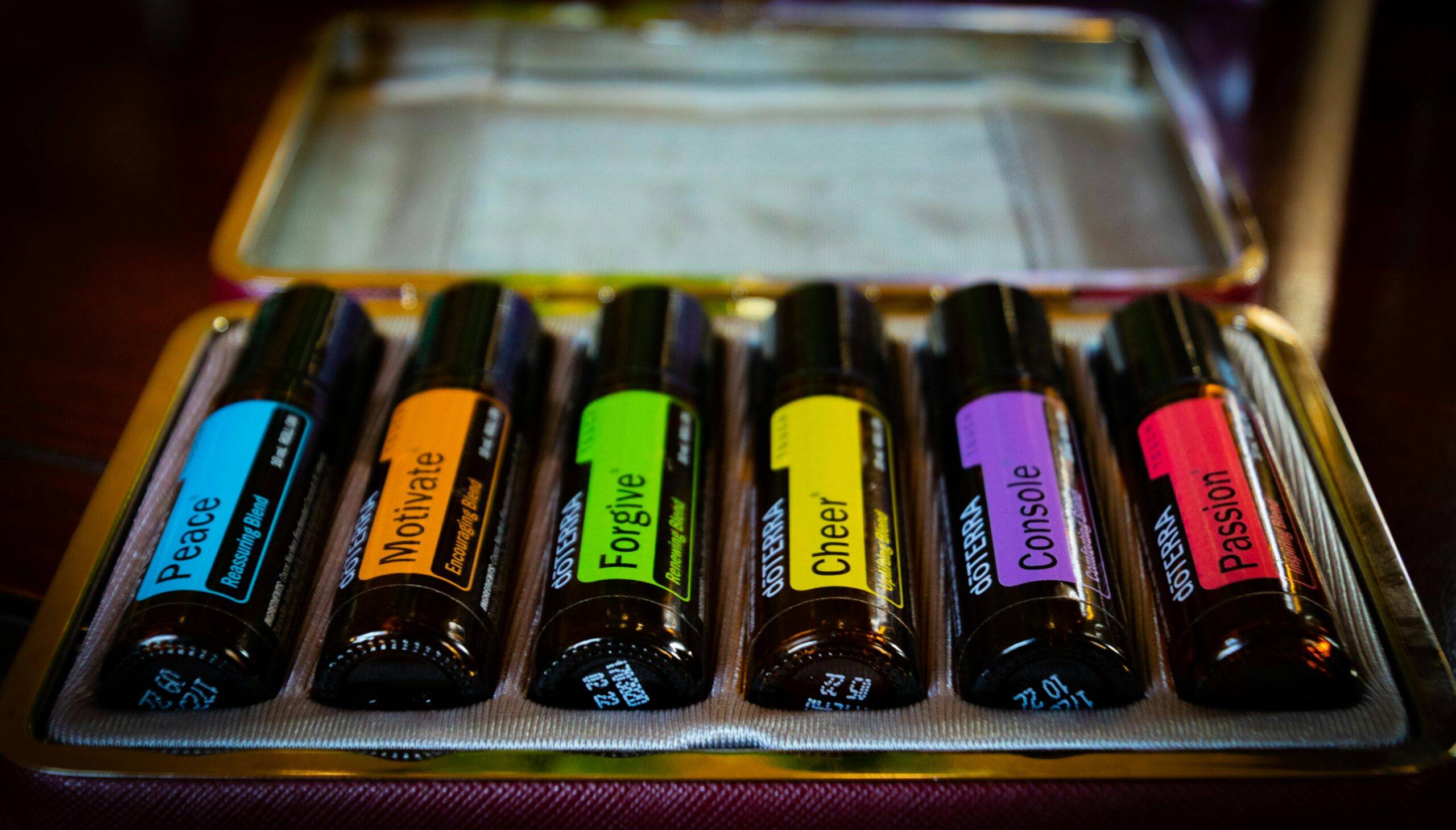
Clean beauty is revolutionizing skincare by prioritizing natural ingredients, eco-friendly practices, and allergen awareness to promote healthier skin and a more sustainable planet. 🌿

The beauty industry has undergone a remarkable transformation in recent years, with consumers becoming increasingly conscious about what they apply to their skin. This shift has given birth to the clean beauty movement, which emphasizes transparency, sustainability, and safety. However, navigating the world of eco-cosmetics while being mindful of potential allergens can feel overwhelming. Understanding how to balance these priorities is essential for achieving radiant skin without compromising your health or the environment.
Understanding the Clean Beauty Movement 💚
Clean beauty represents more than just a trend—it’s a fundamental shift in how we approach personal care. This philosophy centers on using products formulated without potentially harmful ingredients, such as parabens, phthalates, sulfates, and synthetic fragrances. The movement emphasizes ingredient transparency, environmental responsibility, and ethical production practices.
What makes clean beauty particularly compelling is its holistic approach. It considers not only the safety of individual ingredients but also their environmental impact throughout the entire product lifecycle. From sourcing raw materials to packaging and disposal, clean beauty brands strive to minimize their ecological footprint while maximizing benefits for your skin.
The rise of clean beauty has empowered consumers to make informed choices about their skincare routines. With better access to ingredient information and scientific research, people can now select products that align with their values and address their specific skin concerns without exposing themselves to questionable chemicals.
The Hidden Challenge: Allergens in Natural Products
While clean beauty emphasizes natural ingredients, it’s crucial to understand that “natural” doesn’t automatically mean “hypoallergenic.” In fact, many botanical extracts and essential oils can trigger allergic reactions in sensitive individuals. This paradox presents a significant challenge for those seeking both clean and safe beauty solutions.
Common natural allergens found in eco-cosmetics include essential oils like lavender, tea tree, and citrus extracts. Other potential irritants include natural preservatives like propolis, certain plant proteins, and even some vitamins in concentrated forms. Understanding your personal sensitivities is key to successfully navigating the clean beauty landscape.
Most Common Natural Allergens to Watch For
- Essential oils: Particularly citrus oils, lavender, peppermint, and eucalyptus
- Botanical extracts: Chamomile, calendula, and arnica can cause reactions in some people
- Natural fragrances: Even those derived from plants can trigger sensitivities
- Nut-based ingredients: Almond oil, coconut derivatives, and shea butter may affect those with nut allergies
- Preservatives: Natural options like honey, propolis, and certain fermented ingredients
- Alpha hydroxy acids: Derived from fruits and milk, these can irritate sensitive skin
Decoding Labels: Your Roadmap to Safer Choices 🔍
Reading product labels effectively is an essential skill for anyone interested in clean beauty. However, cosmetic labeling can be confusing, with ingredients listed using technical names that don’t immediately reveal their origins or potential allergenicity. Learning to decode these labels empowers you to make choices that support both your health and environmental values.
Ingredients are typically listed in descending order by concentration, with water or aloe often appearing first. Pay special attention to the first five to seven ingredients, as these comprise the bulk of the formula. Be aware that terms like “fragrance” or “parfum” can hide dozens of unlisted chemicals, even in products marketed as natural.
Key Certifications and What They Mean
Certifications provide valuable shortcuts when evaluating clean beauty products. Organizations like ECOCERT, COSMOS, USDA Organic, and Leaping Bunny offer third-party verification that products meet specific standards for ingredient safety, organic content, and ethical practices. However, certification isn’t everything—some excellent clean brands choose not to pursue certification due to cost considerations.
Understanding certification standards helps you align purchases with your priorities. For instance, COSMOS Organic certification requires at least 95% organic agricultural ingredients, while ECOCERT focuses on sustainable practices and biodegradability. Cruelty-free certifications ensure no animal testing occurred during development or production.
Building Your Allergen-Aware Routine ✨
Creating a clean beauty routine that respects your skin’s sensitivities requires patience and systematic testing. Start by identifying any known allergies or sensitivities you have, whether to specific plants, proteins, or chemical families. This foundation helps you eliminate obvious triggers before exploring new products.
Introduce new products gradually, ideally one at a time with at least a week between additions. This approach allows you to identify which product causes a reaction if one occurs. Conduct patch tests on your inner forearm before applying products to your face, waiting 24-48 hours to observe any adverse reactions.
The Minimal Routine Approach
Simplicity often serves sensitive skin best. A minimal routine typically includes a gentle cleanser, a hydrating serum or moisturizer, and sun protection during the day. This streamlined approach reduces your exposure to potential allergens while still providing essential skin care benefits.
As your skin stabilizes and you identify safe ingredients, you can gradually expand your routine to address specific concerns like aging, hyperpigmentation, or acne. Remember that more products don’t necessarily mean better results—quality and compatibility matter more than quantity.
Ingredient Spotlight: Safe and Effective Alternatives 🌱
Fortunately, the clean beauty market offers numerous gentle yet effective ingredients suitable for sensitive skin. These alternatives provide benefits without common allergen triggers, making them excellent choices for allergen-aware consumers.
Hyaluronic acid, a humectant naturally found in our skin, provides intense hydration without irritation. Squalane, derived from olives or sugarcane, mimics our skin’s natural oils to moisturize without clogging pores. Niacinamide (vitamin B3) addresses multiple concerns including inflammation, hyperpigmentation, and barrier function while being well-tolerated by most skin types.
Gentle Ingredients for Sensitive Skin
- Ceramides: Support skin barrier function and retain moisture
- Centella Asiatica: Calming botanical with anti-inflammatory properties
- Bisabolol: Chamomile-derived compound without the allergenic proteins
- Allantoin: Soothing ingredient that promotes healing
- Oat extract: Anti-inflammatory and barrier-supporting properties
- Peptides: Support collagen production without irritation
The Sustainability Connection 🌍
Allergen awareness in clean beauty intersects beautifully with sustainability concerns. Products formulated with fewer, simpler ingredients typically require less processing, generate less waste, and have smaller environmental footprints. This alignment allows you to protect both your skin and the planet simultaneously.
Consider packaging choices as part of your allergen-aware clean beauty journey. Glass containers, recyclable materials, and refillable options reduce environmental impact while often indicating a brand’s commitment to overall quality and transparency. Companies that prioritize sustainable packaging frequently demonstrate similar care in ingredient selection and formulation.
Supporting brands with transparent supply chains ensures that eco-friendly claims extend beyond marketing. Look for companies that source ingredients sustainably, pay fair wages, and invest in environmental conservation. These practices often correlate with higher quality control standards, reducing contamination risks that could trigger allergic reactions.
Personalization: Finding Your Perfect Match 💆♀️
Everyone’s skin is unique, with individual sensitivities, concerns, and needs. What works wonderfully for one person might cause reactions in another, making personalization crucial in allergen-aware clean beauty. Understanding your specific skin type, sensitivities, and goals guides you toward products that will truly benefit you.
Consider keeping a beauty diary to track products you try, ingredients they contain, and how your skin responds. This record becomes invaluable over time, revealing patterns and helping you identify both beneficial ingredients and problematic ones. Note environmental factors like weather, stress, and hormonal changes that might influence your skin’s behavior.
When to Seek Professional Guidance
While self-education is valuable, certain situations warrant professional consultation. If you experience persistent reactions despite careful product selection, consider seeing a dermatologist or allergist for patch testing. These professionals can identify specific allergens and help you develop a personalized skincare strategy.
Estheticians trained in clean beauty and sensitive skin can also provide valuable guidance. They can recommend appropriate products, perform professional treatments suited to your skin’s needs, and help you interpret ingredient lists effectively. This expertise can save time, money, and frustration in your clean beauty journey.
The Economic Reality of Clean Beauty 💰
Clean beauty products often carry higher price tags than conventional alternatives, reflecting costs associated with quality ingredients, ethical sourcing, and sustainable practices. However, allergen-aware shopping doesn’t necessarily require a premium budget. Strategic choices can make clean beauty accessible regardless of financial constraints.
Focus investment on products that remain on your skin longest—serums, moisturizers, and treatments. These justify higher prices since they deliver active ingredients directly to your skin. Cleansers and masks, which are rinsed away, can be more affordable options without sacrificing quality or safety.
Multi-purpose products offer excellent value in clean beauty. A high-quality facial oil might replace separate serum and moisturizer products, while a tinted sunscreen can eliminate the need for foundation. This streamlined approach reduces overall costs while minimizing allergen exposure through fewer product applications.
DIY Clean Beauty: Proceed with Caution ⚗️
The internet abounds with recipes for homemade beauty products, promising natural, affordable alternatives to commercial offerings. While DIY beauty can be rewarding, it requires careful consideration, especially for allergen-aware individuals. Homemade products lack preservatives, making contamination risks higher, and concentration control is challenging without laboratory equipment.
If you choose to experiment with DIY beauty, start with simple recipes using few ingredients. Always research proper preservation methods, use clean equipment, and store products appropriately. Avoid recipes containing ingredients you’ve never used before, and never use homemade products around eyes or on broken skin.
Community and Resources: You’re Not Alone 🤝
The clean beauty community offers tremendous support for those navigating allergen awareness. Online forums, social media groups, and dedicated websites provide spaces to share experiences, ask questions, and learn from others facing similar challenges. These communities often prove more helpful than marketing materials in identifying truly gentle, effective products.
Many clean beauty brands maintain active social media presences where they answer ingredient questions and provide transparency about their formulations. Don’t hesitate to reach out directly to companies with concerns about specific ingredients or allergens. Responsive, informative communication often indicates a brand’s genuine commitment to customer health and satisfaction.

Your Journey to Healthier, Happier Skin 🌟
Embracing allergen-aware clean beauty represents an investment in your long-term health and happiness. While the initial learning curve may seem steep, the rewards—healthier skin, reduced environmental impact, and alignment with your values—make the effort worthwhile. Remember that this journey is personal and progressive, not a destination to reach overnight.
Start where you are, with whatever knowledge and resources you currently possess. Each small step toward cleaner, more allergen-conscious beauty choices contributes to better outcomes over time. Celebrate successes, learn from reactions or setbacks, and remain patient with yourself as you develop expertise in what works for your unique skin.
The clean beauty movement continues evolving, with new research, ingredients, and products emerging regularly. Stay curious, remain informed, and trust your skin’s responses above marketing claims. Your commitment to allergen awareness within clean beauty creates positive ripples extending far beyond your bathroom cabinet—supporting ethical companies, reducing environmental impact, and inspiring others to prioritize health and sustainability in their beauty routines.
By combining allergen awareness with clean beauty principles, you’re not just caring for your skin—you’re participating in a broader movement toward transparency, safety, and environmental responsibility. This holistic approach ensures that beauty truly becomes a source of health and happiness rather than compromise or concern. Your mindful choices today create the foundation for radiant, resilient skin tomorrow and contribute to a healthier planet for generations to come.