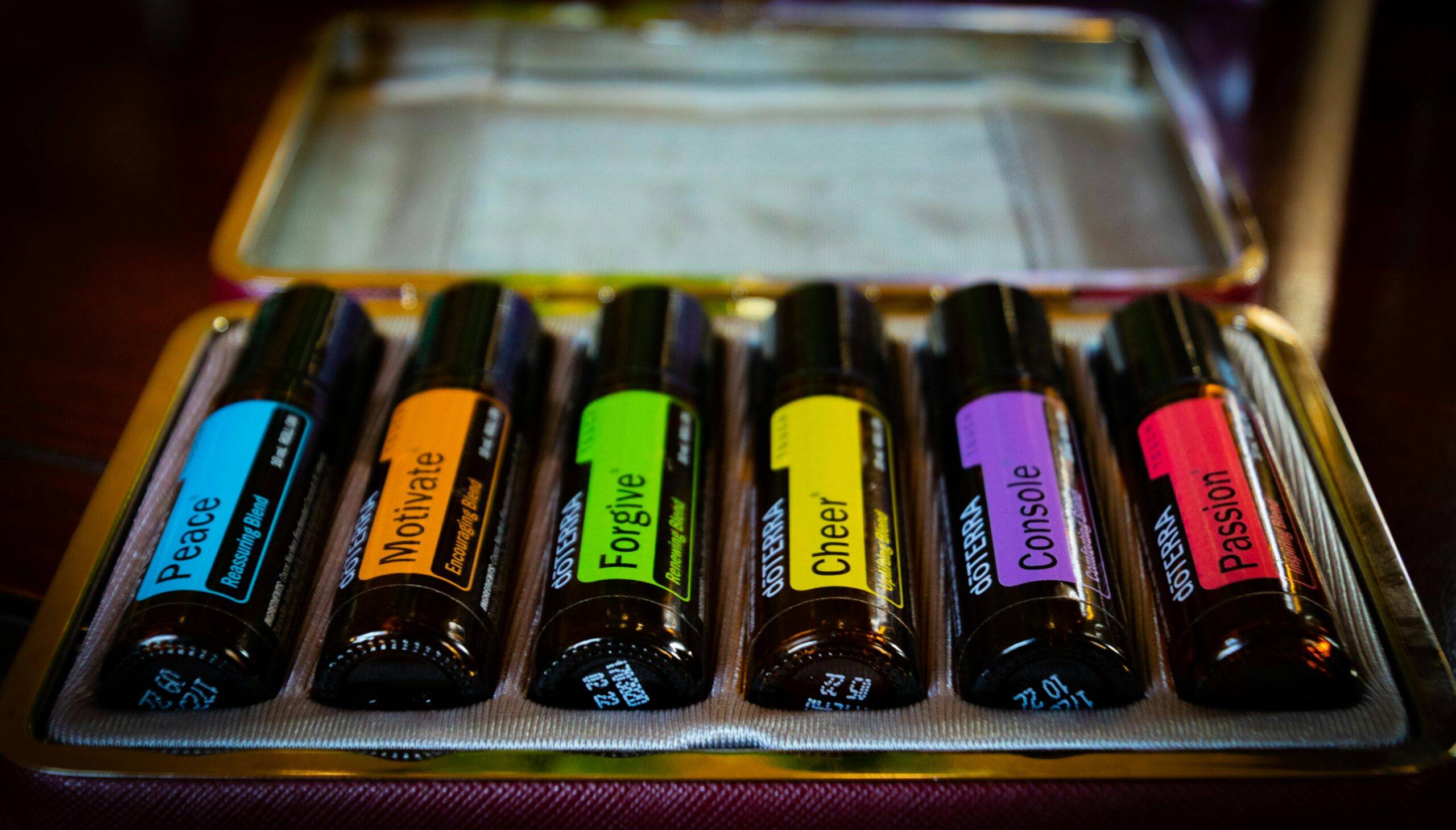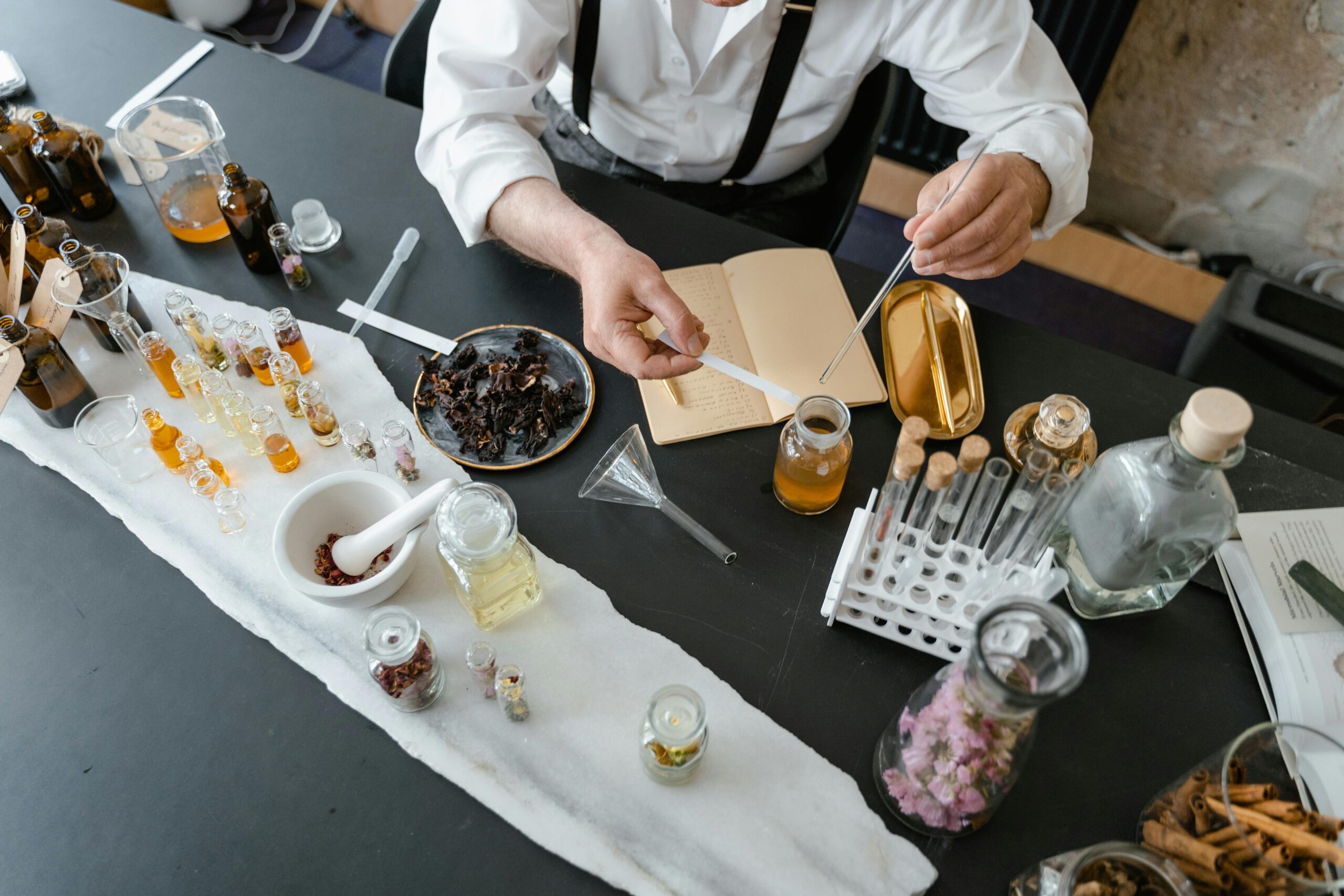
Cold-process eco-cosmetics represent a revolution in sustainable beauty, merging traditional craftsmanship with environmental consciousness to create products that nurture both skin and planet.

🌿 The Renaissance of Traditional Beauty Methods
In an era dominated by mass production and chemical formulations, cold-process cosmetics have emerged as a beacon of hope for conscious consumers. This artisanal method, which dates back centuries, has been rediscovered and refined by modern eco-cosmetic manufacturers who understand that beauty should never come at the expense of our environment.
The cold-process technique involves mixing oils and butters with alkaline solutions at low temperatures, typically below 50°C (122°F). This gentle approach preserves the integrity of natural ingredients, maintaining their therapeutic properties and nutritional benefits. Unlike hot-process methods that can degrade sensitive compounds, cold processing ensures that vitamins, antioxidants, and essential fatty acids remain intact and bioavailable for your skin.
Understanding the Cold-Process Methodology
The magic of cold-process cosmetics lies in the saponification process—a chemical reaction that transforms liquid oils into solid, stable products without requiring external heat. When oils meet lye in precise proportions, they undergo a natural transformation that creates glycerin as a byproduct, a humectant that draws moisture to the skin.
This method requires patience, skill, and deep knowledge of ingredient chemistry. Artisans must calculate exact ratios, considering the saponification value of each oil and butter used. The mixture is then poured into molds and left to cure for four to six weeks, during which the pH levels normalize and the product develops its final texture and properties.
Key Advantages of Cold-Process Production
Cold-process manufacturing offers numerous benefits that extend far beyond the final product. Energy consumption is dramatically reduced since no external heating is required beyond the initial mixing phase. This translates to a smaller carbon footprint and lower production costs, making sustainable beauty more accessible.
The retention of natural glycerin—often removed in commercial soap production and sold separately—makes cold-process products exceptionally moisturizing. This naturally occurring compound works synergistically with the oils and butters, creating a luxurious skincare experience that commercial products struggle to replicate.
🌍 Environmental Impact and Sustainability Credentials
The environmental benefits of cold-process eco-cosmetics extend throughout the entire production chain. From sourcing ingredients to packaging and disposal, every stage reflects a commitment to planetary wellbeing.
Traditional cosmetics manufacturing often involves petroleum-based ingredients, synthetic fragrances, and harsh preservatives that accumulate in waterways and soil. Cold-process eco-cosmetics, by contrast, utilize biodegradable ingredients that break down naturally without harming ecosystems. When you wash with cold-process soap, you’re not contributing to microplastic pollution or chemical contamination.
Ingredient Sourcing and Fair Trade Practices
Responsible eco-cosmetic companies prioritize organic, fair-trade ingredients sourced from sustainable farms and cooperatives. Olive oil from Mediterranean groves, shea butter from West African women’s collectives, coconut oil from ethical plantations—each ingredient tells a story of environmental stewardship and social responsibility.
These partnerships ensure that farmers receive fair compensation while maintaining biodiversity and traditional agricultural practices. By supporting cold-process eco-cosmetics, consumers become part of a global network that values people and planet over profit maximization.
Skin Health Benefits: Nature’s Pharmacy Unlocked
The true beauty of cold-process eco-cosmetics reveals itself in their exceptional skin benefits. Without harsh detergents or synthetic additives, these products work in harmony with your skin’s natural biology rather than disrupting it.
Natural oils like olive, coconut, and sunflower provide essential fatty acids that strengthen the skin barrier, preventing moisture loss and protecting against environmental stressors. Butters such as shea and cocoa deliver deep nourishment, improving elasticity and reducing the appearance of fine lines.
Addressing Specific Skin Concerns Naturally
Cold-process formulations can be customized to address various skin conditions without relying on pharmaceutical ingredients. For acne-prone skin, activated charcoal and tea tree oil provide antimicrobial benefits. Sensitive skin responds beautifully to calendula and chamomile infusions. Mature skin benefits from rosehip oil and vitamin E, which promote cellular regeneration.
The absence of synthetic fragrances, parabens, and sulfates makes these products ideal for individuals with chemical sensitivities or conditions like eczema and psoriasis. Many users report significant improvements in skin health after switching to cold-process eco-cosmetics, experiencing reduced inflammation, better hydration, and enhanced radiance.
💚 The Economic Case for Sustainable Beauty
While cold-process eco-cosmetics may carry a higher initial price point than mass-market alternatives, they represent exceptional value when considering quality, longevity, and health benefits. A handcrafted bar of cold-process soap typically lasts two to three times longer than commercial soap, making the per-use cost competitive.
Moreover, the multipurpose nature of many eco-cosmetic products reduces the need for separate items. A quality cold-process soap can function as facial cleanser, body wash, and shaving cream, simplifying your routine while decluttering your bathroom.
Supporting Local Economies and Artisan Communities
Choosing cold-process eco-cosmetics often means supporting small-batch producers, local artisans, and family-owned businesses. This economic model strengthens communities, preserves traditional knowledge, and creates meaningful employment opportunities in sustainable industries.
Unlike multinational corporations that extract profits from local markets, small eco-cosmetic producers reinvest in their communities, participate in local events, and maintain transparent relationships with customers. This connection between maker and consumer fosters accountability and ensures product quality.
Formulation Artistry: Crafting Beauty with Purpose
Creating cold-process eco-cosmetics is equal parts science and art. Skilled formulators must balance aesthetics, functionality, and sustainability while ensuring product stability and safety. Each recipe represents countless hours of testing, refinement, and dedication to excellence.
The selection of base oils determines the soap’s hardness, lather quality, and moisturizing properties. Olive oil creates a mild, conditioning bar with creamy lather. Coconut oil contributes cleansing power and fluffy bubbles. Castor oil enhances lather stability and draws moisture to the skin. Master artisans blend these oils in precise ratios to achieve desired characteristics.
Natural Colorants and Botanical Additions
Cold-process artisans eschew synthetic dyes in favor of natural colorants derived from clays, plant powders, and mineral pigments. French green clay imparts a soft green hue while offering detoxifying properties. Turmeric powder creates golden tones and provides anti-inflammatory benefits. Activated charcoal produces dramatic black coloration alongside deep-cleansing action.
Dried botanicals like lavender buds, rose petals, and calendula flowers add visual appeal and therapeutic value. These additions must be carefully selected to ensure they don’t create scratchy textures or deteriorate during the curing process. When done correctly, they transform functional products into sensory experiences.
🛁 From Bathroom to Biodiversity: The Full Lifecycle
The sustainability story of cold-process eco-cosmetics doesn’t end when the product leaves the manufacturing facility. Packaging choices, transportation methods, and end-of-life considerations all contribute to the overall environmental impact.
Progressive eco-cosmetic companies utilize minimal packaging, often opting for recycled paper, compostable materials, or reusable containers. Some operate zero-waste facilities where production scraps are composted or repurposed. Shipping materials are plastic-free, using biodegradable packing peanuts or recycled paper padding.
Circular Economy Principles in Practice
The most forward-thinking companies embrace circular economy principles, designing products and systems that eliminate waste entirely. Refill programs encourage customers to return empty containers for sanitization and reuse. Packaging take-back initiatives ensure materials are properly recycled or composted. Some businesses even offer discounts for customers who return packaging, creating incentives for participation.
When cold-process eco-cosmetics reach the end of their useful life, they biodegrade completely, returning nutrients to the soil without leaving harmful residues. This stands in stark contrast to conventional cosmetics, which contain persistent chemicals that accumulate in the environment for decades.
Making the Transition: Your Journey to Sustainable Beauty
Switching to cold-process eco-cosmetics represents a meaningful step toward sustainable living, but the transition can feel overwhelming. Starting with essential items—facial cleanser, body soap, and moisturizer—allows you to experience the benefits without committing to a complete overhaul.
Your skin may require an adjustment period as it adapts to natural ingredients and begins to self-regulate oil production. Commercial products often contain synthetic emulsifiers and surfactants that strip natural oils, prompting your skin to overproduce sebum. Cold-process products work more gently, and within weeks, most users notice improved balance and texture.
Reading Labels and Identifying Quality Products
Not all products marketed as “natural” or “eco-friendly” meet rigorous sustainability standards. Learning to read ingredient lists empowers you to make informed choices. Look for products with short ingredient lists featuring recognizable plant-based oils and butters. Certifications like USDA Organic, Ecocert, or Leaping Bunny provide third-party verification of sustainability claims.
Be wary of “greenwashing,” where companies use environmental imagery and vague claims while maintaining conventional practices. Transparent companies provide detailed information about ingredient sourcing, production methods, and environmental initiatives. They welcome questions and maintain open communication with customers.
✨ The Future of Sustainable Skincare Innovation
The cold-process eco-cosmetics movement continues to evolve, incorporating new ingredients, technologies, and practices that enhance sustainability without compromising effectiveness. Researchers are exploring novel plant-based ingredients with exceptional skincare properties, from exotic seed oils to sustainable algae extracts.
Biotechnology offers exciting possibilities for producing high-quality ingredients through fermentation and cellular agriculture, reducing pressure on wild plant populations and agricultural land. These innovations maintain the natural, sustainable ethos of cold-process cosmetics while expanding formulation possibilities.
Community and Knowledge Sharing
The eco-cosmetics community thrives on collaboration rather than competition. Artisans share techniques, troubleshoot challenges, and collectively push the industry toward greater sustainability. Online forums, workshops, and certification programs make cold-process manufacturing accessible to aspiring entrepreneurs who want to contribute to the sustainable beauty revolution.
This spirit of openness ensures continuous improvement and democratizes sustainable beauty production. Rather than proprietary secrets locked in corporate laboratories, cold-process knowledge is shared freely, empowering individuals to create their own products or make informed purchasing decisions.

Embracing Beauty That Honors Earth and Self
Cold-process eco-cosmetics represent more than just skincare products—they embody a philosophy that beauty, health, and environmental stewardship are inseparable. Every purchase becomes a vote for sustainable practices, ethical business models, and ingredient transparency.
As consumers increasingly prioritize sustainability, the cold-process movement gains momentum, proving that conscious choices can drive industry transformation. Major retailers now stock artisan eco-cosmetics alongside conventional brands, and mainstream manufacturers are reformulating products to meet rising environmental expectations.
The journey toward sustainable beauty is ongoing, with each individual playing a crucial role. By choosing cold-process eco-cosmetics, you participate in a global movement that values quality over quantity, tradition over trends, and planetary health over short-term convenience. Your skin will thank you, and so will future generations who inherit a cleaner, healthier world.
The beauty of cold-process eco-cosmetics lies not only in their ability to nourish and protect your skin but in their representation of a more thoughtful, connected way of living. They remind us that our daily choices matter, that sustainability can be luxurious, and that true beauty emerges when we align our values with our actions. In embracing these products, we unveil not just radiant skin, but a more beautiful relationship with the natural world that sustains us all.