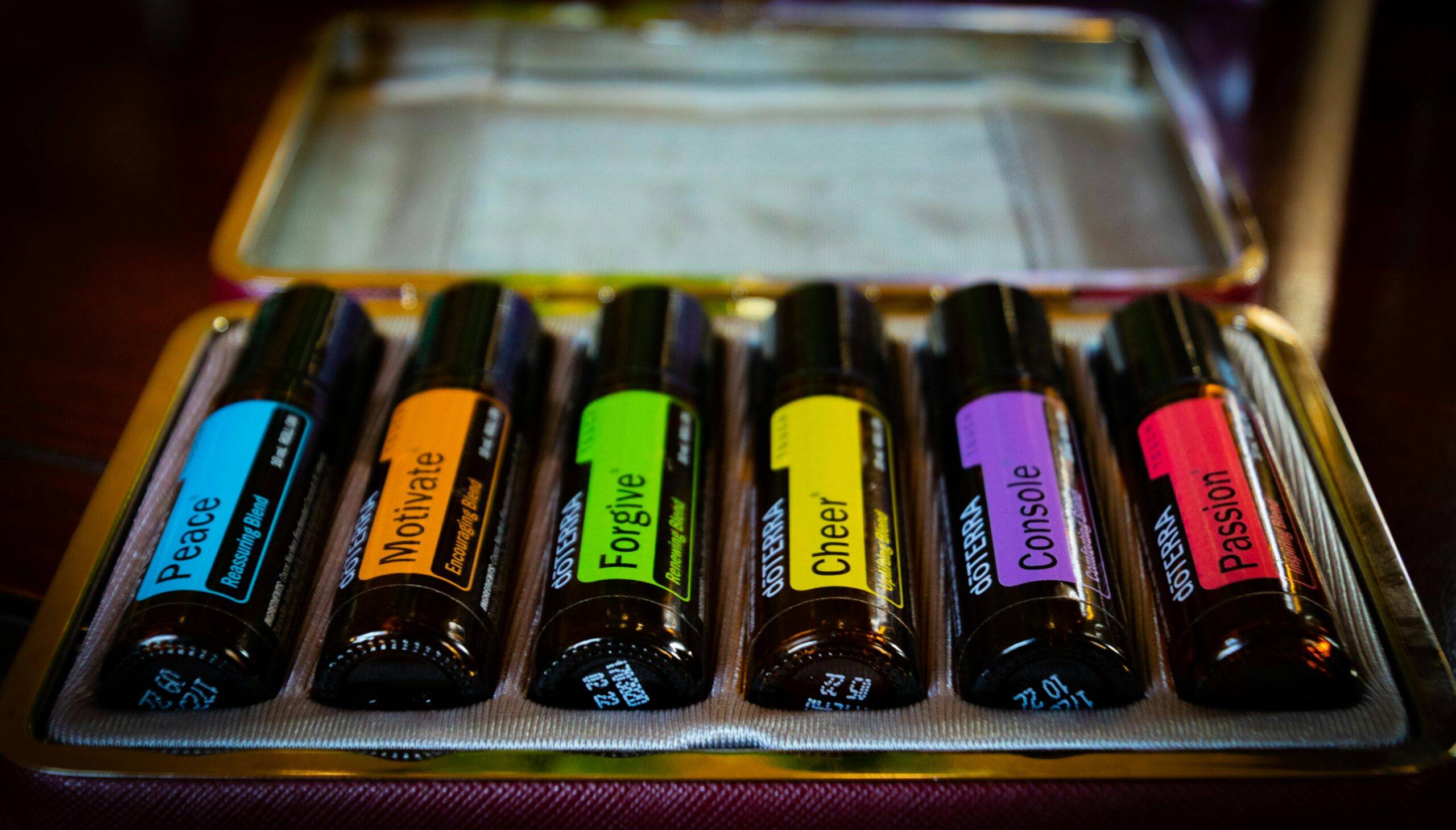
Navigating the world of product labels can feel overwhelming when terms like “natural,” “organic,” and “eco-safe” seem to appear on everything from groceries to cosmetics.

🌿 The Growing Confusion in Green Marketing
Walk into any supermarket or browse online stores today, and you’ll be bombarded with products claiming to be better for you and the planet. “100% Natural,” “Certified Organic,” “Eco-Friendly,” and “Sustainably Sourced” are just a few of the labels competing for your attention and wallet. But what do these terms actually mean? More importantly, which ones can you trust?
The reality is that many consumers are making purchasing decisions based on labels they don’t fully understand. A recent survey found that over 60% of shoppers assume products labeled “natural” are healthier and safer, despite the term having little regulatory meaning in many countries. This confusion isn’t accidental—it’s often the result of deliberate marketing strategies that blur the lines between genuine eco-consciousness and clever sales tactics.
Understanding these labels isn’t just about making smarter purchases; it’s about protecting yourself from greenwashing, supporting genuinely sustainable businesses, and making choices that align with your values. Let’s decode the most common claims you’ll encounter and uncover what they really mean.
🔍 Breaking Down “Natural” Product Claims
The word “natural” might be the most misunderstood and misused term in product marketing today. Unlike “organic,” which has strict regulatory definitions in many countries, “natural” remains largely unregulated in most product categories.
What “Natural” Actually Means (Or Doesn’t)
In the United States, the FDA does not have a formal definition for “natural” on food labels, except for meat and poultry products. For cosmetics and personal care products, there are virtually no regulations governing the use of this term. This means a manufacturer can label a product “natural” even if it contains synthetic ingredients, as long as some components are derived from natural sources.
Consider this: arsenic, mercury, and formaldehyde are all natural substances. Natural doesn’t automatically equal safe, healthy, or environmentally friendly. Many synthetic ingredients are actually safer and more sustainable than their natural counterparts when considering factors like production impact, consistency, and preservation.
Red Flags in Natural Product Marketing
Watch out for these warning signs that suggest a product’s “natural” claims might be exaggerated:
- Vague language like “made with natural ingredients” without specifying percentages
- Natural imagery (leaves, flowers, earth tones) that creates impression without substance
- Cherry-picked “natural” ingredients highlighted while synthetic ones are buried in fine print
- No third-party certifications or transparent ingredient sourcing information
- Claims that seem too good to be true or make unrealistic promises
✅ Decoding Organic Certifications: The Real Deal
Unlike “natural,” organic certification comes with specific legal standards, regular inspections, and serious consequences for fraudulent claims. However, organic standards vary significantly between countries and product categories, making it essential to understand what you’re actually getting.
USDA Organic: Understanding the Tiers
In the United States, the USDA Organic seal represents one of the most stringent certification systems worldwide. However, not all organic labels are created equal. Here’s the breakdown:
| Label Type | Organic Content Required | What It Means |
|---|---|---|
| 100% Organic | 100% | All ingredients are certified organic |
| Organic | 95% or more | At least 95% organic ingredients; remaining 5% must be from approved list |
| Made With Organic | 70-94% | Cannot use USDA seal; can list organic ingredients |
| Less than 70% | Under 70% | Cannot use “organic” on front panel; only in ingredient list |
International Organic Standards Worth Knowing
If you’re shopping internationally or buying imported products, familiarize yourself with these respected certification bodies:
- EU Organic (Euro-leaf logo): Covers all EU member states with standards comparable to USDA Organic
- Soil Association (UK): Often considered more rigorous than basic EU standards
- ECOCERT (France): International certification for organic and natural products
- JAS (Japan): Japanese Agricultural Standard for organic products
- Canada Organic: Recognizes USDA certification through equivalency agreements
These certifications ensure that products meet specific criteria regarding pesticide use, GMO content, animal welfare, and environmental impact. They require regular audits and maintain traceability throughout the supply chain.
🌍 Eco-Safe and Sustainable Claims: Separating Fact from Fiction
Terms like “eco-safe,” “eco-friendly,” “sustainable,” and “green” are even more nebulous than “natural.” Without standardized definitions, these labels often amount to little more than marketing buzzwords designed to appeal to environmentally conscious consumers.
Common Eco-Claims and What to Look For
When you see environmental claims on products, dig deeper by asking specific questions. “Biodegradable” sounds promising, but biodegradable under what conditions? In a commercial composting facility, or will it actually break down in a landfill or ocean? Similarly, “recyclable” means nothing if your local recycling facility doesn’t accept that material.
Legitimate eco-friendly products typically have third-party certifications to back up their claims. Look for recognized eco-labels such as:
- EWG Verified: Environmental Working Group certification for products free from concerning chemicals
- Leaping Bunny: Cruelty-free certification with strict standards
- Fair Trade Certified: Ensures ethical sourcing and fair wages
- Energy Star: For energy-efficient appliances and electronics
- Forest Stewardship Council (FSC): Sustainable forestry certification
- Marine Stewardship Council (MSC): Sustainable seafood certification
The Carbon Neutral Conundrum
Claims about carbon neutrality have exploded in recent years, but these require special scrutiny. Some companies achieve “carbon neutral” status through carbon offsets—essentially paying to compensate for their emissions rather than actually reducing them. While offsets can be part of a legitimate climate strategy, they shouldn’t be the entire strategy.
Look for companies that transparently report their actual emissions reductions, have science-based targets approved by organizations like the Science Based Targets initiative (SBTi), and use offsets only for emissions they truly cannot eliminate.
💡 Practical Tools for Informed Shopping Decisions
Fortunately, you don’t have to become a certification expert to make better choices. Several apps and databases can help you decode product labels right in the store.
Digital Resources That Cut Through Marketing Noise
The Environmental Working Group’s website and app provide ratings for food, cosmetics, and cleaning products based on ingredient safety and environmental impact. Their database includes over 80,000 products, making it easy to scan barcodes and get instant information about potential health concerns.
Another valuable resource is the Think Dirty app, which focuses specifically on personal care and cosmetic products, rating them on a scale of 0-10 based on ingredient safety. The app provides detailed information about potentially harmful ingredients and suggests cleaner alternatives.
For food specifically, the USDA Organic Integrity Database allows you to verify whether a product or operation is genuinely certified organic. This free online tool is particularly useful when you encounter unfamiliar brands or products making organic claims.
🚩 Recognizing Greenwashing Tactics
Greenwashing—the practice of making misleading environmental claims—has become increasingly sophisticated. Companies spend millions on appearing eco-conscious while their actual practices may tell a different story.
The Seven Sins of Greenwashing
Environmental marketing firm TerraChoice identified seven common greenwashing tactics that consumers should watch for:
The Sin of the Hidden Trade-Off: Claiming a product is green based on a narrow set of attributes while ignoring significant environmental impacts elsewhere. For example, paper products labeled “from sustainable forests” that require energy-intensive manufacturing processes.
The Sin of No Proof: Making environmental claims without accessible supporting information or third-party certification. If a company claims to be eco-friendly but provides no evidence, remain skeptical.
The Sin of Vagueness: Using terms so poorly defined that their real meaning is likely misunderstood by consumers. “All-natural” and “eco-friendly” often fall into this category.
The Sin of Worshiping False Labels: Creating the impression of third-party endorsement through fake labels or certifications. Some companies design their own eco-looking symbols that mimic legitimate certifications.
The Sin of Irrelevance: Making truthful but unhelpful environmental claims. “CFC-free” is irrelevant when CFCs have been legally banned for decades anyway.
The Sin of Lesser of Two Evils: Claims that may be true within the product category but distract from the greater environmental impact. “Eco-friendly cigarettes” or “sustainable pesticides” exemplify this tactic.
The Sin of Fibbing: Simply making false environmental claims. While less common due to legal risks, outright lies still occur, particularly in categories with minimal regulation.
🛒 Building Your Own Evaluation Framework
Rather than relying solely on front-of-package claims, develop a systematic approach to evaluating products. This framework can help you make consistent, informed decisions aligned with your priorities.
Questions to Ask Before Purchasing
Start by clarifying what matters most to you. Are you primarily concerned about personal health, environmental impact, animal welfare, or all of these? Once you’ve identified your priorities, use these questions as a filter:
- Does this product have third-party certifications relevant to my concerns?
- Can I verify the company’s claims through independent sources?
- Is the ingredient list transparent and understandable?
- Does the company provide information about sourcing and manufacturing?
- Are there independent reviews or ratings from trusted organizations?
- What is the company’s track record on environmental and social issues?
- Does the packaging align with the eco-friendly claims?
- Is there a genuinely better alternative available?
Reading Beyond the Front Label
The most important information is often on the back of the package. Learn to read ingredient lists effectively: ingredients are listed in descending order by weight, so the first few items make up the bulk of the product. For cosmetics and personal care items, the Environmental Working Group’s Skin Deep database can help you understand unfamiliar chemical names.
Pay attention to certifications, but also note what’s absent. A product might be certified organic but packaged in excessive plastic, or cruelty-free but contain unsustainable palm oil. Comprehensive evaluation requires looking at the whole picture.
🌱 Supporting Genuinely Sustainable Businesses
Once you’ve identified products and companies that meet your standards, consider how you can support and encourage their practices. Your purchasing power is a form of voting for the kind of economy and environment you want to see.
Beyond Individual Purchases
Sustainable shopping isn’t just about buying “better” products—it’s also about buying less overall. The most eco-friendly product is often the one you don’t buy. Before making a purchase, ask whether you truly need it, whether you can repair or repurpose something you already own, or whether you can buy it secondhand.
When you do purchase from companies with genuine environmental and social commitments, let them know why you chose their products. Companies track customer feedback carefully, and positive reinforcement for authentic sustainability efforts encourages them to maintain and expand those practices.
Consider joining or supporting organizations that advocate for stronger labeling regulations and corporate accountability. Groups like the Environmental Working Group, Green America, and various consumer protection organizations work to create systems that make it easier for everyone to make informed choices.
🔮 The Future of Product Labeling and Transparency
The landscape of product claims and certifications continues to evolve as consumer awareness grows and technology enables greater transparency. Blockchain technology is beginning to be used for supply chain verification, allowing consumers to trace products from origin to shelf. QR codes on packaging can provide detailed information about ingredients, sourcing, and environmental impact.
Regulatory bodies worldwide are also tightening standards and enforcement around environmental claims. The European Union’s Green Claims Directive, for example, aims to combat greenwashing by requiring companies to substantiate environmental claims with scientific evidence. Similar initiatives are emerging in other jurisdictions.
As artificial intelligence and machine learning advance, we may see more sophisticated tools for evaluating product claims in real-time. Imagine pointing your phone at a product and instantly receiving comprehensive, verified information about its health, environmental, and social impacts based on current scientific understanding and regulatory standards.

🎯 Taking Action: Your Path Forward
Understanding labels and claims is an ongoing education, not a one-time accomplishment. Start by focusing on the products you use most frequently—perhaps your daily personal care items, cleaning products, or staple groceries. Gradually expand your knowledge to other categories as you become more comfortable evaluating claims.
Remember that perfection isn’t the goal. Even making one more informed choice per shopping trip contributes to positive change. Share what you learn with friends and family, but avoid judgment—everyone’s journey toward more conscious consumption looks different based on their circumstances, priorities, and resources.
Most importantly, don’t let the complexity discourage you. While the labeling landscape can be confusing, the core principles remain straightforward: look for third-party certifications, verify claims through independent sources, read ingredient lists carefully, consider the whole product lifecycle, and support companies with demonstrated commitments to transparency and sustainability.
By becoming a more informed consumer, you’re not just making better choices for yourself—you’re participating in a larger movement toward corporate accountability, environmental protection, and a more transparent marketplace. Every purchase is an opportunity to vote for the world you want to live in, and now you have the tools to cast that vote with confidence and knowledge.