Cold-process formulations represent a revolutionary approach to skincare, preserving natural ingredients while creating exceptionally gentle products ideal for sensitive skin types.

🌿 Understanding Cold-Process Formulation Methods
The cold-process method is an ancient technique that has experienced a renaissance in modern skincare formulation. Unlike conventional manufacturing that relies on high heat and aggressive processing, cold-process formulation maintains temperatures below 40°C (104°F) throughout production. This temperature-controlled approach ensures that heat-sensitive botanical extracts, vitamins, and beneficial compounds retain their original potency and effectiveness.
When ingredients are subjected to high temperatures during traditional manufacturing, their molecular structure can degrade, reducing therapeutic benefits. Cold-process formulation circumvents this problem entirely, allowing formulators to create products that deliver maximum efficacy. This method is particularly valuable when working with ingredients like vitamin C, retinol alternatives, probiotics, and delicate plant oils that lose potency when heated.
The technique originated with traditional soap-making communities who discovered that slower, cooler processing resulted in superior products. Modern cosmetic chemists have adapted these principles, incorporating advanced understanding of pH balance, emulsification science, and preservation techniques to create sophisticated skincare formulations suitable for even the most reactive skin types.
💧 Why Sensitive Skin Needs Special Attention
Sensitive skin is not merely a cosmetic concern but a genuine physiological condition affecting approximately 50-60% of the global population. This skin type exhibits a compromised barrier function, reduced tolerance to environmental stressors, and heightened reactivity to common skincare ingredients. The stratum corneum—the outermost protective layer—is often thinner and more permeable in sensitive skin, allowing irritants to penetrate more easily.
People with sensitive skin frequently experience symptoms including redness, itching, burning sensations, dryness, and occasional breakouts triggered by products that others tolerate without issue. These reactions stem from various factors including genetic predisposition, environmental damage, over-exfoliation, and prolonged exposure to harsh ingredients like sulfates, synthetic fragrances, and alcohol.
Cold-process formulations address these concerns by eliminating heat-related degradation that can create irritating byproducts. When oils are heated excessively, they can oxidize and form compounds that trigger inflammatory responses. By maintaining cooler temperatures, cold-process methods preserve the natural anti-inflammatory properties of botanical ingredients while minimizing the formation of potentially irritating substances.
🔬 The Science Behind Silky-Smooth Textures
Achieving that coveted silky-smooth texture without relying on synthetic silicones or heavy emulsifiers requires sophisticated formulation knowledge. Cold-process methods excel in this area by leveraging the natural properties of carefully selected ingredients. The key lies in understanding emulsion science and the behavior of different fatty acids, waxes, and natural emulsifiers at various temperatures.
Natural ingredients like cetearyl alcohol (derived from coconut), olive-derived emulsifiers, and plant-based waxes create stable emulsions that feel luxurious on skin without the need for aggressive processing. When combined at optimal cool temperatures, these ingredients form lamellar structures—microscopic layers that mimic the natural organization of lipids in healthy skin. This biomimetic structure explains why cold-process formulations often feel more compatible with sensitive skin.
The viscosity and sensory experience of cold-process products develop through careful ingredient selection rather than temperature manipulation. Lightweight oils like squalane, jojoba, and rosehip blend seamlessly with aloe vera gel and botanical hydrosols to create formulations that absorb quickly without leaving greasy residues. The result is products that feel indulgent yet disappear into skin, delivering hydration and active ingredients without overwhelming delicate skin barriers.
🌸 Essential Ingredients for Gentle Cold-Process Formulations
Selecting appropriate ingredients forms the foundation of effective cold-process skincare for sensitive skin. Each component must serve multiple purposes: providing therapeutic benefits, contributing to product stability, and enhancing sensory experience—all without triggering reactions.
Base Oils and Butters
Cold-pressed oils retain their complete nutritional profile, including fatty acids, vitamins, and antioxidants. Sweet almond oil, with its high vitamin E content and emollient properties, soothes inflammation while reinforcing barrier function. Calendula-infused oils bring anti-inflammatory benefits perfect for reactive skin. Shea butter, used sparingly in cold-process formulations, provides rich nourishment without clogging pores when properly emulsified at low temperatures.
Hydrating Elements
Botanical hydrosols—the aromatic water produced during steam distillation of plants—offer gentle hydration with therapeutic properties. Rose hydrosol provides astringent benefits and delicate fragrance, while chamomile hydrosol calms irritation. Aloe vera gel, stabilized without harsh preservatives, delivers cooling hydration and promotes healing. Hyaluronic acid in various molecular weights attracts moisture to multiple skin layers without irritation.
Active Botanical Extracts
Cold-process methods preserve the delicate compounds in botanical extracts that would otherwise degrade with heat. Colloidal oatmeal provides immediate soothing relief for irritated skin. Green tea extract delivers powerful antioxidants that combat environmental damage. Licorice root extract offers natural skin-brightening properties without the harshness of synthetic alternatives. These ingredients maintain their efficacy when incorporated at temperatures that preserve their molecular integrity.
⚗️ Formulation Techniques That Make the Difference
Creating effective cold-process products requires patience, precision, and understanding of ingredient behavior at cooler temperatures. The process begins with careful planning—formulators must consider how each ingredient will interact with others in the absence of heat-facilitated emulsification.
The water phase and oil phase are prepared separately, each maintained at carefully controlled temperatures typically between 25-35°C (77-95°F). Unlike hot-process methods that rely on heat to force ingredients together, cold-process formulation depends on mechanical energy and proper emulsifier selection to create stable mixtures. This gentler approach takes longer but produces superior results for sensitive skin.
Emulsification occurs gradually through sustained mixing rather than rapid heating and cooling. High-shear mixing equipment disperses oil droplets throughout the water phase, creating stable emulsions without thermal stress. The slower pace allows formulators to monitor texture development and make adjustments before the product sets. This attention to detail results in products with refined textures and enhanced stability.
pH balancing is particularly critical in cold-process formulations. Without heat to accelerate chemical reactions, maintaining optimal pH (typically 4.5-5.5 for skincare) requires precise measurement and adjustment. Natural pH adjusters like lactic acid or citric acid maintain the slightly acidic environment that supports healthy skin microbiomes while preventing bacterial growth.
🛡️ Preserving Cold-Process Products Naturally
Preservation presents unique challenges in cold-process formulations, as traditional preservatives often require heat activation or perform optimally at higher temperatures. However, sensitive skin benefits tremendously from natural preservation systems that don’t compromise ingredient integrity or trigger reactions.
Broad-spectrum preservation systems combining multiple natural preservatives provide effective protection against bacteria, yeast, and mold. Leuconostoc/radish root ferment, a natural preservative created through fermentation, works effectively in cold-process formulations. Combining it with antimicrobial essential oils like tea tree (at appropriate concentrations) and antioxidants like vitamin E creates multi-layered protection.
Proper manufacturing hygiene becomes even more critical in cold-process production. Equipment sanitization, sterile ingredient handling, and clean room environments minimize contamination risks from the start. Many artisan formulators incorporate additional safety measures like working with small batches, using airless packaging, and encouraging refrigerated storage to extend product life naturally.
✨ Benefits That Transform Sensitive Skin
The advantages of cold-process formulations extend far beyond simply avoiding irritation. Users consistently report transformative improvements in their skin’s appearance, comfort, and resilience when switching to properly formulated cold-process products.
Enhanced barrier function develops over time as skin receives consistent nourishment from intact botanical compounds. The preserved fatty acid profiles in cold-pressed oils closely match the lipids naturally present in healthy skin, facilitating repair and strengthening. Unlike products containing heat-damaged ingredients, cold-process formulations work synergistically with skin’s natural processes rather than overwhelming them.
Reduced inflammation becomes apparent within days of incorporating cold-process products into skincare routines. The anti-inflammatory compounds preserved through gentle processing—including bisabolol from chamomile, azulene from blue tansy, and polyphenols from green tea—maintain their potency and deliver measurable calming effects. Many users find that chronic redness, a hallmark of sensitive skin, diminishes significantly.
Long-term improvements in skin tolerance occur as the microbiome rebalances and barrier function strengthens. Skin that previously reacted to numerous products often develops increased resilience, expanding the range of ingredients users can safely incorporate. This improved tolerance stems from consistent, gentle care that supports rather than disrupts skin’s natural defense mechanisms.
🏠 Creating Cold-Process Products at Home
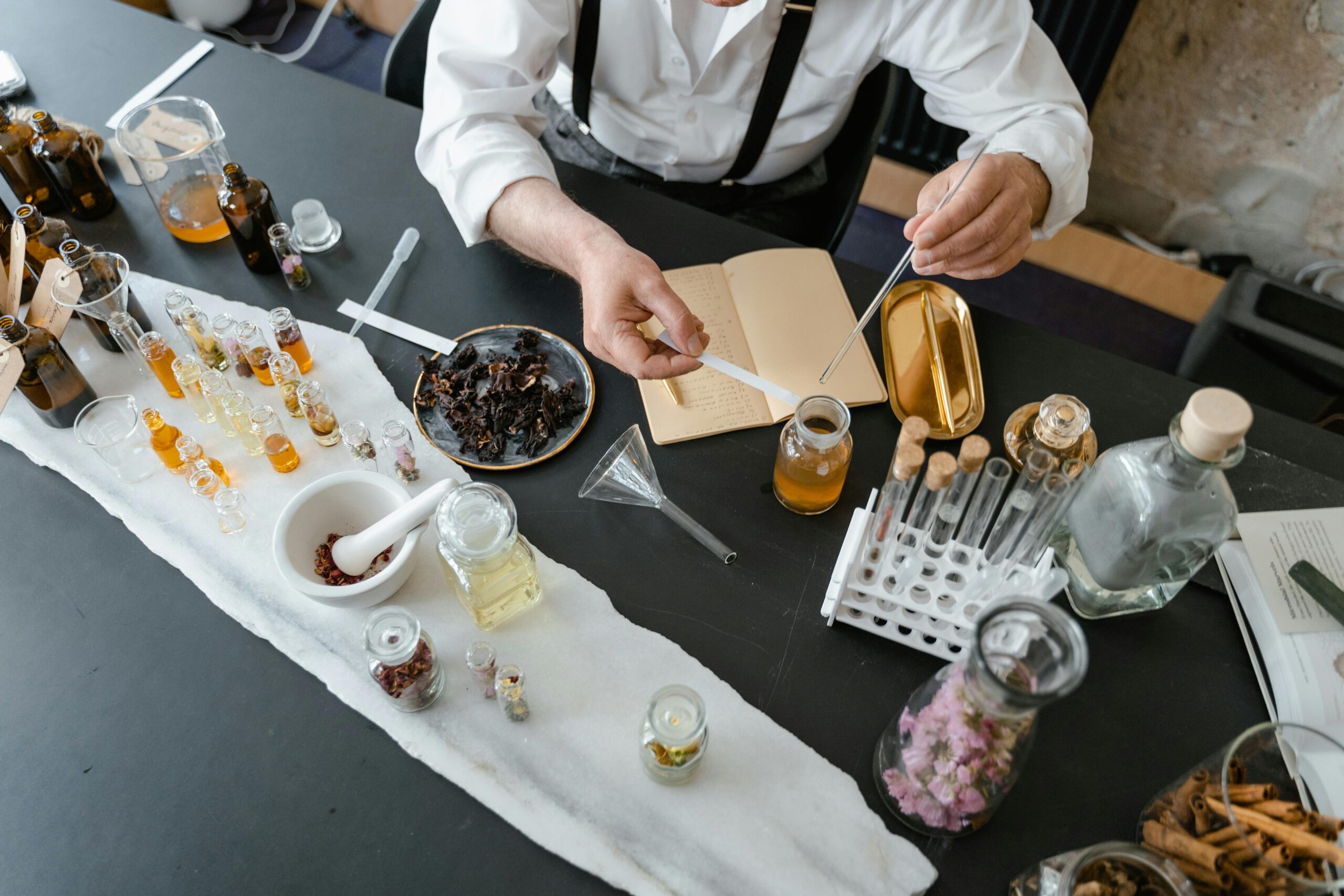
While commercial cold-process products offer convenience and professionally tested formulations, many skincare enthusiasts enjoy crafting personalized products at home. This approach allows complete control over ingredients, enabling those with severe sensitivities to avoid specific triggers while incorporating favorite beneficial components.
Home formulation requires investment in basic equipment: digital scale for precise measurements, pH strips or meter, sterilized mixing containers, and an electric mixer or immersion blender. Ingredient sourcing demands attention—purchasing from reputable suppliers ensures purity and freshness. Cold-pressed oils should be organic and stored properly to prevent rancidity before use.
Beginning formulators should start with simple recipes: basic cleansing balms, hydrating serums, or gentle moisturizers. Mastering these fundamentals builds confidence and understanding before attempting more complex formulations. Documentation is essential—recording exact measurements, processing notes, and observations allows refinement of recipes and troubleshooting when results don’t meet expectations.
Safety considerations remain paramount in home formulation. Proper preservation prevents dangerous microbial growth, while patch testing ensures new formulations don’t trigger reactions. Understanding ingredient interactions and contraindications protects skin health. Many online communities offer guidance, though consulting experienced formulators or cosmetic chemists provides valuable expertise for those serious about DIY cold-process skincare.
🌍 Sustainability and Cold-Process Methods
Beyond benefits for sensitive skin, cold-process formulation aligns with environmental sustainability goals increasingly important to conscious consumers. The reduced energy consumption inherent in methods avoiding heating processes significantly decreases carbon footprints compared to conventional manufacturing.
Cold-process production typically generates less waste, as the gentle handling preserves more ingredient value, reducing the need for corrective additives or stabilizers. Many cold-process brands prioritize sustainable sourcing, selecting organic ingredients from regenerative agriculture and fair-trade partnerships that support communities while protecting ecosystems.
Packaging choices often reflect the same values driving cold-process formulation. Glass containers, refillable systems, and biodegradable materials reduce plastic pollution. Some brands have pioneered waterless formulations—concentrated products that eliminate water content, reducing shipping weight and extending shelf life without synthetic preservatives.
💡 Incorporating Cold-Process Products Into Your Routine
Transitioning to cold-process skincare requires patience as skin adjusts to gentler, more effective ingredients. Initial experiences may differ from conventional products—textures might feel different, absorption rates may vary, and immediate results might be subtle. However, commitment to this approach typically yields significant improvements within 4-6 weeks.
Begin by replacing products that contact skin longest: moisturizers and serums. These allow maximum exposure to beneficial cold-process ingredients. Gradually incorporate cleansers, masks, and targeted treatments as confidence builds. Layering products correctly—thinnest to thickest consistency—ensures optimal absorption and efficacy.
Listen to your skin throughout the transition. While cold-process formulations suit sensitive skin exceptionally well, individual responses vary. Some ingredients, even gentle ones, may not suit everyone. Patch testing new products, introducing one at a time, and maintaining a skincare journal help identify what works best for your unique needs.
🎯 Finding Quality Cold-Process Products
The growing popularity of cold-process skincare has unfortunately attracted brands making misleading claims. Discerning consumers should look for specific indicators of authentic cold-process formulation. Transparent ingredient lists with recognizable botanical names, clear manufacturing process descriptions, and realistic preservation approaches signal legitimate products.
Certifications from recognized organizations provide additional assurance. Organic certifications, cruelty-free designations, and third-party testing results demonstrate commitment to quality and ethics. Many authentic cold-process brands embrace radical transparency, sharing detailed information about sourcing, formulation philosophy, and manufacturing practices.
Price often reflects quality in cold-process products. Premium botanical ingredients, small-batch production, and careful processing require investment. While expensive doesn’t automatically mean better, extremely low prices may indicate compromised ingredients or manufacturing shortcuts. Researching brands, reading detailed reviews from users with similar skin concerns, and requesting samples when possible helps make informed choices.

🌟 The Future of Gentle Skincare Formulation
Cold-process formulation represents more than a trend—it’s a fundamental shift toward respecting skin’s natural biology while delivering effective care. As research continues revealing the importance of skin barrier health, microbiome balance, and gentle ingredient delivery, cold-process methods gain scientific validation supporting what traditional practitioners understood intuitively.
Innovation continues advancing cold-process capabilities. New natural emulsifiers, preservation systems, and stabilizers expand formulation possibilities while maintaining the core principle of gentle processing. Biotechnology contributes ingredients like fermented extracts and bioengineered botanicals that offer enhanced benefits with minimal environmental impact.
Education empowers consumers to make informed choices supporting their skin health and values. Understanding cold-process principles helps recognize quality products and appreciate the care invested in their creation. As more people experience the transformative benefits of properly formulated gentle skincare, demand drives industry-wide improvements, making effective options increasingly accessible to those with sensitive skin worldwide.