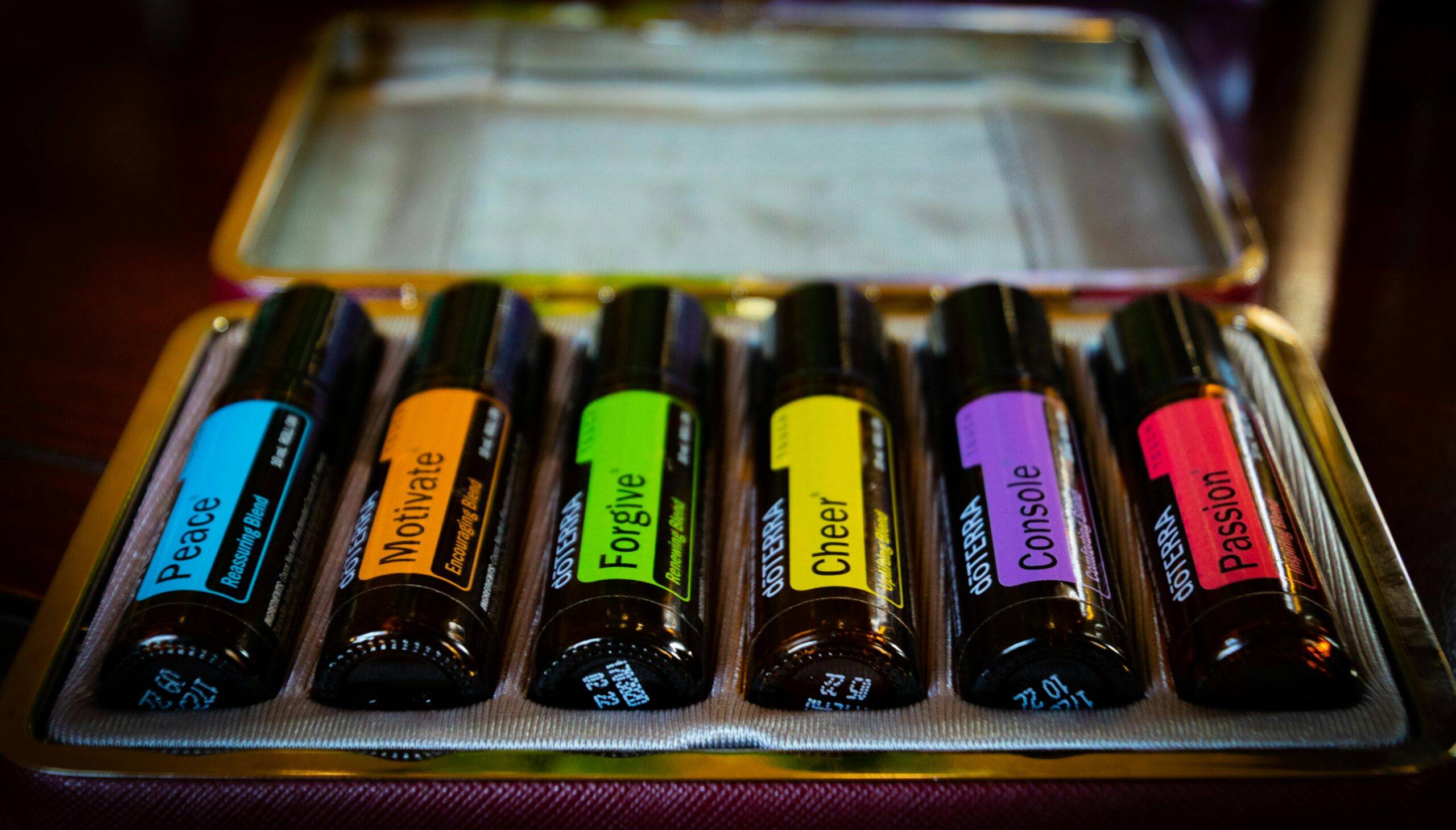
The invisible chemicals we rely on daily to preserve our food, cosmetics, and products are silently reshaping the aquatic worlds we rarely see.

🌊 The Hidden Journey of Preservatives from Shore to Sea Floor
Every time we wash our hands with antibacterial soap, rinse shampoo from our hair, or dispose of expired cosmetics, we participate in an unintended experiment on aquatic life. Chemical preservatives, designed to extend product shelf life and prevent microbial contamination, follow water’s natural path from our drains through treatment facilities and ultimately into rivers, lakes, and oceans.
These substances—parabens, triclosan, formaldehyde releasers, and synthetic phenols—were engineered for stability. That very stability becomes their environmental curse. Unlike organic matter that naturally decomposes, many preservatives resist breakdown, accumulating in sediments and bioaccumulating through food chains. The concentrations might measure in parts per billion, but their biological effects can be disproportionately significant.
Research institutions worldwide have begun mapping these chemical footprints with increasing precision. What they’re discovering challenges our assumptions about dilution and natural purification. Water doesn’t simply wash these substances away—it redistributes them, creating new exposure scenarios that evolution never prepared aquatic organisms to handle.
Understanding the Chemical Culprits Behind Aquatic Disruption
Not all preservatives pose equal threats to aquatic ecosystems. The impact varies dramatically based on chemical structure, concentration, environmental conditions, and the specific organisms exposed. Parabens—methylparaben, propylparaben, and butylparaben—dominate personal care products and have been detected in surface waters across six continents.
These compounds mimic estrogen in biological systems, disrupting endocrine function in fish, amphibians, and aquatic invertebrates. Male fish exposed to paraben-contaminated waters show reduced sperm production and altered reproductive behavior. Females experience premature egg development and skewed offspring sex ratios. The concentrations required for these effects are shockingly low, sometimes measurable in nanograms per liter.
Triclosan represents another concerning category. Once ubiquitous in antibacterial soaps and toothpastes, this preservative interferes with algae photosynthesis—the foundational process supporting aquatic food webs. When algae populations decline or become metabolically stressed, the ripple effects extend upward through every trophic level. Zooplankton populations shrink, juvenile fish face food scarcity, and predator species suffer reproductive declines.
The Methylisothiazolinone Mystery 🔬
Methylisothiazolinone (MIT) and its chemical relative methylchloroisothiazolinone exemplify how regulatory changes in one sector create unexpected environmental pressures. As manufacturers phased out parabens in response to consumer concerns, many substituted isothiazolinone preservatives. These alternatives proved even more toxic to aquatic invertebrates than the compounds they replaced.
Freshwater snails, essential decomposers in aquatic ecosystems, show particularly high sensitivity to MIT. Exposure concentrations found in contaminated streams cause shell malformation, reproductive failure, and population crashes. These snails control algae growth, recycle nutrients, and serve as prey for dozens of species. Their decline initiates cascade effects that fundamentally alter ecosystem structure.
Mapping Contamination: Where Paradise Meets Pollution
Geographic information systems combined with water quality monitoring have revealed disturbing patterns in preservative distribution. Contamination hotspots cluster predictably near urban centers, wastewater treatment outflows, and industrial zones. But preservatives also appear in supposedly pristine locations—remote mountain streams, protected wetlands, and marine reserves far from obvious pollution sources.
Atmospheric deposition explains some of these anomalies. Volatile preservatives evaporate from products during use, travel through air currents, and deposit in rainfall hundreds of kilometers away. Agricultural runoff provides another vector, carrying preservatives from treated seeds, livestock medications, and contaminated irrigation water into waterways.
Seasonal variations significantly influence contamination patterns. Summer months typically show elevated preservative concentrations due to increased personal care product use, higher water temperatures accelerating chemical release, and reduced stream flows concentrating pollutants. Winter conditions in temperate regions often provide aquatic organisms with crucial recovery periods between exposure pulses.
Coastal Zones: The Concentration Effect 🏖️
Coastal ecosystems face particularly intense preservative pressure. These transition zones receive contaminant loads from terrestrial sources while experiencing reduced dilution compared to open ocean environments. Estuaries, mangrove forests, and coral reef systems concentrate pollutants while simultaneously supporting extraordinary biodiversity.
Coral reefs demonstrate alarming sensitivity to preservative exposure. Compounds like oxybenzone and octinoxate—preservatives and UV filters in sunscreens—cause coral bleaching, DNA damage, and skeletal deformities even at extremely low concentrations. A single drop of sunscreen in a small pool of reef water can trigger measurable stress responses. Multiply that by millions of beachgoers annually, and the cumulative impact becomes catastrophic.
Mangrove ecosystems, critical nurseries for commercial fish species, accumulate preservatives in their sediments and tissues. These compounds persist for years, creating chronic low-level exposure scenarios. Juvenile fish developing in contaminated mangroves show reduced disease resistance, impaired predator avoidance, and decreased survival rates when they migrate to open waters.
The Biological Consequences: From Molecules to Ecosystems
Understanding preservative impacts requires examining effects across multiple biological scales. At the molecular level, these chemicals interfere with hormone receptors, enzyme function, and gene expression. Cells respond with stress pathways, altered metabolism, and sometimes programmed death. Individual organisms manifest these molecular disruptions as developmental abnormalities, reproductive failures, and behavioral changes.
Population-level consequences emerge when individual impacts reduce birth rates, increase mortality, or skew sex ratios. Computer models predict that even modest reductions in reproductive success—10 to 15 percent—can drive slow-breeding species toward local extinction within decades. Field studies increasingly validate these predictions, documenting population declines in contaminated versus reference sites.
Community and ecosystem effects prove hardest to predict but potentially most devastating. Preservatives rarely impact all species equally. Sensitive species disappear while tolerant ones proliferate, fundamentally restructuring ecological relationships. These reorganized communities often function less efficiently, providing reduced ecosystem services like water purification, nutrient cycling, and food production.
Amphibians: Sentinels of Chemical Change 🐸
Amphibians serve as particularly informative indicators of preservative pollution. Their permeable skin, aquatic larval stages, and complex life cycles create multiple exposure pathways. Global amphibian declines—attributed primarily to habitat loss, disease, and climate change—may be substantially worsened by chemical stressors including preservatives.
Laboratory studies document preservative effects on tadpole development that mirror patterns observed in wild populations: delayed metamorphosis, limb malformations, and skewed sex ratios. Field investigations reveal higher preservative concentrations in ponds experiencing amphibian declines compared to those with stable populations. The correlation doesn’t prove causation, but the weight of evidence continues mounting.
Wastewater Treatment: The First Line of Defense That’s Often Breached
Municipal wastewater treatment facilities weren’t designed to remove synthetic chemical preservatives. Conventional treatment processes—screening, sedimentation, and biological digestion—effectively remove pathogens and organic matter but allow many preservatives to pass through unchanged. These chemicals exit treatment plants in effluent discharged directly into receiving waters.
Advanced treatment technologies show promise for preservative removal. Activated carbon filtration absorbs many compounds, though system costs and carbon disposal challenges limit widespread implementation. Ozone treatment oxidizes preservatives into less harmful breakdown products, but requires substantial energy inputs. Membrane filtration physically excludes chemicals but generates concentrated waste streams requiring careful management.
The economic reality remains stark: upgrading treatment facilities to remove emerging contaminants costs billions. Many municipalities struggle to maintain basic infrastructure, leaving advanced treatment as an aspirational goal rather than near-term reality. Until treatment systems improve, wastewater effluent will continue delivering preservative loads to aquatic ecosystems.
Nature-Based Treatment Solutions 🌿
Constructed wetlands offer a cost-effective complement to conventional treatment. These engineered ecosystems use natural processes—microbial breakdown, plant uptake, and soil adsorption—to remove contaminants from water. Research demonstrates that properly designed wetlands reduce preservative concentrations by 60 to 90 percent before water reaches natural receiving waters.
Wetland plants like cattails, bulrushes, and water irises accumulate preservatives in their tissues, essentially filtering contaminants from water. Harvesting these plants removes the chemicals permanently. The harvested biomass can be composted or used for bioenergy, creating economic value from pollution removal. This approach transforms wastewater treatment from purely infrastructure-dependent to ecosystem-based.
Consumer Choices: Individual Actions with Collective Impact
Market forces respond to consumer preferences, making purchasing decisions a powerful environmental tool. Growing awareness of preservative impacts has spawned demand for alternative-preserved and preservative-free products. Manufacturers have responded with innovations: plant-based preservatives, airless packaging reducing contamination risk, and concentrated formulas requiring less preservative per use.
Reading ingredient labels empowers informed choices. Common preservatives appear under various names—phenoxyethanol, benzyl alcohol, sodium benzoate, potassium sorbate—each with different environmental profiles. Independent databases and smartphone applications now provide environmental ratings for personal care products, translating complex chemistry into accessible guidance.
Reducing overall consumption provides the most direct impact reduction. Questioning whether we truly need specialized products for every purpose, choosing multi-use items, and extending product life through proper storage all decrease the preservative volume entering aquatic ecosystems. These choices simultaneously reduce plastic waste, transportation emissions, and manufacturing pollution.
The DIY Alternative Movement 💚
Crafting personal care products at home has gained popularity as consumers seek preservative-free alternatives. Simple formulations using oils, butters, and essential oils avoid synthetic preservatives entirely. However, this approach requires understanding microbial contamination risks, proper sanitation, and safe storage practices. Homemade water-based products spoil quickly without preservatives, potentially causing skin infections.
The environmental calculus becomes complex. Homemade products eliminate some preservatives but may require ingredients with their own environmental footprints. Palm oil, a popular cosmetic ingredient, drives tropical deforestation. Some essential oils require massive plant quantities, potentially threatening wild populations. Informed DIY approaches balance multiple sustainability considerations rather than optimizing for single factors.
Regulatory Frameworks: Protecting Ecosystems Through Policy
Environmental regulations historically focused on acute toxins causing immediate, obvious harm. Preservatives operating at sublethal levels through chronic exposure pathways challenge traditional regulatory approaches. New frameworks recognize that chemicals causing no observable effects in short-term tests may still disrupt reproduction, development, and ecosystem function over longer timeframes.
The European Union’s REACH regulations require manufacturers to demonstrate chemical safety before market approval, shifting the burden of proof from regulators to producers. This precautionary approach has accelerated preservative alternatives development and reduced environmental releases. North American regulations remain more fragmented, with different standards across jurisdictions and less comprehensive pre-market assessment.
International cooperation proves essential for addressing aquatic contamination that ignores political boundaries. Rivers flow through multiple countries, ocean currents distribute pollutants globally, and migratory species connect distant ecosystems. Treaty frameworks like the Stockholm Convention on Persistent Organic Pollutants provide templates for coordinated action on preservatives demonstrating similar persistence and bioaccumulation.
🔬 Innovation Horizons: Preservatives That Work With Nature
Scientific advancement offers pathways toward preservation systems that protect products without harming ecosystems. Bacteriophages—viruses that attack specific bacteria—provide targeted antimicrobial action without broad environmental effects. These biological preservatives break down naturally and don’t accumulate in ecosystems. Several food manufacturers have already adopted bacteriophage preservation, with cosmetics applications under development.
Fermentation-derived preservatives represent another promising direction. Microorganisms produce antimicrobial compounds during fermentation that prevent spoilage in products. These natural preservatives degrade readily in aquatic environments, reducing persistence concerns. Lactobacillus fermentation products now preserve some food items, with research extending applications to cosmetics and pharmaceuticals.
Nanotechnology enables preservative delivery systems that reduce required concentrations. Encapsulating preservatives in biodegradable nanoparticles allows controlled release within products while minimizing environmental exposure. The preservative remains inactive until needed, then activates under specific conditions. This precision approach decreases the total preservative load requiring disposal.
Toward Aquatic Resilience: Restoration and Protection Strategies
Reducing preservative inputs provides only partial solutions for already-contaminated ecosystems. Active restoration helps accelerate recovery in damaged waters. Bioremediation introduces microorganisms capable of metabolizing preservatives, essentially digesting pollution. These bacteria and fungi occur naturally but in low numbers; augmenting their populations speeds contaminant breakdown.
Riparian buffer zones—vegetated strips bordering waterways—filter runoff before it enters streams. Trees, shrubs, and grasses absorb preservatives from groundwater, trap contaminated sediments, and provide habitat supporting ecosystem resilience. Expanding these buffer zones in agricultural and urban watersheds reduces contaminant loads while delivering multiple ecological co-benefits.
Protecting uncontaminated waters proves more cost-effective than restoring polluted ones. Establishing protected areas around pristine aquatic ecosystems, restricting development in sensitive watersheds, and implementing pollution prevention programs preserve reference ecosystems. These protected waters serve as sources for recolonizing degraded areas and as living laboratories for understanding natural ecosystem function.
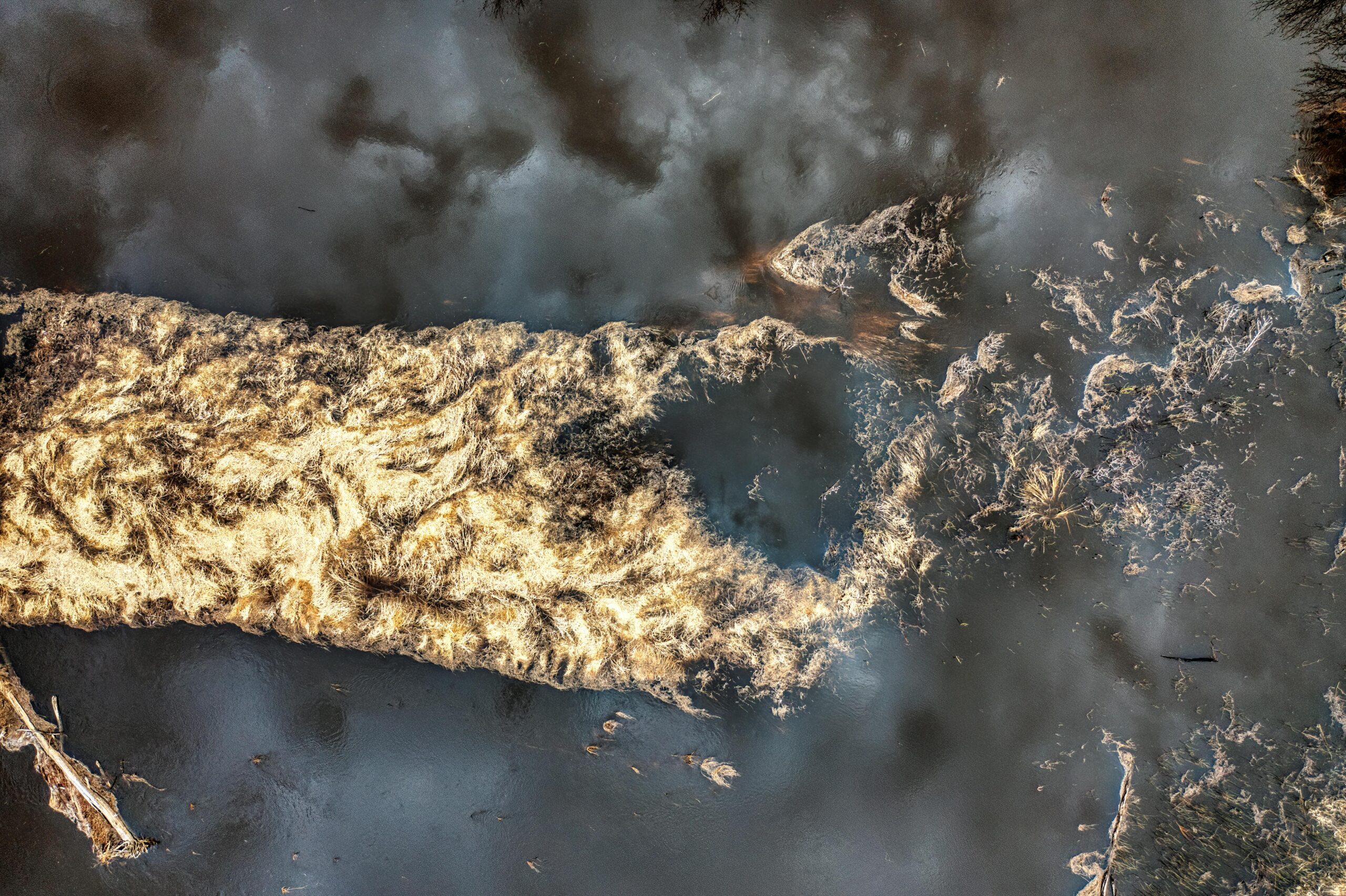
The Path Forward: Balancing Preservation and Protection
Preservatives serve legitimate purposes—preventing food spoilage reduces waste, antimicrobial products limit disease transmission, and stable cosmetics ensure consumer safety. The challenge lies not in eliminating preservation but in achieving it through methods compatible with ecosystem health. This requires integrated approaches combining consumer behavior changes, technological innovation, regulatory reform, and ecosystem restoration.
Transparency about environmental costs helps align market incentives with ecological values. Extended producer responsibility programs require manufacturers to manage product end-of-life, creating financial incentives for environmentally compatible formulations. Environmental impact labeling informs consumers, rewarding companies that invest in sustainability. These market mechanisms complement regulatory standards, accelerating the transition toward aquatic-safe preservation.
Education completes the picture. Understanding connections between daily choices and distant ecosystems motivates behavioral change. When consumers recognize that their shampoo affects river fish, their sunscreen impacts coral reefs, and their food preservatives alter wetland function, abstract environmental concerns become personally relevant. This awareness transforms markets, shapes regulations, and ultimately determines whether aquatic paradise endures or degrades.
The water cycle connects every human action to aquatic ecosystems. Preservatives entering drains today will be affecting fish, frogs, and marine invertebrates tomorrow. By mapping these connections, understanding the impacts, and implementing solutions across scales from individual to international, we can genuinely preserve paradise rather than inadvertently destroying it with the very chemicals meant to protect our daily products. The aquatic world’s future depends on choices we make today at sinks, in stores, and through the policies we support.