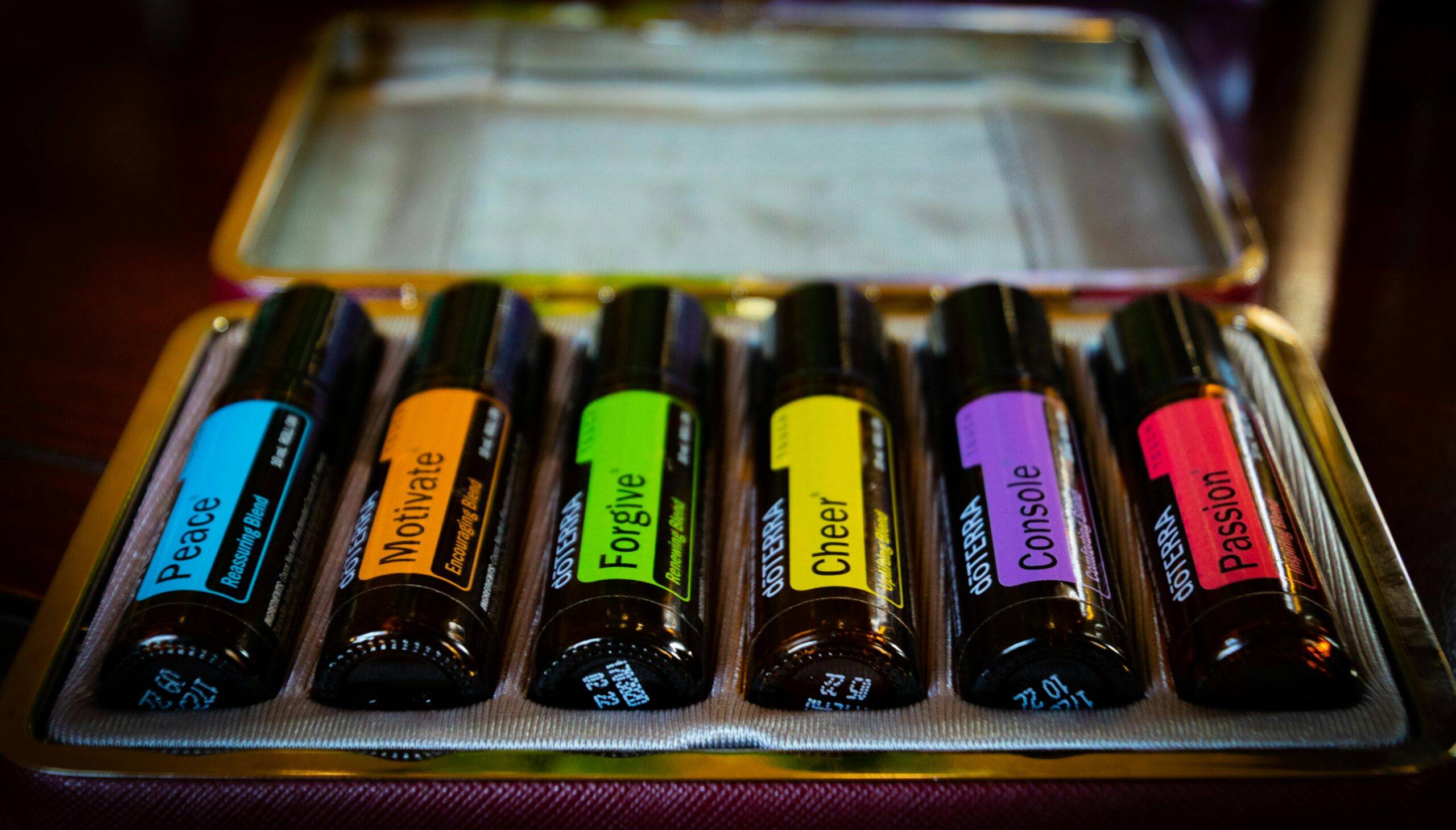
Understanding which ingredients break down naturally in our environment has become essential for conscious consumers seeking truly sustainable products in today’s marketplace.

🌱 What Exactly Is Biodegradability Mapping?
Biodegradability mapping represents a revolutionary approach to understanding how product ingredients interact with natural ecosystems. This comprehensive system analyzes each component within a formulation to determine its environmental breakdown rate, toxicity levels, and overall ecological footprint. Unlike traditional ingredient labels that simply list components, biodegradability mapping provides a visual and data-driven representation of how each substance behaves once it leaves your home and enters waterways, soil, or waste systems.
The concept emerged from growing concerns about persistent chemicals accumulating in our environment. Scientists and environmental advocates recognized that consumers needed better tools to identify truly eco-friendly products beyond vague marketing claims. By creating detailed maps of ingredient biodegradability, manufacturers and consumers alike can make informed decisions that minimize environmental harm while maintaining product effectiveness.
Why Traditional Ingredient Lists Fall Short
Standard ingredient labels follow regulatory requirements that prioritize safety and transparency, but they rarely provide environmental context. A typical product label might list “sodium lauryl sulfate” or “methylisothiazolinone” without indicating whether these substances break down quickly in nature or persist for decades, potentially harming aquatic life and contaminating water supplies.
The challenge intensifies because chemical names often mask environmental implications. Many ingredients sound technical and harmless but may bioaccumulate in food chains or disrupt endocrine systems in wildlife. Traditional labels also fail to account for synergistic effects—how multiple ingredients interact once mixed in environmental settings—making it nearly impossible for average consumers to assess true ecological impact.
The Hidden Environmental Costs
Research consistently demonstrates that household and personal care products contribute significantly to water pollution. Substances like microplastics, synthetic fragrances, and certain preservatives pass through wastewater treatment facilities largely unchanged, entering rivers, lakes, and oceans where they accumulate over time. Without biodegradability information, consumers unknowingly purchase products that contribute to this pollution cycle.
🔍 How Biodegradability Mapping Actually Works
The mapping process begins with comprehensive chemical analysis. Each ingredient undergoes testing using standardized protocols that simulate natural environmental conditions. Scientists measure breakdown rates under various scenarios—aerobic digestion, anaerobic conditions, photodegradation, and hydrolysis—to understand how substances behave in different ecosystems.
Testing typically follows established methods like OECD guidelines for biodegradability assessment. These protocols measure the percentage of a substance that converts to carbon dioxide, water, and biomass within specific timeframes. Results classify ingredients into categories: readily biodegradable, inherently biodegradable, or persistent. This classification forms the foundation of biodegradability maps.
Creating Visual Representations
Once testing completes, data transforms into accessible visual formats. Some systems use color-coding schemes where green indicates rapidly biodegradable ingredients, yellow shows moderately degradable substances, and red highlights persistent chemicals. Others employ percentage scales or time-based metrics showing expected breakdown duration under typical environmental conditions.
Advanced mapping systems incorporate additional factors beyond basic biodegradability. These comprehensive assessments evaluate aquatic toxicity, bioaccumulation potential, and whether breakdown products remain harmful. The most sophisticated maps provide complete lifecycle analysis, tracking ingredients from production through disposal and environmental integration.
Decoding Your Product Labels With Biodegradability Intelligence
Armed with biodegradability mapping knowledge, consumers can transform how they read ingredient lists. Start by identifying categories of ingredients based on their chemical structure. Certain molecular patterns indicate likely environmental behavior before consulting detailed maps.
Plant-derived ingredients generally biodegrade more readily than synthetic alternatives, though exceptions exist. Ingredients ending in “-ose” like glucose and cellulose typically break down quickly. Simple fatty acids and amino acids also degrade efficiently. Conversely, ingredients containing multiple benzene rings, silicon-oxygen bonds, or halogenated carbons often persist longer in environments.
Red Flags in Common Products
Several ingredient categories consistently score poorly on biodegradability assessments. Quaternary ammonium compounds, commonly found in fabric softeners and disinfectants, demonstrate significant environmental persistence and aquatic toxicity. Synthetic musks used in fragrances accumulate in fatty tissues of aquatic organisms. Certain UV filters in sunscreens damage coral reefs even at low concentrations.
Silicones present particular complexity. While not acutely toxic, cyclic siloxanes like D4 and D5 persist in environments and bioaccumulate. Linear silicones break down more readily but still require extended timeframes. Products containing these ingredients may feel luxurious but carry hidden environmental costs that biodegradability mapping reveals.
🌊 Real-World Impact: From Shower to Stream
Understanding the journey of ingredients from your bathroom to natural waterways illustrates why biodegradability matters. When you rinse shampoo down the drain, those chemicals travel through pipes to wastewater treatment facilities. While these plants remove many contaminants, they weren’t designed to eliminate every synthetic compound invented in recent decades.
Treated wastewater discharged into rivers contains residual chemicals that standard treatment processes cannot capture. Studies detecting pharmaceuticals, personal care product ingredients, and household chemicals in drinking water sources demonstrate this reality. Fish exposed to these chemical cocktails exhibit reproductive abnormalities, behavioral changes, and compromised immune systems.
The Bioaccumulation Crisis
Persistent chemicals concentrate as they move up food chains through a process called biomagnification. Tiny aquatic organisms absorb these substances, small fish consume numerous contaminated organisms, larger fish eat many smaller fish, and apex predators—including humans—ultimately consume the most concentrated doses. Biodegradability mapping helps identify which ingredients fuel this dangerous cycle.
Industry Response and Green Chemistry Innovation
Forward-thinking companies increasingly embrace biodegradability mapping as both ethical imperative and competitive advantage. Brands committed to environmental leadership reformulate products based on mapping insights, replacing persistent chemicals with innovative alternatives that maintain performance while degrading safely.
Green chemistry principles guide this reformulation process. Scientists design new molecules with environmental fate considered from initial conception. Techniques like incorporating ester linkages create intentional weak points where enzymes can break molecular bonds. Using biomimicry, chemists develop synthetic ingredients that mirror natural compounds already processed efficiently by environmental microorganisms.
Certification Programs and Standards
Several third-party certifications now incorporate biodegradability requirements into their standards. Programs like EPA Safer Choice, EU Ecolabel, and Nordic Swan evaluate products holistically, including ingredient biodegradability alongside toxicity and sustainability metrics. These certifications provide consumers with reliable shortcuts when biodegradability mapping isn’t available for specific products.
🛍️ Practical Shopping Strategies Using Biodegradability Insights
Translating biodegradability knowledge into purchasing decisions requires developing new shopping habits. Begin by researching brands that publish detailed ingredient information including environmental data. Companies committed to transparency often provide biodegradability assessments on websites even when regulations don’t require such disclosure.
Prioritize products with shorter ingredient lists containing recognizable components. Complexity doesn’t guarantee effectiveness but often introduces more environmental unknowns. Simple formulations using well-studied ingredients reduce ecological uncertainty while frequently costing less and performing adequately for most applications.
Category-Specific Recommendations
Cleaning products present significant opportunities for choosing biodegradable alternatives. Look for plant-based surfactants like coco-glucoside instead of alkylphenol ethoxylates. Select products with enzymes and citric acid rather than phosphates and chlorine bleach. Many effective cleaning formulations now use ingredients that biodegrade within days rather than persisting for months.
Personal care products require more nuanced evaluation. Seek shampoos and body washes using biodegradable surfactants like sodium coco-sulfate. Avoid products listing “fragrance” or “parfum” without further specification, as these terms often hide persistent synthetic musks. Choose mineral-based sunscreens with non-nano zinc oxide or titanium dioxide instead of chemical filters like oxybenzone.
Technology Tools for Biodegradability Assessment
Several smartphone applications now help consumers evaluate product ingredients in real-time while shopping. These tools allow scanning barcodes or searching product names to access databases containing biodegradability information, toxicity ratings, and sustainability scores. This technology democratizes access to environmental intelligence previously available only to researchers and industry professionals.
Educational platforms and websites compile biodegradability data for thousands of common ingredients. Resources like the EPA CompTox Chemicals Dashboard provide free access to environmental fate data including biodegradation studies. The European Chemicals Agency ECHA database offers similar information for substances registered under REACH regulations, creating transparency around chemical environmental impacts.
🔬 The Science Behind Different Biodegradation Pathways
Environmental breakdown occurs through multiple mechanisms, each relevant to different disposal scenarios. Aerobic biodegradation requires oxygen and typically happens in surface waters, well-oxygenated soils, and aerobic wastewater treatment. This process generally proceeds faster than alternatives, with microorganisms efficiently metabolizing many organic compounds.
Anaerobic digestion occurs in oxygen-depleted environments like deep sediments, landfills, and anaerobic wastewater treatment tanks. Some compounds resistant to aerobic breakdown degrade anaerobically, while others persist indefinitely without oxygen. Understanding both pathways proves essential for complete biodegradability assessment.
Photodegradation and Hydrolysis
Sunlight breaks down certain chemicals through photodegradation, particularly important in surface waters and on exposed surfaces. Ultraviolet radiation provides energy that cleaves chemical bonds, fragmenting molecules into smaller pieces. However, photodegradation sometimes creates breakdown products more toxic than original compounds, complicating environmental assessment.
Hydrolysis involves water molecules breaking chemical bonds without biological assistance. This abiotic process depends on pH, temperature, and molecular structure. Esters and amides typically hydrolyze relatively quickly, while ethers and carbon-carbon bonds resist hydrolytic breakdown. Hydrolysis often represents the first step in multi-stage degradation processes.
Common Misconceptions About Biodegradable Ingredients
The term “biodegradable” suffers from widespread misunderstanding and deliberate misrepresentation. Many consumers assume anything labeled biodegradable breaks down quickly and harmlessly, but reality proves far more complex. Regulations defining biodegradability vary globally, allowing products that degrade only under specific industrial composting conditions to carry biodegradable claims while persisting indefinitely in natural environments.
Natural origin doesn’t guarantee rapid biodegradation. Some plant-derived ingredients resist breakdown more stubbornly than certain synthetic alternatives. Conversely, synthetic doesn’t automatically mean persistent—many laboratory-designed molecules degrade faster than natural counterparts because chemists engineered biodegradability into their structure.
The Timeframe Question
Biodegradation speed varies enormously. “Readily biodegradable” substances typically break down within 28 days under testing conditions, but “biodegradable” without qualifiers might take months or years. This distinction matters tremendously for environmental impact. Substances requiring months to degrade can accumulate to harmful concentrations even though they eventually break down.
💡 Future Developments in Biodegradability Science
Emerging technologies promise more sophisticated environmental assessment tools. Artificial intelligence now predicts ingredient biodegradability based on molecular structure, accelerating screening without requiring extensive laboratory testing for every substance. Machine learning models trained on thousands of existing biodegradation studies achieve impressive accuracy, potentially reducing reliance on animal testing while improving environmental protection.
Researchers develop standardized methods for assessing biodegradability in diverse environmental compartments. Current protocols focus heavily on aquatic systems, but ingredients also enter soils, sediments, and atmospheric particles. Comprehensive assessment across all environmental media will provide more complete understanding of true ecological impact.
Taking Action: Your Role in the Biodegradable Revolution
Individual consumer choices aggregate into powerful market signals that drive industry transformation. Each biodegradable product purchased demonstrates demand for environmental responsibility, encouraging manufacturers to invest in sustainable formulation. Conversely, avoiding products with persistent ingredients sends clear messages about unacceptable environmental costs.
Advocacy amplifies individual impact. Contact favorite brands requesting ingredient biodegradability information and expressing willingness to pay modest premiums for truly eco-friendly alternatives. Support legislation requiring standardized biodegradability labeling, making environmental information accessible without requiring scientific expertise or extensive research.

🌍 Building a Truly Sustainable Future Through Informed Choices
Biodegradability mapping represents more than consumer convenience—it embodies a fundamental shift toward environmental accountability throughout product lifecycles. As this approach gains adoption, market dynamics will increasingly favor ingredients that integrate safely back into natural systems rather than accumulating as persistent pollutants.
The transition toward biodegradable ingredients requires collective effort spanning consumers, manufacturers, researchers, and policymakers. Consumers provide market pressure and demand for transparency. Manufacturers innovate formulations balancing performance with environmental compatibility. Scientists develop improved assessment methods and novel biodegradable ingredients. Policymakers establish standards ensuring meaningful environmental claims.
Understanding biodegradability mapping empowers you to make purchasing decisions aligned with environmental values. This knowledge transforms overwhelming ingredient lists into actionable intelligence, revealing which products truly deserve “eco-friendly” designation beyond marketing rhetoric. By prioritizing biodegradable ingredients, you participate in protecting waterways, wildlife, and ultimately human health from persistent chemical contamination.
The power of biodegradability mapping lies in making invisible environmental consequences visible and comprehensible. What washes down your drain today affects ecosystems tomorrow. Armed with mapping insights, you possess the knowledge to minimize your chemical footprint while maintaining quality of life. Every biodegradable choice contributes to cleaner water, healthier ecosystems, and a more sustainable relationship between human activity and the natural world that sustains us all.