Discover the secrets to creating luxurious, skin-nourishing lotions and creams using the cold-process method that ensures stability, elegance, and professional-quality results every time.

🌟 Why Cold-Process Methods Transform Your Skincare Formulations
The cold-process method for making lotions and creams represents a revolutionary approach to cosmetic formulation that preserves the integrity of heat-sensitive ingredients while delivering exceptional stability. Unlike traditional hot-process methods that can degrade valuable botanical extracts and vitamins, cold-process formulations maintain the full potency of every ingredient you carefully select.
When you master cold-process emulsion techniques, you unlock the ability to create professional-grade skincare products in your own kitchen or small-scale production facility. This method offers superior control over texture, absorption rate, and skin feel—qualities that distinguish artisan products from mass-market alternatives.
The beauty of cold-process formulations lies in their simplicity and sustainability. By avoiding excessive heating, you conserve energy, reduce production time, and minimize the risk of ingredient degradation. Your final products retain more antioxidants, essential fatty acids, and therapeutic compounds that make skincare truly transformative.
Understanding the Science Behind Stable Emulsions
Creating a stable emulsion requires understanding the fundamental chemistry of how oil and water interact. Emulsions are inherently unstable systems where two immiscible liquids are forced to coexist through the magic of emulsifiers—molecules with both water-loving (hydrophilic) and oil-loving (lipophilic) properties.
In cold-process formulations, stability depends on selecting the right emulsifier system for your specific formula. Natural emulsifiers like Emulsifying Wax NF, Olivem 1000, or BTMS-25 work by forming a protective barrier around oil droplets suspended in water, preventing them from coalescing and separating.
The Critical Role of HLB Values
The Hydrophilic-Lipophilic Balance (HLB) system provides formulators with a numerical framework for predicting emulsifier performance. HLB values range from 0 to 20, with lower numbers indicating more oil-soluble emulsifiers and higher numbers indicating more water-soluble options.
For most body lotions and face creams, you’ll want emulsifiers or emulsifier blends with HLB values between 8 and 16. This range creates stable oil-in-water emulsions that feel light, absorb readily, and provide excellent moisturization without greasiness.
Essential Ingredients for Cold-Process Formulations
Building your ingredient arsenal with quality components sets the foundation for successful cold-process formulations. Each ingredient category serves specific functions that contribute to stability, efficacy, and sensory appeal.
Emulsifiers: Your Formula’s Foundation
Your choice of emulsifier dramatically impacts texture, stability, and skin feel. Emulsifying Wax NF remains the most popular choice for beginners due to its forgiving nature and reliable performance across various formulas. It creates rich, creamy textures perfect for body butters and intensive hand creams.
For lighter lotions with elegant skin feel, consider Olivem 1000, a natural emulsifier derived from olive oil that creates liquid crystal structures mimicking skin’s own lipid organization. BTMS-25 offers conditioning properties ideal for formulations targeting damaged or mature skin.
Carrier Oils: Nourishment and Texture
Selecting appropriate carrier oils determines your product’s therapeutic benefits and sensory characteristics. Light oils like fractionated coconut oil, sweet almond oil, and grapeseed oil create fast-absorbing lotions suitable for daily use on all skin types.
Richer oils including shea butter, cocoa butter, and avocado oil provide intensive nourishment for dry skin conditions but require careful formulation to avoid heaviness. Combining multiple oils creates complex fatty acid profiles that address diverse skin needs.
Humectants and Hydrators
Humectants draw moisture from the environment into the skin, providing lasting hydration. Vegetable glycerin remains the most accessible option, typically used at 3-5% of total formula weight. Sodium lactate, sodium PCA, and hyaluronic acid offer advanced hydration with elegant skin feel.
These ingredients work synergistically with oils to address both water and lipid deficiencies in the stratum corneum, creating comprehensive moisturization that improves skin barrier function.
📋 Step-by-Step Cold-Process Formulation Protocol
Mastering the cold-process method requires precision, patience, and attention to detail. Following a systematic protocol ensures consistent results batch after batch.
Phase Preparation
Professional formulators organize ingredients into phases based on their solubility and processing requirements. The water phase includes distilled water, humectants, and water-soluble additives. The oil phase contains carrier oils, butters, emulsifiers, and oil-soluble ingredients.
Prepare your water phase by combining distilled water with glycerin and any water-soluble extracts. Mix your oil phase by melting solid emulsifiers and butters with liquid oils using a double boiler or low-temperature water bath, keeping temperatures below 75°C (167°F) to preserve ingredient integrity.
Temperature Synchronization
The critical success factor in cold-process emulsification involves achieving temperature harmony between your water and oil phases. Both phases should reach approximately the same temperature—ideally between 40-50°C (104-122°F)—before combining.
Use reliable thermometers to monitor both phases carefully. Temperature discrepancies greater than 5°C can result in unstable emulsions that separate during cooling or storage.
Emulsification Technique
With both phases at matching temperatures, slowly pour the oil phase into the water phase while mixing continuously. Use an immersion blender or stick blender to create shear force that disperses oil droplets throughout the water phase.
Blend for 30-60 seconds in short bursts to avoid incorporating excessive air. You’ll notice the mixture transform from translucent to opaque white as the emulsion forms. Continue blending until the texture appears uniform and smooth.
Advanced Stabilization Strategies for Professional Results
Creating emulsions that remain stable through temperature fluctuations, time, and varying storage conditions requires implementing multiple stabilization strategies beyond basic emulsification.
Co-Emulsifiers for Enhanced Stability
Incorporating co-emulsifiers alongside your primary emulsifier significantly improves long-term stability. Cetyl alcohol and cetearyl alcohol function as both thickeners and co-emulsifiers, creating denser emulsion structures resistant to separation.
These fatty alcohols also contribute to luxurious texture and enhanced moisturization. Use them at 1-3% of total formula weight for optimal results without excessive thickness.
Electrolyte Management
Water-soluble salts and charged ingredients can destabilize emulsions by disrupting the electrical charges that keep oil droplets separated. When incorporating ingredients like sodium lactate, allantoin, or botanical extracts containing minerals, test stability rigorously.
If stability issues arise, consider reducing electrolyte concentration, adjusting pH, or increasing emulsifier percentage to compensate for destabilizing effects.
pH Optimization
The pH of your finished product influences stability, preservation, and skin compatibility. Most skin-friendly lotions and creams maintain pH between 4.5 and 6.0, matching skin’s slightly acidic nature.
Measure pH after your emulsion cools to room temperature, as pH readings change with temperature. Adjust using small amounts of lactic acid to lower pH or sodium bicarbonate solution to raise it, testing after each adjustment.
🛡️ Preservation: Protecting Your Creations
Unpreserved lotions and creams containing water provide ideal breeding grounds for bacteria, yeast, and mold. Proper preservation isn’t optional—it’s essential for product safety and longevity.
Broad-Spectrum Preservative Systems
Select preservatives offering broad-spectrum protection against multiple microorganism types. Popular natural options include Leucidal Liquid SF, Geogard ECT, and AMTicide Coconut. Synthetic alternatives like Phenonip and Germall Plus provide robust protection at lower usage rates.
Always follow manufacturer guidelines for usage rates, typically 0.5-1% of total formula weight. Add preservatives during the cool-down phase when temperatures drop below 40°C (104°F) to maintain their effectiveness.
Antioxidants for Extended Shelf Life
While preservatives protect against microbial contamination, antioxidants prevent oxidative rancidity in oils. Vitamin E (tocopherol), rosemary oleoresin extract, and mixed tocopherols extend shelf life by neutralizing free radicals that degrade oils.
Incorporate antioxidants into your oil phase at 0.1-0.5% concentration for optimal protection without impacting texture or absorption.
Troubleshooting Common Formulation Challenges
Even experienced formulators encounter occasional stability issues. Understanding common problems and their solutions accelerates your mastery of cold-process techniques.
Separation and Breaking
If your emulsion separates with oil floating to the surface, the issue typically involves insufficient emulsifier, temperature mismatches during mixing, or incompatible ingredients. Increase emulsifier percentage by 1-2%, ensure temperature synchronization, and evaluate ingredient compatibility.
Excessive Thickness or Graininess
Overly thick textures usually result from excessive emulsifier or fatty alcohol concentrations. Grainy textures indicate incomplete melting of solid ingredients or crystallization during cooling. Ensure all solid ingredients fully melt before combining phases, and cool formulas gradually at room temperature rather than refrigerating.
Poor Absorption or Greasy Feel
Adjust your oil-to-water ratio, favoring lighter oils over heavy butters for faster absorption. Incorporate silicone alternatives like Coco-Caprylate for dry, powdery after-feel without synthetic ingredients.
Customizing Formulas for Different Skin Types
The versatility of cold-process formulations allows infinite customization for specific skin conditions and preferences.
Dry and Mature Skin Formulations
Increase oil phase concentration to 25-30% of total formula, emphasizing nourishing oils like argan, rosehip seed, and evening primrose. Incorporate ceramides, peptides, and cholesterol to support barrier repair and reduce visible aging signs.
Oily and Acne-Prone Skin Solutions
Create lightweight lotions with 15-20% oil phase using non-comedogenic oils like jojoba, hemp seed, and squalane. Add niacinamide at 3-5% concentration to regulate sebum production and minimize pore appearance.
Sensitive and Reactive Skin Care
Minimize ingredient lists, selecting proven gentle components like oat extract, calendula, and bisabolol. Avoid essential oils and fragrances that commonly trigger sensitivity reactions.
Quality Control and Testing Protocols ✅
Implementing systematic quality control ensures every batch meets safety and performance standards.
Stability Testing
Conduct accelerated stability testing by storing samples at elevated temperatures (40-45°C) for two weeks, then evaluating for separation, color changes, or off-odors. Compare against control samples stored at room temperature.
Microbial Challenge Testing
For products intended for sale, professional microbial challenge testing verifies preservative effectiveness. Testing laboratories introduce specific microorganisms and monitor whether your preservative system successfully eliminates them.
pH Monitoring
Check pH immediately after production and again after one week to ensure stability. Significant pH shifts indicate potential formulation issues requiring adjustment.
Packaging Considerations for Maximum Stability
Your carefully crafted formula deserves packaging that maintains its integrity throughout its shelf life. Airless pump bottles provide superior protection against oxidation and contamination compared to jar packaging.
Choose opaque or amber containers to shield light-sensitive ingredients from degradation. Ensure all packaging components are compatible with your formula’s pH and ingredient profile.
Scaling Up: From Kitchen to Small-Batch Production
As your formulation skills develop, you may consider small-scale commercial production. Scaling requires maintaining precise ratios while adjusting equipment and techniques for larger volumes.
Invest in quality mixing equipment capable of creating consistent emulsions in 1-5 kilogram batches. Implement standard operating procedures documenting every step to ensure batch-to-batch consistency.
🎨 The Art of Sensory Design
Beyond functional performance, exceptional lotions and creams delight users through carefully orchestrated sensory experiences. Texture, scent, and visual appeal distinguish memorable products from forgettable commodities.
Experiment with different emulsifier combinations to achieve specific textures—from fluffy whipped creams to silky lotions that glide effortlessly across skin. Consider adding natural colorants like mica or plant-based pigments for visual interest.
When incorporating fragrance, whether essential oils or fragrance oils, limit total concentration to 0.5-1% to avoid irritation while creating pleasant aromatic experiences.
Building Your Formulation Skills Through Practice
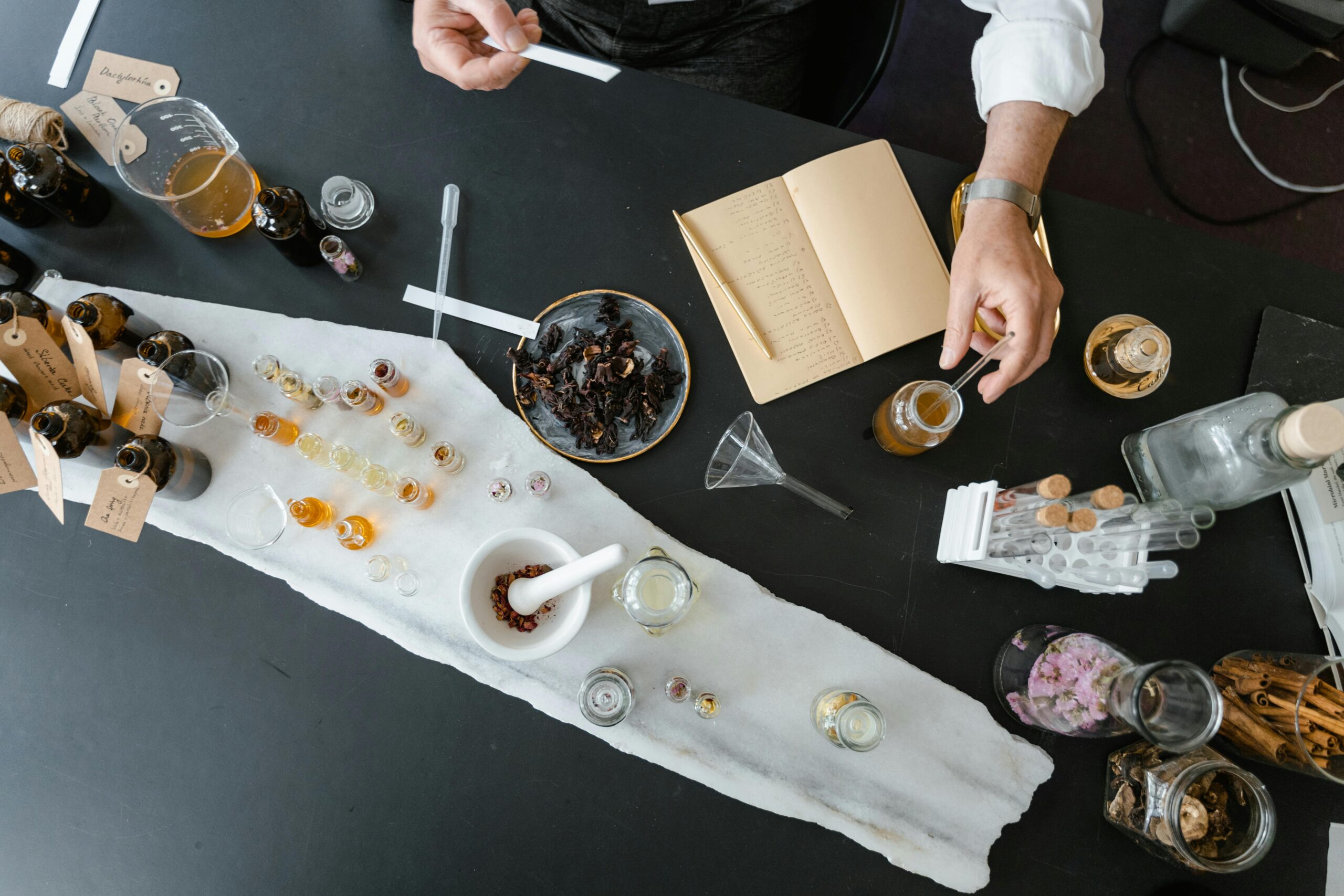
Mastery of cold-process formulation develops through deliberate practice and systematic experimentation. Start with simple three-ingredient formulas—water, emulsifier, and oil—before progressing to complex multi-phase formulations.
Keep detailed formulation journals documenting ingredient percentages, processing temperatures, mixing times, and observations about texture and stability. This practice accelerates learning and helps identify patterns leading to success or failure.
Join online formulation communities where experienced makers share knowledge, troubleshoot challenges, and inspire creativity. The collective wisdom of passionate formulators provides invaluable support for your learning journey.
Creating stable, luxurious cold-process lotions and creams represents both science and art—a rewarding practice that transforms simple ingredients into skincare treasures that nourish, protect, and delight. With proper technique, quality ingredients, and persistent practice, you’ll master this craft and create products that rival professional formulations while expressing your unique creative vision.