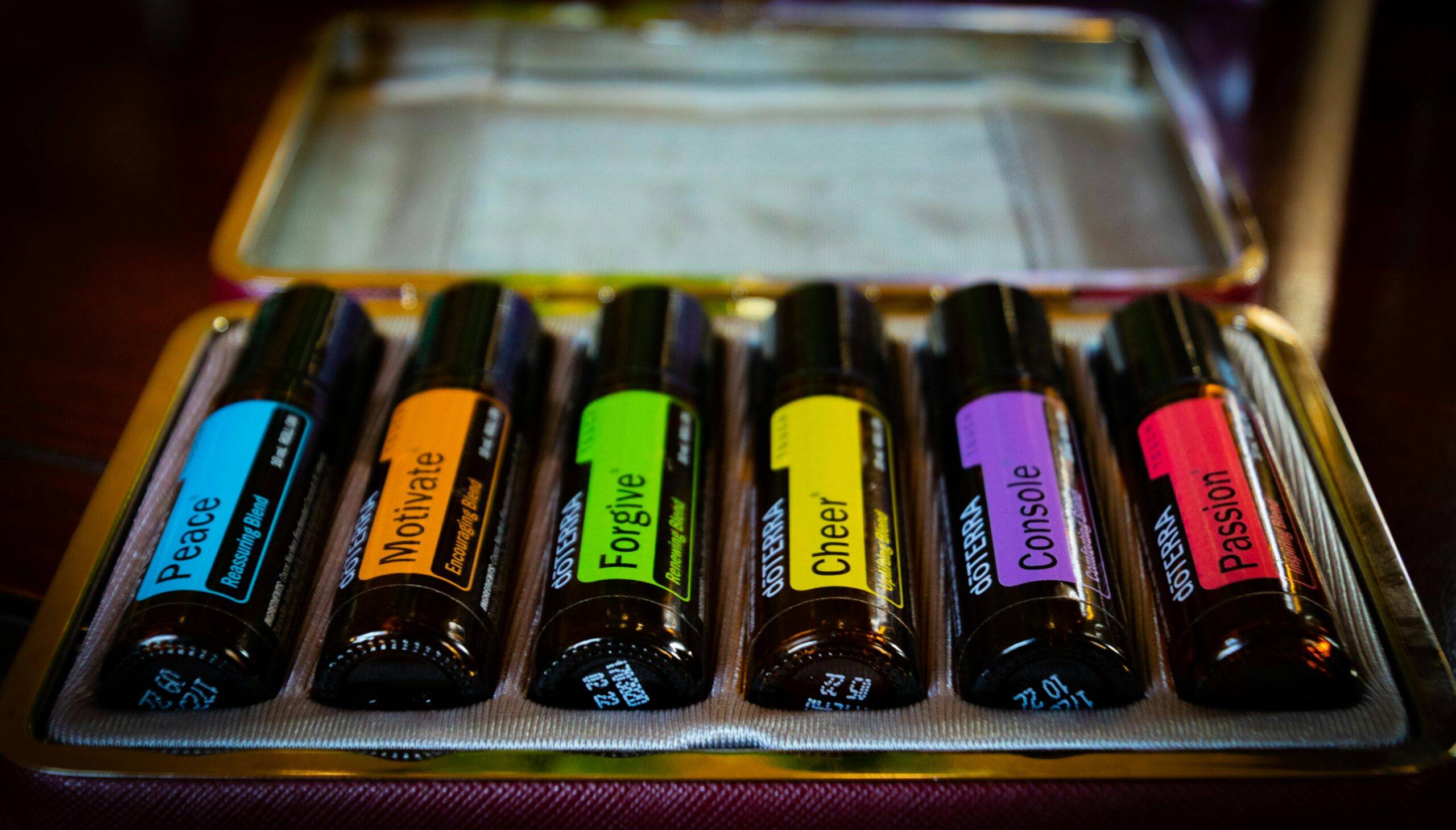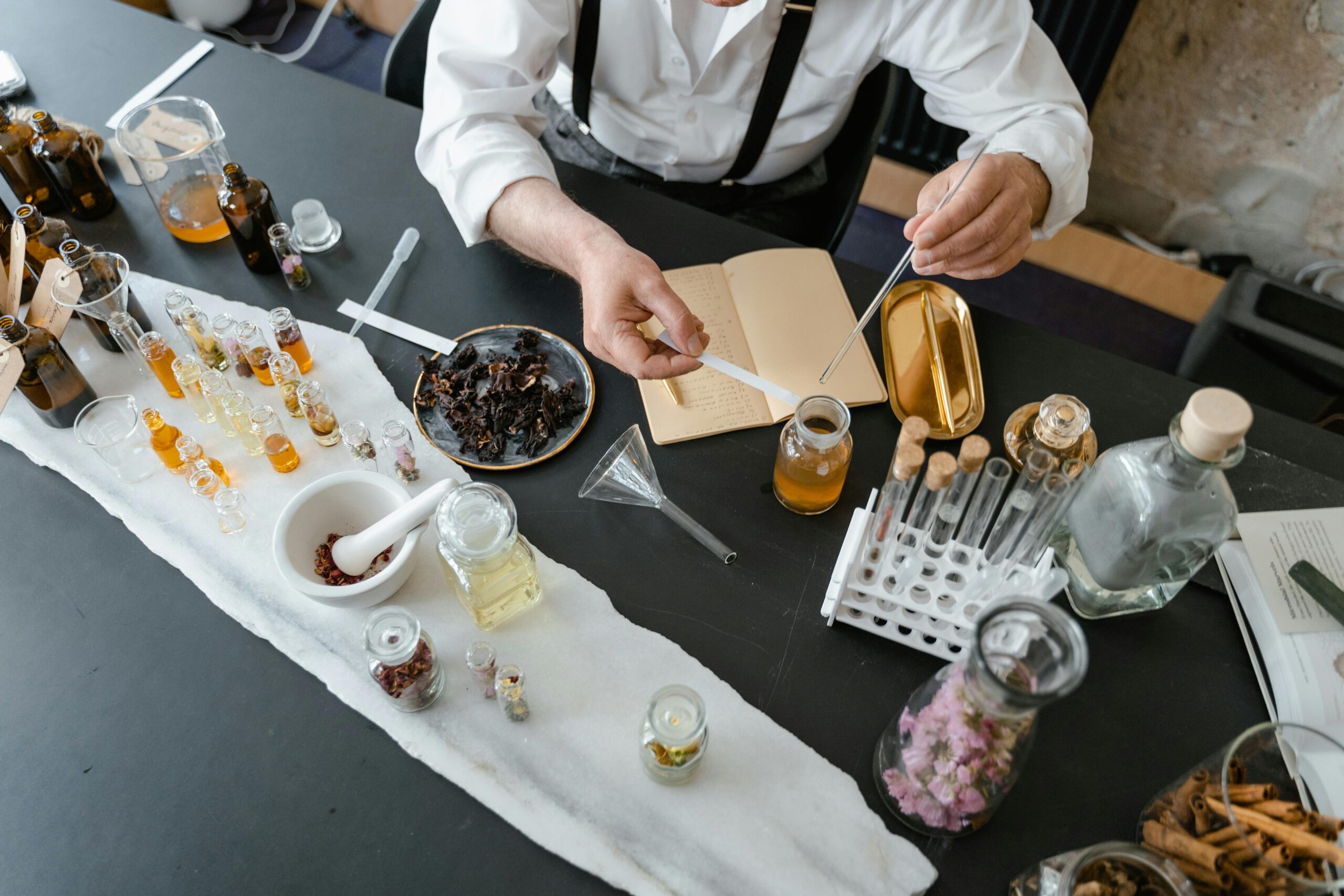
The beauty industry is experiencing a revolutionary shift toward sustainability, where green glamour meets conscious consumerism through innovative packaging solutions that protect both products and our planet.

🌿 The Rising Tide of Eco-Conscious Beauty
Today’s beauty consumers are no longer satisfied with just effective products—they demand transparency, sustainability, and environmental responsibility from the brands they support. The cosmetics industry generates over 120 billion units of packaging annually, with much of it ending up in landfills or oceans. This staggering reality has sparked a movement toward sustainable packaging that’s reshaping how we think about beauty products.
Sustainable packaging in cosmetics isn’t just a trend; it’s becoming the new standard. From independent indie brands to global beauty giants, companies are reimagining their packaging strategies to minimize environmental impact while maintaining the luxurious appeal that consumers expect. This transformation represents a fundamental shift in how the beauty industry operates and communicates its values.
Understanding Sustainable Packaging Materials
The foundation of eco-friendly cosmetics begins with material selection. Traditional plastic packaging, derived from petroleum, takes hundreds of years to decompose and often contains harmful chemicals that can leach into products and ecosystems. Sustainable alternatives are changing this narrative entirely.
Biodegradable and Compostable Options
Biodegradable materials break down naturally through microbial action, returning to the earth without leaving toxic residues. In cosmetics packaging, this includes materials like bamboo, paper, cardboard, and certain plant-based plastics. Bamboo, for instance, grows incredibly fast without pesticides and creates sturdy, elegant packaging for everything from lipstick tubes to cream jars.
Compostable packaging takes this concept further by breaking down into nutrient-rich compost under specific conditions. Materials like PLA (polylactic acid), derived from corn starch or sugarcane, offer the durability of conventional plastic while being fully compostable in industrial facilities. These innovations allow brands to maintain product integrity while dramatically reducing their environmental footprint.
Recycled and Recyclable Materials ♻️
Post-consumer recycled (PCR) materials give new life to existing plastics, reducing the demand for virgin petroleum-based materials. Glass containers made from recycled glass, aluminum packaging from recycled sources, and plastics incorporating PCR content demonstrate how circular economy principles can work in practice.
The key distinction between recyclable and recycled is crucial. While recyclable materials can theoretically be processed into new products, recycled materials have already completed that journey. Forward-thinking brands are incorporating both, creating packaging that uses recycled content and remains easily recyclable for future cycles.
Innovative Packaging Designs Redefining Beauty Standards
Sustainable packaging isn’t just about materials—it’s about rethinking design from the ground up. Minimalist approaches reduce material usage while creating sleek, modern aesthetics that appeal to contemporary consumers. Less truly becomes more when thoughtful design eliminates unnecessary layers and components.
Refillable and Reusable Systems
Perhaps the most impactful innovation in sustainable cosmetics packaging is the shift toward refillable systems. These designs feature durable outer containers that customers keep and reuse, purchasing only refill cartridges or pods when products run out. This approach can reduce packaging waste by up to 70% over a product’s lifecycle.
Luxury brands have embraced this model enthusiastically, creating beautiful compacts and bottles that customers treasure as keepsakes. The emotional connection formed with these permanent pieces encourages long-term brand loyalty while dramatically cutting waste. From foundation compacts to perfume bottles, refillable options are becoming increasingly sophisticated and user-friendly.
Solid Beauty Products Eliminating Packaging
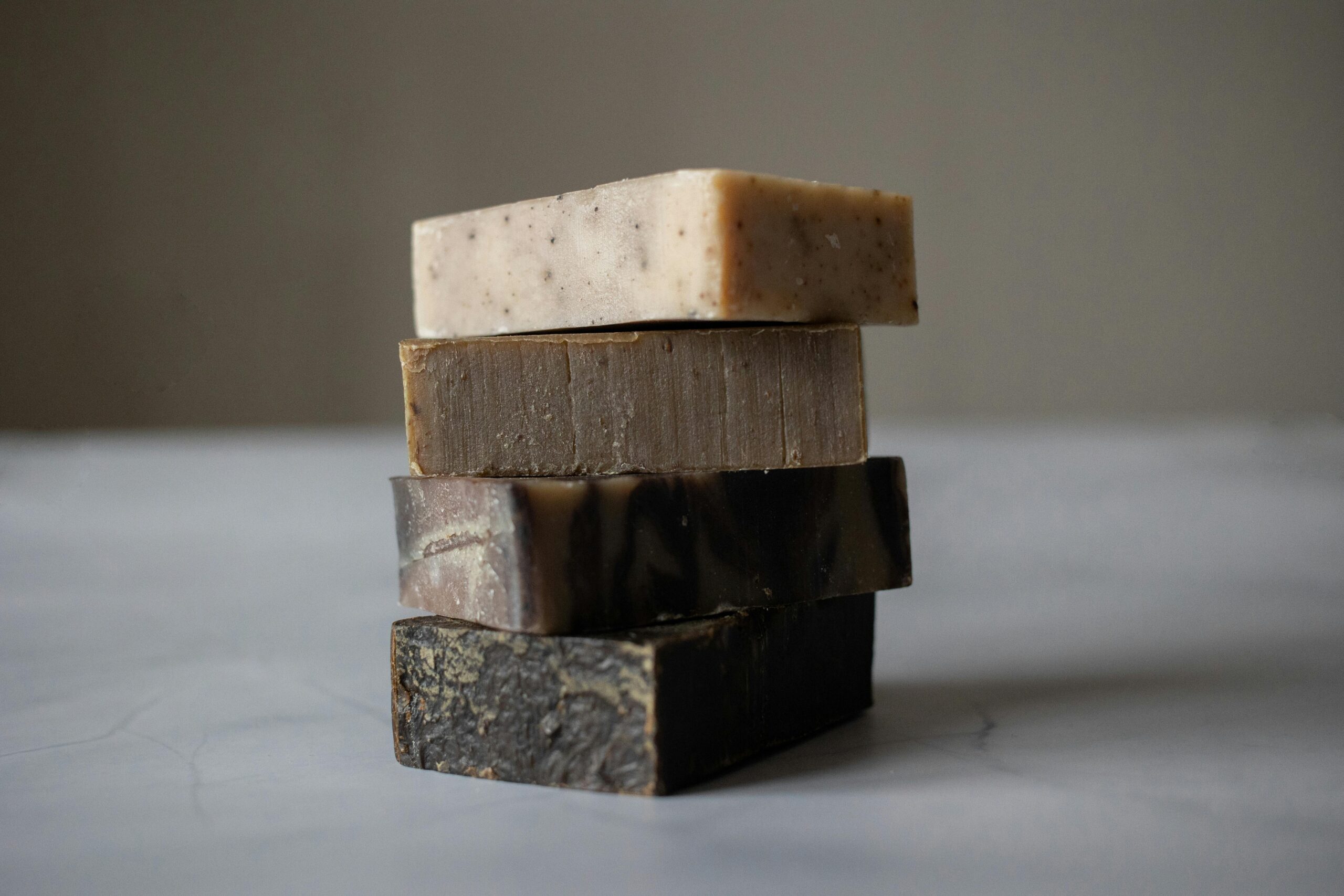
Shampoo bars, solid cleansers, and concentrated beauty bars represent the ultimate in packaging reduction. These products eliminate the need for plastic bottles entirely, often requiring only minimal paper or compostable wrapping. Beyond the environmental benefits, solid products offer practical advantages like travel-friendliness and concentrated formulas that last longer than liquid alternatives.
The Science Behind Sustainable Package Protection
One common misconception about eco-friendly packaging is that it can’t adequately protect sensitive cosmetic formulations. Modern sustainable materials have evolved significantly, offering excellent barrier properties against light, oxygen, and moisture—the primary enemies of cosmetic stability.
Airless pump technology, now available in sustainable formats, extends product shelf life without preservatives by preventing air exposure. Dark glass containers protect light-sensitive ingredients like vitamin C and retinol. Plant-based plastics can be engineered to provide specific barrier properties matching or exceeding traditional materials.
Brands must balance sustainability with product efficacy, ensuring that green packaging choices don’t compromise formulation integrity. This requires rigorous testing and often innovative solutions like protective inner linings made from biodegradable materials or nitrogen flushing during packaging to extend freshness naturally.
🌍 The Real Impact: Numbers That Matter
Understanding the environmental implications of packaging choices helps contextualize why sustainable alternatives matter so profoundly. Consider these compelling statistics:
- Traditional plastic packaging can take 400-1000 years to decompose in landfills
- Glass is infinitely recyclable without quality loss, yet only 33% of glass cosmetic containers are actually recycled
- Aluminum recycling saves 95% of the energy required to produce new aluminum from raw materials
- Refillable packaging systems can reduce carbon emissions by up to 80% compared to single-use alternatives
- Biodegradable packaging can decompose in 3-6 months under proper conditions versus centuries for conventional plastics
These figures illustrate not just environmental benefits but also the energy and resource efficiency gains that sustainable packaging delivers. When multiplied across millions of units, even small improvements create massive positive impacts.
Navigating Certifications and Green Claims
The proliferation of sustainability claims in cosmetics packaging can overwhelm consumers trying to make informed choices. Understanding legitimate certifications helps separate genuine commitment from greenwashing—the practice of making misleading environmental claims.
Trusted Eco-Certifications
Several reputable third-party certifications verify sustainability claims. The Forest Stewardship Council (FSC) certification ensures paper and cardboard come from responsibly managed forests. Cradle to Cradle certification evaluates materials across multiple sustainability dimensions, from material health to social fairness.
The How2Recycle label provides clear, standardized instructions about package recyclability, helping consumers properly dispose of materials. The Leaping Bunny certification confirms cruelty-free practices, while various organic certifications verify natural ingredient sourcing. These seals offer assurance that brands meet verified standards rather than self-proclaimed environmental friendliness.
Brand Leadership in Sustainable Packaging Innovation
Several cosmetics companies are leading the charge toward truly sustainable packaging, demonstrating that environmental responsibility and commercial success aren’t mutually exclusive.
Some independent brands have built their entire identity around zero-waste principles, offering products in compostable packaging or package-free formats. These pioneers prove that sustainability can be a core brand differentiator that attracts passionate customer communities.
Meanwhile, major beauty corporations are leveraging their scale to drive industry-wide change. When large companies commit to using recycled ocean plastic, eliminating virgin plastics, or developing innovative biodegradable materials, they create ripple effects throughout supply chains. Their research investments and purchasing power accelerate the availability and affordability of sustainable options for smaller brands.
Consumer Role in the Sustainable Packaging Ecosystem 💚
While brands bear primary responsibility for packaging choices, consumers play a crucial role in closing the sustainability loop. Purchasing decisions signal market demand, encouraging more companies to adopt eco-friendly practices. Beyond buying choices, proper disposal and participation in recycling programs ensure that sustainable materials fulfill their environmental promise.
Making Informed Purchasing Decisions
Consumers can prioritize brands demonstrating genuine sustainability commitment through transparent communication about materials, manufacturing processes, and environmental impact. Looking beyond surface-level green marketing to understand actual practices helps reward authentic efforts while discouraging greenwashing.
Supporting refillable systems by actually purchasing refills rather than complete new products maximizes the environmental benefits these systems offer. Choosing concentrated products that last longer reduces overall packaging consumption. Selecting multipurpose products minimizes the total number of items and associated packaging needed.
Proper Disposal and Recycling Practices
Even the most recyclable packaging becomes waste if not properly sorted and processed. Consumers should familiarize themselves with local recycling capabilities, as acceptance varies significantly by region. Rinsing containers before recycling prevents contamination that can ruin entire batches of recycled materials.
Many brands now offer take-back programs, collecting empty containers for proper recycling or repurposing. Participating in these initiatives ensures materials return to productive use rather than ending in landfills. Some programs even offer incentives like discounts or points toward future purchases, making sustainable behavior economically attractive.
Overcoming Challenges in Sustainable Cosmetics Packaging
The transition to sustainable packaging isn’t without obstacles. Cost represents a significant barrier, as eco-friendly materials and innovative designs often carry higher price tags than conventional alternatives, particularly for small brands with limited purchasing power. This cost difference can make sustainable options seem economically prohibitive.
Supply chain limitations present another challenge. Sustainable packaging materials aren’t always available in the quantities or specifications needed, especially for specialized cosmetics applications. Manufacturing equipment designed for traditional materials may require modification or replacement to work with alternatives.
Regulatory compliance adds complexity, as packaging must meet safety and labeling requirements that vary by region. Some sustainable materials face regulatory hurdles or lack established testing protocols for cosmetics applications. Brands must navigate these requirements while innovating toward sustainability.
Solutions Emerging Across the Industry
Collaborative initiatives are addressing these challenges effectively. Industry consortiums share research and development costs, making innovation more accessible to smaller players. Standardized sustainable packaging formats reduce custom design expenses while maintaining brand differentiation through labels and finishes.
Investment in sustainable packaging infrastructure is growing, with new manufacturing facilities dedicated to eco-friendly materials. As production scales increase, costs decrease, making sustainable options increasingly competitive with traditional alternatives. Government incentives and consumer demand further accelerate this economic transition.
The Future of Beauty Packaging Sustainability ✨
Emerging technologies promise even more dramatic advances in sustainable cosmetics packaging. Mushroom-based packaging materials grown from mycelium offer remarkable strength and complete biodegradability. Seaweed-derived films provide moisture barriers while remaining fully compostable. Bacterial cellulose creates materials with properties similar to traditional plastics but without environmental persistence.
Digital integration may transform how we think about packaging entirely. Smart packaging with QR codes or NFC chips can provide detailed product information, usage instructions, and disposal guidance without printed materials. Augmented reality experiences could replace elaborate physical packaging with digital storytelling that doesn’t generate waste.
Packaging-as-a-service models may emerge, where brands retain ownership of containers that circulate through cleaning and refilling systems. This approach, already succeeding in some food and beverage sectors, could revolutionize cosmetics distribution by eliminating single-use packaging entirely.
Building a Truly Circular Beauty Economy
The ultimate goal extends beyond simply making packaging more sustainable—it’s creating a fully circular system where materials continuously cycle without waste or environmental degradation. This vision requires collaboration among brands, consumers, recyclers, and policymakers.
Extended producer responsibility policies place accountability for packaging lifecycle on brands rather than consumers or municipalities. These frameworks incentivize sustainable design by making companies responsible for end-of-life management. As such policies expand globally, they’re reshaping industry practices fundamentally.
Chemical recycling technologies that break plastics down to molecular components for rebuilding into virgin-quality materials offer hope for closing loops on currently difficult-to-recycle packaging. While still emerging, these technologies could eventually eliminate the downcycling that limits mechanical recycling effectiveness.
Empowering Change Through Conscious Choices
The transformation toward sustainable cosmetics packaging represents one of the most significant positive changes happening in the beauty industry today. Every purchase decision, every brand commitment, and every innovation contributes to a larger movement reshaping how we produce and consume beauty products.
Sustainable packaging isn’t about sacrifice or compromise—it’s about reimagining what’s possible when environmental values align with creativity and innovation. The most exciting developments prove that eco-friendly solutions can be more beautiful, more functional, and more aligned with consumer values than the conventional approaches they replace.
As consumers increasingly demand transparency and sustainability, brands responding with authentic commitment aren’t just protecting the environment—they’re building deeper connections with customers who share their values. This alignment creates powerful brand loyalty that transcends transactional relationships, fostering communities united by shared purpose.
The journey toward truly sustainable cosmetics packaging continues evolving, with new materials, technologies, and business models constantly emerging. By staying informed, supporting innovative brands, and participating actively in sustainable practices, everyone can contribute to this transformation. The future of beauty is undeniably green, and that future is being created through choices made today—by brands designing tomorrow’s packaging and consumers deciding which products deserve their support.
Green glamour isn’t a contradiction—it’s the recognition that true beauty encompasses not just how products make us look and feel, but how they treat the world we all share. Sustainable packaging choices represent this philosophy in tangible form, proving that environmental responsibility and luxurious self-care can coexist harmoniously. As this movement grows, it’s redefining beauty standards for a generation that refuses to choose between personal care and planetary care, demanding instead that their cosmetics deliver both.