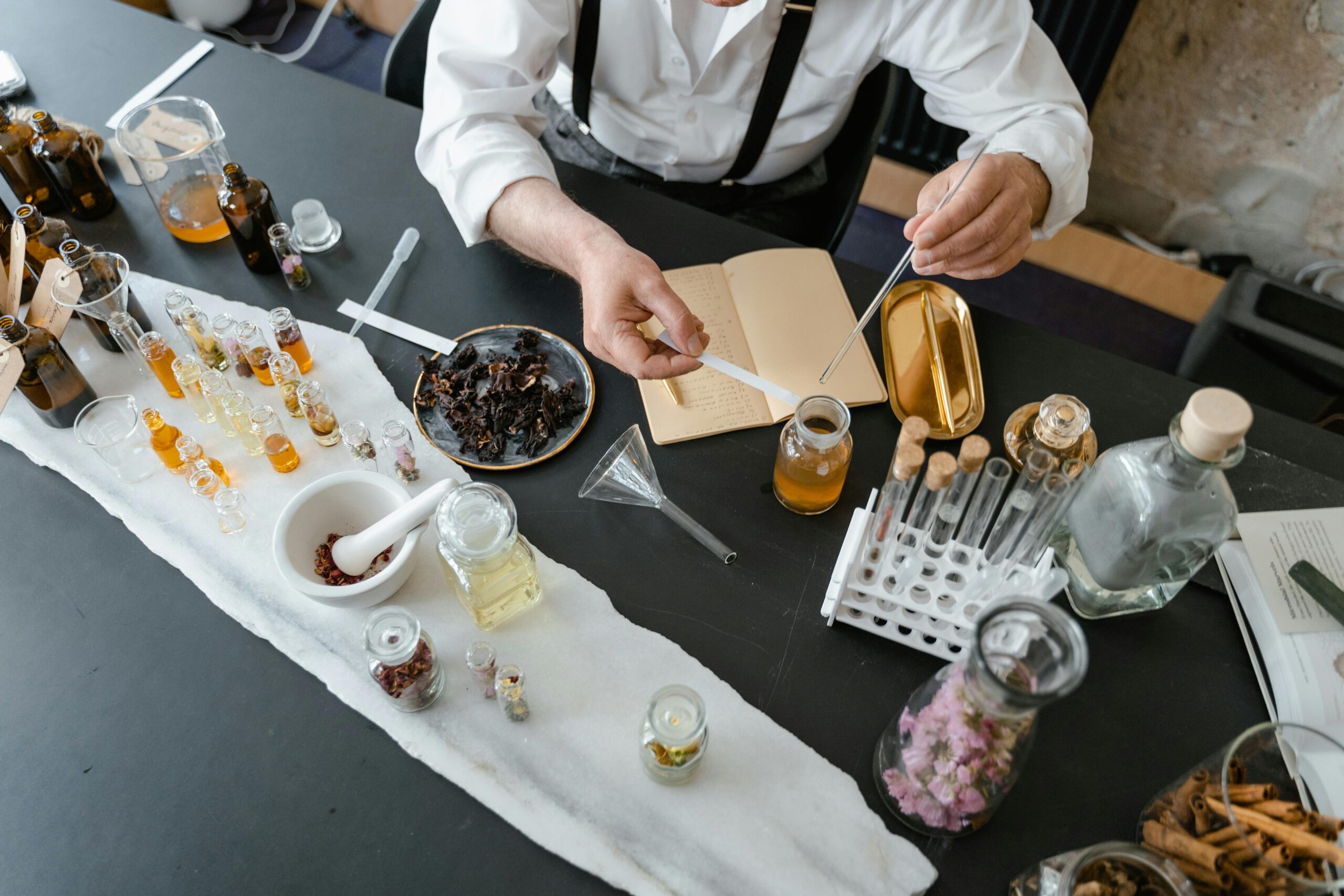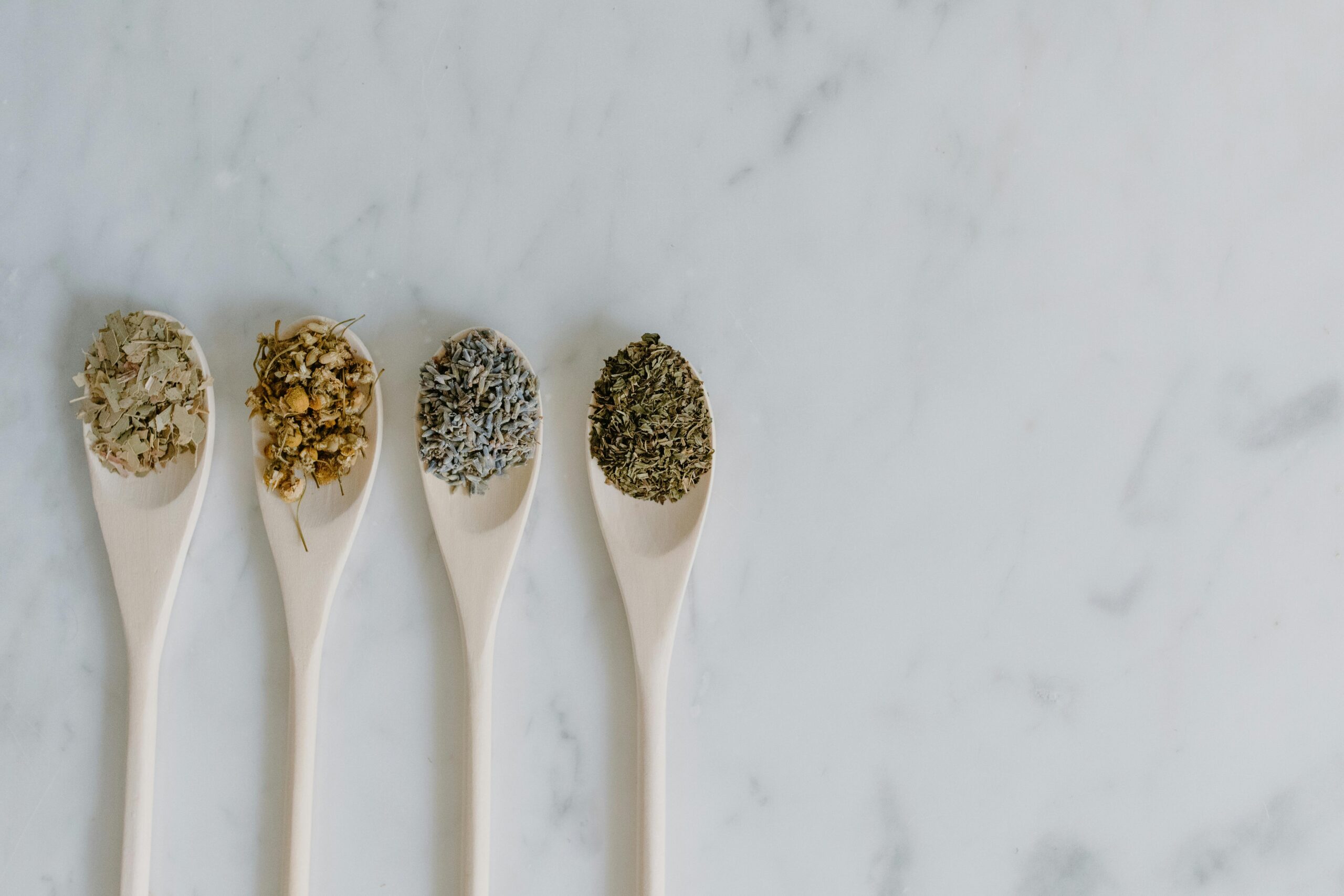
Natural sensory design transforms everyday products by harmonizing slip, cushion, and absorbency through biomimetic principles that honor human comfort and environmental sustainability.

🌿 Understanding the Foundation of Natural Sensory Design
The intersection of biomimicry and material science has revolutionized how we approach product development in the modern era. Natural sensory design isn’t simply about creating products that feel good—it’s about understanding the intricate relationship between human physiology, environmental resources, and functional performance. This holistic approach considers how materials interact with our skin, how they respond to pressure and movement, and how they manage moisture in ways that align with our body’s natural processes.
When we examine nature’s own solutions to slip resistance, cushioning, and moisture management, we discover patterns that have evolved over millions of years. Tree frogs possess toe pads with hexagonal patterns that create optimal friction while maintaining flexibility. Moss compresses and rebounds with remarkable resilience. Desert plants absorb and retain water with extraordinary efficiency. These natural systems provide blueprints for designing products that feel instinctively right to human users.
The sensory experience of comfort involves multiple dimensions working in concert. Tactile perception, thermal regulation, pressure distribution, and moisture management all contribute to whether we perceive a product as comfortable or not. Understanding these interconnected systems allows designers to craft solutions that don’t just meet functional requirements but create genuinely pleasurable experiences.
The Science Behind Slip Resistance and Natural Friction
Slip resistance represents one of the most critical safety and comfort factors in product design, yet achieving the right balance requires sophisticated understanding of surface interactions. Too much friction creates discomfort and wear, while too little compromises stability and control. Natural materials offer insight into optimal friction coefficients that adapt to changing conditions.
Cork, for instance, provides variable friction that increases under pressure—a property that makes it ideal for flooring, yoga mats, and grip surfaces. The cellular structure of cork compresses slightly under load, increasing the contact area and consequently the friction force. This adaptive quality creates a sense of security without the sticky, uncomfortable sensation of synthetic high-friction surfaces.
Bamboo fibers demonstrate another approach to natural slip resistance. The microscopic structure of bamboo creates a subtle texture that enhances grip without feeling abrasive. When incorporated into textiles or composite materials, bamboo provides slip resistance that feels organic and responsive. The hydrophilic nature of bamboo also means that its friction properties remain relatively stable across different humidity conditions.
Biomimetic Surface Patterns for Enhanced Traction
Beyond material selection, surface architecture plays a crucial role in slip resistance. Nature employs geometric patterns at multiple scales to achieve optimal traction. Lotus leaves, famous for their self-cleaning properties, also demonstrate how microscopic surface structures can control liquid behavior and maintain consistent friction characteristics.
Designers increasingly incorporate biomimetic surface patterns into products requiring reliable slip resistance. Hexagonal arrays, reminiscent of honeycomb structures, distribute forces evenly while allowing flexibility. Radial patterns, similar to those found in sunflowers, provide directional control that adapts to movement patterns. These natural geometries aren’t merely aesthetic choices—they represent optimized solutions to complex engineering challenges.
✨ Cushioning Technologies Inspired by Natural Systems
Cushioning extends beyond simple padding; effective cushioning responds dynamically to varying loads, distributes pressure to prevent concentration points, and recovers quickly to maintain performance over time. Natural systems excel at all three requirements, offering valuable lessons for product designers seeking to enhance comfort.
The human heel pad provides perhaps the most relevant example of natural cushioning. Composed of specialized adipose tissue compartments separated by fibrous septa, the heel pad can absorb impacts equivalent to several times body weight while maintaining structural integrity. This compartmentalized architecture prevents lateral displacement of cushioning material while allowing vertical compression—a design principle now replicated in advanced footwear and seating solutions.
Natural latex derived from rubber trees demonstrates exceptional resilience and pressure distribution. Unlike synthetic foams that compress uniformly, natural latex responds proportionally to applied pressure, providing firm support under high loads while remaining soft under light contact. This variable response creates a cushioning experience that feels adaptive and personalized.
Layered Systems for Optimal Pressure Distribution
Nature rarely relies on single materials to achieve complex performance requirements. Instead, natural systems typically employ layered architectures where each layer contributes specific properties to the overall system. The human skin itself exemplifies this approach with its stratified structure providing different mechanical and protective properties at each level.
Modern cushioning systems increasingly adopt this layered philosophy. A firm base layer provides structural support and prevents bottoming out. An intermediate layer distributes pressure across a wider area, reducing localized stress. A soft surface layer conforms to body contours and enhances tactile comfort. When constructed from natural materials like coconut coir, natural latex, and organic cotton, these systems deliver superior comfort while maintaining environmental credentials.
💧 Absorbency and Moisture Management Through Natural Fibers
Moisture management fundamentally impacts comfort across countless product categories—from bedding and apparel to personal care items and athletic equipment. Human skin constantly releases moisture through perspiration, and our comfort depends on materials that can effectively transport moisture away from the body while maintaining appropriate dryness levels.
Natural fibers possess inherent advantages in moisture management due to their cellular structure and chemical composition. Cotton, the most widely used natural fiber, can absorb up to 27 times its weight in water while still feeling relatively dry to the touch. This exceptional absorbency results from the hollow, twisted structure of cotton fibers and their hydrophilic cellulose composition.
Bamboo viscose offers even more impressive moisture management properties. The cross-section of bamboo fiber contains numerous micro-gaps and micro-holes, creating capillary channels that rapidly transport moisture away from skin. These structural features allow bamboo textiles to absorb 40% more moisture than cotton while drying significantly faster. The result is a fabric that keeps users feeling fresh and comfortable even during intense activity.
Balancing Absorbency with Quick-Dry Performance
While high absorbency is desirable in many applications, the rate at which materials release absorbed moisture is equally important. Materials that absorb quickly but dry slowly can become uncomfortably damp and create environments conducive to bacterial growth. Natural fibers that balance absorption with evaporation provide optimal moisture management.
Linen, derived from flax plants, exemplifies this balance. The hollow structure of linen fibers allows rapid moisture absorption, while the fiber’s lower cellulose content compared to cotton enables faster evaporation. Linen textiles feel cool against the skin and maintain comfort across varying humidity conditions—qualities that have made linen a preferred fabric for warm climates for thousands of years.
Hemp fibers present another exceptional option for moisture management. Hemp’s porous nature provides excellent absorbency, while its antimicrobial properties help maintain freshness even when damp. The durability of hemp also means that these moisture management properties persist through repeated washing and extended use.
🔬 Integrating Multiple Sensory Properties in Product Design
The true art of natural sensory design lies not in optimizing individual properties in isolation, but in creating integrated systems where slip resistance, cushioning, and absorbency work synergistically. Products that excel in only one dimension often fail to deliver holistic comfort, while those that balance multiple sensory factors create memorable user experiences.
Consider a yoga mat as an example of integrated sensory design. The surface must provide reliable slip resistance to ensure stability during poses, yet excessive friction would make transitions uncomfortable. The mat needs cushioning to protect joints during floor work, but too much softness compromises balance during standing poses. It should absorb moisture to maintain grip during vigorous practice, yet dry quickly between sessions. Achieving this balance requires careful material selection and architectural design.
Natural cork and rubber yoga mats address these competing requirements through complementary material properties. Cork provides adaptive slip resistance and natural antimicrobial properties, while natural rubber delivers cushioning and durability. The combination creates a mat that performs across diverse yoga styles and intensity levels while maintaining environmental sustainability.
Testing and Validating Natural Sensory Performance
Translating natural sensory principles into reliable products requires rigorous testing methodologies that capture both objective performance metrics and subjective user experiences. Standard tests for coefficient of friction, impact absorption, and moisture vapor transmission provide quantitative benchmarks, but these measurements don’t fully capture human comfort perception.
Leading designers supplement laboratory testing with extensive user trials that assess comfort across realistic use scenarios. Participants rate products on multiple sensory dimensions, providing feedback on initial touch, dynamic performance, temperature regulation, and long-term comfort. This combined approach ensures that products deliver on both measurable specifications and experiential qualities.
🌍 Environmental Benefits of Natural Sensory Materials
The shift toward natural materials for sensory design delivers significant environmental advantages beyond the immediate comfort benefits. Natural fibers and materials typically require less energy-intensive processing than synthetic alternatives, biodegrade at end of life, and can be sourced from renewable agricultural systems that support ecosystem health.
Organic cotton cultivation, when practiced according to certified standards, eliminates synthetic pesticides and fertilizers that contaminate water systems and harm beneficial insects. Natural latex harvesting from rubber trees actually supports forest conservation, as productive rubber plantations provide economic incentives to maintain tree cover rather than clearing land for annual crops.
The biodegradability of natural materials also addresses the growing crisis of textile and product waste. Synthetic materials can persist in landfills for centuries, gradually breaking down into microplastics that contaminate soil and water. Natural materials biodegrade completely, returning nutrients to the soil and completing natural cycles without leaving toxic residues.
Life Cycle Considerations for Sustainable Comfort
True environmental responsibility requires examining the complete product life cycle, from raw material cultivation through manufacturing, use phase, and eventual disposal. Natural materials generally perform well across this analysis, though specific practices significantly influence environmental outcomes.
Regenerative agriculture practices for natural fiber cultivation can actually improve soil health over time, sequestering carbon and enhancing water retention. Processing technologies that minimize chemical inputs and water usage further reduce environmental impact. Design for durability ensures that products remain functional and comfortable for extended periods, maximizing the value derived from invested resources.
Innovations Advancing Natural Sensory Design
Contemporary research continues to expand the possibilities for natural sensory design through both rediscovered traditional techniques and cutting-edge material science. Scientists are developing methods to enhance the inherent properties of natural materials while maintaining their environmental benefits and sensory qualities.
Enzyme treatments can modify natural fiber structures to enhance specific properties like slip resistance or moisture management without synthetic chemicals. Mechanical processing techniques create surface textures that improve sensory performance. Blending strategies combine complementary natural materials to achieve property profiles impossible with single materials.
Nanotechnology applications represent a frontier in natural sensory design. Researchers are developing nanocellulose materials derived from plant fibers that exhibit extraordinary strength, flexibility, and moisture management properties. These bio-based nanomaterials could enable entirely new categories of products that deliver unprecedented comfort while remaining fully biodegradable.
Traditional Wisdom Meeting Modern Science
Many cultures have developed sophisticated understandings of natural materials and their sensory properties through centuries of experience. Japanese artisans have perfected techniques for processing bamboo to achieve specific textures and flexibility. Indian textile traditions include complex natural fiber blends optimized for tropical climates. Scandinavian designers have deep knowledge of wool processing for thermal regulation.
The most exciting innovations often emerge when this traditional wisdom informs modern scientific investigation. Researchers studying traditional materials with contemporary analytical tools frequently discover properties that weren’t previously understood or appreciated. This synergy between experiential knowledge and scientific methodology accelerates the development of natural sensory solutions.
🎨 Designing the Sensory Experience
Creating products with exceptional sensory qualities requires designers to think beyond functional specifications and consider the complete user journey. The sensory experience begins before physical contact—visual appearance and even scent create expectations that influence perceived comfort. The initial touch registers temperature, texture, and resistance. Dynamic interaction reveals how materials respond to pressure, movement, and moisture.
Color and finish treatments significantly impact sensory perception despite not changing underlying material properties. Natural materials often benefit from minimal finishing that preserves their authentic appearance and tactile qualities. The slight color variations in natural fibers signal organic origins and create visual interest. The subtle scent of natural materials like wool or cork provides olfactory cues that enhance the perception of quality and comfort.
Designers must also consider how sensory properties evolve over time. Natural materials often improve with use as they conform to individual users and develop patinas that reflect their history. This aging process, when thoughtfully designed, creates products that become more personal and valued over time rather than disposable commodities.
Future Directions for Natural Comfort Innovation
The trajectory of natural sensory design points toward increasingly sophisticated integration of biological principles with human-centered design thinking. Emerging technologies will enable customization of sensory properties to individual preferences while maintaining sustainability. Artificial intelligence and machine learning tools will help designers predict how specific material combinations and architectural features will perform across sensory dimensions.
Climate change and resource constraints will intensify the importance of natural, renewable materials in product design. As consumers become more aware of environmental impacts, demand for products that deliver comfort without ecological compromise will grow. Companies that master natural sensory design will possess significant competitive advantages in markets increasingly shaped by sustainability values.
The convergence of wellness awareness, environmental consciousness, and design sophistication creates unprecedented opportunities for natural sensory innovation. Products that honor the body’s needs, the planet’s limits, and the human desire for beauty will define the next era of comfort design. By learning from nature’s time-tested solutions and applying human creativity and technical capability, designers can craft experiences that feel fundamentally right—comfortable, sustainable, and deeply satisfying.
Natural sensory design represents more than a technical discipline or aesthetic movement—it embodies a philosophy that recognizes the interconnection between human wellbeing, material choices, and environmental health. As we continue developing products that slip, cushion, and absorb in harmony with natural principles, we move toward a future where comfort and sustainability are not competing priorities but complementary achievements.