
Choosing sustainable ingredients for frozen treats isn’t just a trend—it’s a responsibility that benefits our planet, our health, and future generations of dessert lovers.

🌱 Why Sustainability Matters in Frozen Dessert Production
The frozen dessert industry has traditionally relied on ingredients with significant environmental footprints. From dairy production’s methane emissions to the deforestation caused by certain nut and oil crops, our chilled delights have often come at a considerable ecological cost. However, conscious consumers and forward-thinking producers are reshaping this landscape by prioritizing ingredients that respect environmental boundaries while delivering exceptional taste and texture.
Sustainable ingredient selection involves examining the entire supply chain—from how raw materials are grown or produced, through processing methods, to packaging and distribution. This holistic approach ensures that every spoonful of ice cream, sorbet, or frozen yogurt contributes to a healthier planet rather than depleting its resources.
Understanding the Environmental Impact of Traditional Ingredients
Before diving into sustainable alternatives, it’s essential to understand why change is necessary. Conventional dairy farming, which provides the base for most ice creams, requires vast amounts of water and land while producing significant greenhouse gas emissions. A single kilogram of conventional ice cream can generate up to 3 kilograms of CO2 equivalent emissions.
Sugar production, another cornerstone ingredient, often involves deforestation, biodiversity loss, and heavy pesticide use. Palm oil and other tropical oils commonly found in commercial frozen desserts contribute to habitat destruction when sourced irresponsibly. Even seemingly innocent ingredients like vanilla and cocoa carry environmental baggage when produced through unsustainable methods.
The True Cost of Convenience
Mass-produced frozen treats frequently contain stabilizers, emulsifiers, and artificial flavors derived from petrochemicals or produced through energy-intensive processes. While these ingredients extend shelf life and reduce production costs, they represent a departure from both environmental stewardship and nutritional integrity.
🥥 Plant-Based Foundations: Building Blocks for Green Frozen Treats
The foundation of any frozen dessert is its base ingredient, and plant-based alternatives offer remarkable sustainability advantages. These options dramatically reduce water consumption, land use, and greenhouse gas emissions compared to conventional dairy.
Coconut Cream: Tropical Richness with Caveats
Coconut cream delivers luxurious texture and natural sweetness to frozen desserts. When sourced from Fair Trade certified and organic farms that practice agroforestry, coconut production can actually support biodiversity. However, consumers should verify sourcing to avoid products linked to deforestation or unethical labor practices.
Oat Milk: The Sustainable Superstar
Oats require significantly less water than almonds or dairy—approximately 80% less than dairy milk production. They grow well in temperate climates, reducing transportation emissions for many markets. Oat-based frozen desserts offer a neutral flavor profile that showcases other ingredients beautifully while maintaining creamy consistency.
Cashew Cream: Nutrient-Dense Indulgence
While cashew cultivation has environmental considerations, responsibly sourced cashews from certified organic farms provide exceptional creaminess to frozen treats. Their natural fat content creates smooth textures without requiring additional oils or emulsifiers.
Sweetening Responsibly: Beyond Refined Sugar
Sweeteners significantly impact both flavor profiles and environmental footprints. Sustainable options provide sweetness while supporting ecosystems and farming communities.
Organic Cane Sugar and Fair Trade Certification
When cane sugar is necessary, organic and Fair Trade certified options ensure production methods that prohibit synthetic pesticides, protect worker rights, and maintain soil health. These standards transform sugar from an environmental liability into a more responsible choice.
Maple Syrup and Date Paste: Nature’s Alternatives
Maple syrup production supports forest ecosystems rather than destroying them. Tapping maple trees is a renewable practice that incentivizes forest conservation. Date paste offers concentrated sweetness, fiber, and minerals while coming from trees that thrive in arid climates where few other crops prosper.
Coconut Sugar: Lower Glycemic Option
Derived from coconut palm sap, this sweetener has a lower glycemic index than refined sugar and contains trace minerals. Sustainable coconut sugar production allows trees to continue growing and producing for decades, creating long-term agricultural ecosystems.
🍓 Fruit-Forward Philosophy: Choosing Seasonal and Local
Fruits provide flavor, color, and natural sweetness to frozen desserts. Selecting them wisely amplifies sustainability benefits.
Seasonal Selection Strategies
Using fruits at peak season ensures optimal flavor while reducing the environmental costs of greenhouse growing or long-distance shipping. Strawberries in June, peaches in August, and apples in October each offer maximum taste with minimum environmental impact when sourced locally.
Imperfect Produce: Beauty in Blemishes
Partnering with farms to use cosmetically imperfect fruits—those too misshapen or blemished for retail sale—reduces food waste while lowering ingredient costs. These fruits blend beautifully into frozen desserts where appearance is secondary to flavor.
Flash Freezing for Year-Round Availability
Freezing seasonal fruits at peak ripeness preserves their nutritional value and flavor while allowing year-round use without out-of-season shipping. This practice supports local farmers during harvest abundance and reduces reliance on imported produce.
Flavoring with Integrity: Natural Extracts and Whole Ingredients
Authentic flavor comes from quality ingredients rather than synthetic substitutes. Sustainable flavoring emphasizes transparency and traceability.
Real Vanilla: Worth the Investment
Despite its cost, authentic vanilla from Fair Trade cooperatives supports farming communities and delivers incomparable depth of flavor. A single high-quality vanilla bean can flavor multiple batches of frozen dessert, making the per-serving cost reasonable.
Cacao and Carob: Chocolate Alternatives
Fair Trade certified cacao powder ensures farmers receive fair compensation while avoiding child labor and deforestation. Carob powder offers a chocolate-like flavor with natural sweetness and grows in Mediterranean climates with minimal water requirements.
Herb and Spice Infusions
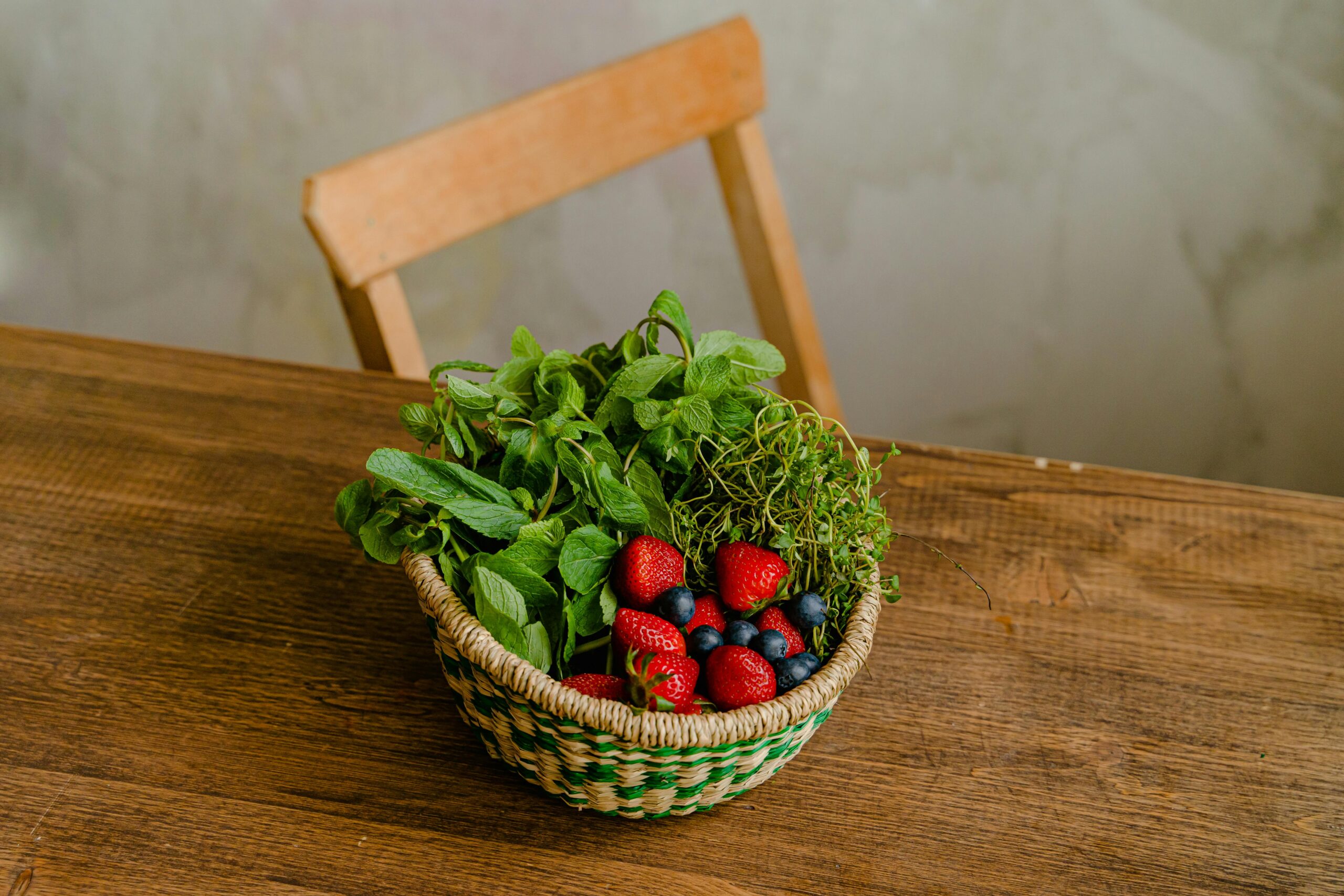
Fresh mint, basil, lavender, and cardamom add sophisticated flavors to frozen treats. Growing these herbs requires minimal resources, and many can be cultivated in small spaces or purchased from local organic farms.
💧 Reducing Water Footprint in Production
Water conservation extends beyond ingredient selection into production processes. Frozen dessert makers can implement several strategies to minimize water usage.
Closed-loop water systems recycle cleaning water through filtration. Equipment designed for efficient cleaning reduces water waste. Steam sanitization uses less water than traditional washing methods while maintaining food safety standards.
Packaging Considerations: From Production to Consumption
Truly sustainable frozen desserts require packaging that aligns with environmental values. This means moving beyond conventional plastic containers toward innovative alternatives.
Compostable and Biodegradable Options
Plant-based containers made from materials like sugarcane fiber (bagasse) or bamboo decompose naturally without leaving microplastics behind. These materials maintain structural integrity in freezer conditions while supporting circular economy principles.
Reusable Container Programs
Some innovative producers offer deposit-return systems where customers return containers for sanitization and refilling. This approach eliminates single-use packaging entirely while building customer loyalty.
🏆 Certification and Transparency Standards
Various certifications help consumers identify genuinely sustainable products amidst greenwashing claims.
Key Certifications to Recognize
USDA Organic certification prohibits synthetic pesticides and GMOs while requiring soil health practices. Fair Trade certification ensures ethical labor practices and fair compensation for farmers. Rainforest Alliance certification addresses biodiversity protection and sustainable farming practices.
B Corporation certification evaluates entire business practices, from ingredient sourcing through employee treatment and environmental impact. Companies earning this designation demonstrate comprehensive commitment to sustainability beyond just product ingredients.
Small-Batch Advantages: Quality Over Quantity
Artisanal production methods inherently support sustainability through reduced waste, careful ingredient selection, and community connections. Small-batch producers can pivot quickly to use available seasonal ingredients and build direct relationships with local suppliers.
This approach contrasts sharply with industrial production’s emphasis on standardization and year-round ingredient availability regardless of season or source. Small batches allow experimentation with unconventional sustainable ingredients that might not scale to industrial volumes.
🌍 Global Ingredients, Local Impact
Some sustainable ingredients must come from specific regions—cacao from tropical climates, for example. Responsible sourcing of these ingredients supports communities worldwide while delivering authentic flavors.
Direct trade relationships bypass intermediaries, ensuring more money reaches farming communities while providing producers with supply chain transparency. These partnerships often include support for sustainable farming education, infrastructure improvements, and community development projects.
Creating Your Own Sustainable Frozen Treats
Home production offers maximum control over ingredient sustainability. A simple frozen dessert requires just a base (plant milk or coconut cream), sweetener (dates or maple syrup), and flavoring (fresh fruit or vanilla).
Blend these ingredients thoroughly, chill, then process in an ice cream maker or freeze in a shallow pan, stirring every 30 minutes until firm. This approach eliminates all packaging waste and ensures complete ingredient knowledge.
The Economics of Sustainable Ingredients
Sustainable ingredients sometimes cost more initially, but this price reflects true costs rather than externalized environmental damage. As demand increases, economies of scale make sustainable options increasingly competitive with conventional ingredients.
Many producers find that customers willingly pay premium prices for products aligned with their values. This willingness supports ingredient innovation and makes sustainable production financially viable.
🔮 Future Innovations in Sustainable Frozen Desserts
Emerging technologies promise even more sustainable options. Precision fermentation produces dairy proteins without animals, delivering authentic texture and flavor with dramatically reduced environmental impact. Upcycled ingredients transform food waste streams—like spent grain from brewing—into nutritious frozen dessert components.
Regenerative agriculture practices actually improve soil health and sequester carbon while producing ingredient crops. As these methods expand, frozen dessert ingredients may eventually contribute to climate solutions rather than problems.
Building a Sustainable Mindset Beyond Ingredients
True sustainability extends beyond ingredient selection into energy use, waste management, and business practices. Solar-powered production facilities, zero-waste manufacturing processes, and carbon offset programs complement sustainable ingredient choices.
Employee welfare, community engagement, and transparent communication complete the sustainability picture. Companies genuinely committed to environmental stewardship address all these dimensions simultaneously.
Taking Action: Making Sustainable Choices Today
Every frozen dessert purchase represents a vote for particular production methods and values. By choosing products made with certified organic, Fair Trade, and locally sourced ingredients, consumers encourage more producers to adopt sustainable practices.
Reading ingredient labels carefully, asking questions about sourcing, and supporting companies with clear sustainability commitments drives industry transformation. Small individual choices aggregate into powerful market signals that reshape production methods.
The journey toward fully sustainable frozen desserts continues evolving as new ingredients, technologies, and practices emerge. By remaining curious, informed, and committed to environmental stewardship, both producers and consumers can ensure that our chilled delights nourish bodies, communities, and ecosystems for generations to come. The path forward requires ongoing learning, adaptation, and willingness to prioritize planetary health alongside taste and convenience—a worthy investment in our collective future. 🌎