
The future of our planet depends on the energy choices we make today, and transitioning to sustainable solutions is no longer optional—it’s essential for survival.

As global temperatures rise and natural resources dwindle, the urgency to adopt energy-efficient practices and renewable energy sources has reached a critical point. The energy sector accounts for approximately 73% of global greenhouse gas emissions, making it the primary target for climate action. From households to industries, everyone has a role to play in powering a greener tomorrow through conscious energy consumption and innovative sustainable technologies.
This comprehensive guide explores practical strategies, cutting-edge technologies, and actionable solutions that can help individuals, businesses, and communities unlock significant energy savings while contributing to environmental preservation. Whether you’re a homeowner looking to reduce utility bills or a business leader seeking sustainable operations, understanding these principles will empower you to make informed decisions that benefit both your wallet and the planet.
🌍 Understanding Our Current Energy Crisis
The world’s energy consumption continues to climb at an alarming rate. Global energy demand is projected to increase by nearly 50% by 2050, primarily driven by population growth and economic development in emerging markets. This surge places unprecedented pressure on existing energy infrastructure and accelerates environmental degradation.
Fossil fuels—coal, oil, and natural gas—still dominate the global energy mix, accounting for over 80% of total consumption. This heavy reliance on non-renewable resources contributes to air pollution, water contamination, and the emission of billions of tons of carbon dioxide annually. The consequences are visible worldwide: extreme weather events, rising sea levels, biodiversity loss, and disrupted ecosystems.
However, this crisis also presents an opportunity. The transition to sustainable energy isn’t just about avoiding disaster; it’s about building a more resilient, efficient, and equitable energy system. Technological advancements have made renewable energy more accessible and affordable than ever before, creating pathways for both immediate savings and long-term sustainability.
💡 The Economic Case for Energy Efficiency
Energy efficiency represents the most cost-effective way to reduce energy consumption and combat climate change. According to the International Energy Agency, improving energy efficiency could deliver more than 40% of the emissions reductions needed to meet global climate goals, while simultaneously reducing energy bills.
For households, implementing energy-efficient measures can reduce energy consumption by 25-30% on average. This translates to hundreds or even thousands of dollars in annual savings. For businesses, the financial benefits are even more substantial. Companies that prioritize energy efficiency often see returns on investment within 2-5 years, along with improved brand reputation and compliance with increasingly stringent environmental regulations.
The renewable energy sector is also experiencing unprecedented growth, creating millions of jobs worldwide. Solar and wind energy costs have dropped by 89% and 70% respectively over the past decade, making them competitive with or cheaper than fossil fuels in many regions. This economic shift is driving a fundamental transformation in how we produce and consume energy.
🏠 Practical Energy Savings at Home
Your home is an excellent starting point for implementing energy-saving strategies. Many improvements require minimal investment but deliver substantial long-term benefits.
Smart Heating and Cooling Optimization
Heating and cooling systems account for nearly half of residential energy consumption. Installing a programmable or smart thermostat can reduce this usage by 10-15% by automatically adjusting temperatures based on occupancy patterns. Setting your thermostat just a few degrees lower in winter and higher in summer can result in significant savings without sacrificing comfort.
Proper insulation is equally crucial. Sealing air leaks around windows, doors, and attics prevents conditioned air from escaping, reducing the workload on HVAC systems. Weather stripping and caulking are inexpensive solutions that provide immediate returns. Consider upgrading to energy-efficient windows with double or triple glazing for more substantial long-term savings.
LED Lighting Revolution ✨
Replacing traditional incandescent bulbs with LED alternatives is one of the simplest energy-saving measures. LEDs use 75% less energy and last up to 25 times longer than incandescent bulbs. While the upfront cost is higher, the long-term savings and reduced replacement frequency make LEDs economically superior.
Incorporating motion sensors and timers further optimizes lighting efficiency by ensuring lights operate only when needed. Dimmers provide additional control, allowing you to adjust brightness levels based on activities and time of day.
Energy-Efficient Appliances
When replacing appliances, prioritize those with high energy efficiency ratings. ENERGY STAR certified products use 10-50% less energy than standard models. Modern refrigerators, washing machines, dishwashers, and water heaters incorporate advanced technologies that significantly reduce consumption without compromising performance.
Adopting smart energy habits also makes a difference. Running dishwashers and washing machines with full loads, using cold water for laundry, and air-drying clothes whenever possible all contribute to reduced energy usage. Unplugging devices when not in use eliminates phantom power consumption, which accounts for 5-10% of residential electricity use.
☀️ Harnessing Renewable Energy Sources
Transitioning to renewable energy is the cornerstone of sustainable living. Solar, wind, and other clean energy sources provide abundant power without depleting resources or generating harmful emissions.
Solar Power Accessibility
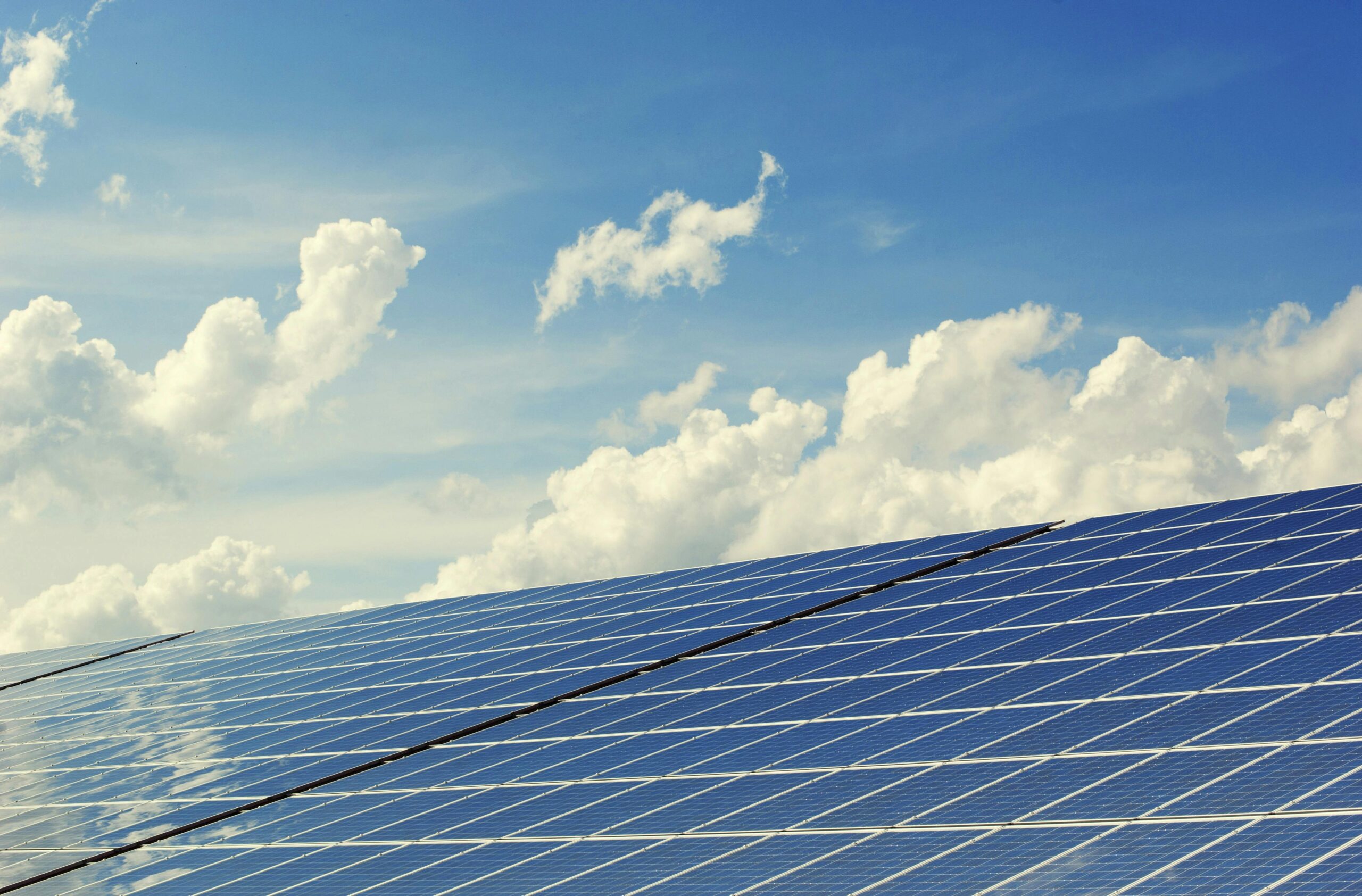
Solar panel technology has become increasingly affordable and efficient. Residential solar installations can offset 50-100% of electricity consumption, depending on system size and location. Many regions offer incentives, tax credits, and net metering programs that further enhance the financial viability of solar investments.
Community solar programs provide an alternative for those unable to install panels on their property. These initiatives allow multiple participants to benefit from a shared solar array, democratizing access to renewable energy regardless of homeownership status or roof suitability.
Wind Energy Potential 💨
While large-scale wind farms typically receive the most attention, small wind turbines are becoming viable options for rural properties with adequate wind resources. These systems can supplement or replace grid electricity, particularly in areas with consistent wind patterns.
For urban residents, supporting wind energy through green energy programs offered by utility companies enables participation in the renewable energy transition without direct installation requirements.
Geothermal and Biomass Options
Geothermal heat pumps leverage constant underground temperatures to provide highly efficient heating and cooling. Though installation costs are substantial, these systems offer exceptional long-term performance and minimal environmental impact.
Biomass energy, derived from organic materials, provides another renewable option, particularly for heating applications. Modern biomass systems burn cleanly and efficiently, utilizing waste products that would otherwise decompose and release methane.
🏢 Sustainable Solutions for Businesses
Commercial and industrial facilities have tremendous potential for energy savings through systematic efficiency improvements and renewable energy adoption.
Comprehensive Energy Audits
Professional energy audits identify inefficiencies and prioritize improvement opportunities based on cost-effectiveness. These assessments examine lighting, HVAC systems, insulation, equipment operation, and behavioral patterns to develop customized action plans.
Many utility companies offer subsidized or free energy audits, making this valuable service accessible to businesses of all sizes. The insights gained typically reveal opportunities for 20-30% energy reductions through targeted interventions.
Industrial Process Optimization
Manufacturing and industrial operations consume vast amounts of energy. Optimizing production processes, upgrading to high-efficiency motors, implementing variable frequency drives, and recovering waste heat can dramatically reduce consumption while often improving productivity and product quality.
Implementing energy management systems that monitor consumption in real-time enables data-driven decision-making and continuous improvement. These systems identify anomalies, track performance against benchmarks, and facilitate accountability across organizational levels.
Green Building Design
New construction and major renovations present opportunities to integrate sustainability from the ground up. Green building certifications like LEED and BREEAM provide frameworks for designing structures that minimize environmental impact while maximizing occupant comfort and operational efficiency.
Features such as passive solar design, natural ventilation, green roofs, and rainwater harvesting systems reduce energy and resource consumption throughout a building’s lifecycle. These investments typically command premium property values and attract environmentally conscious tenants and employees.
📱 Technology and Innovation Driving Change
Emerging technologies are revolutionizing how we generate, distribute, and consume energy, creating opportunities for unprecedented efficiency gains.
Smart Grid Integration
Smart grids use digital communication technology to optimize electricity distribution, balance supply and demand, and integrate renewable energy sources more effectively. These advanced networks reduce transmission losses, enable real-time pricing, and improve system reliability.
Smart meters provide consumers with detailed consumption data, empowering informed decisions about energy use. This transparency often leads to behavioral changes that reduce consumption by 5-15% without any physical modifications.
Energy Storage Breakthroughs 🔋
Battery technology improvements are addressing renewable energy’s intermittency challenge. Lithium-ion batteries, flow batteries, and emerging solid-state technologies enable storage of excess solar and wind generation for use when production is low.
Home battery systems paired with solar panels provide energy independence, backup power during outages, and optimization of self-consumption. As costs continue declining, these systems are becoming accessible to mainstream consumers.
Artificial Intelligence and Machine Learning
AI-powered systems optimize energy consumption by learning patterns, predicting needs, and automatically adjusting operations. From smart thermostats that adapt to occupancy patterns to industrial systems that optimize production schedules based on energy prices, AI is unlocking efficiency gains previously impossible with traditional controls.
Predictive maintenance algorithms identify equipment issues before failures occur, preventing energy waste from degraded performance while extending asset lifespans.
🌱 Community-Level Sustainable Initiatives
Collective action amplifies individual efforts, creating systemic change that transforms entire communities.
Microgrids and Local Energy Systems
Microgrids combine local generation, storage, and distribution to create resilient, efficient energy networks. These systems can operate independently or in conjunction with the main grid, providing reliability while incorporating high percentages of renewable energy.
Community choice aggregation programs allow municipalities to negotiate energy contracts on behalf of residents, often securing better rates and greener energy mixes than individual consumers could obtain independently.
Transportation Electrification 🚗
Transportation accounts for a significant portion of energy consumption and emissions. Electric vehicles (EVs) powered by renewable electricity offer dramatic reductions in carbon footprint compared to conventional vehicles.
Communities investing in EV charging infrastructure, promoting public transit, and developing cycling networks create sustainable transportation ecosystems that reduce dependence on fossil fuels while improving air quality and public health.
Education and Behavioral Change
Sustainable transformation requires cultural shifts in how we perceive and value energy. Educational programs in schools, workplaces, and communities build awareness and foster pro-environmental behaviors that persist across generations.
Peer-to-peer energy programs, where neighbors share locally generated renewable energy, create social connections while advancing sustainability goals. These initiatives demonstrate that environmental action strengthens community bonds rather than requiring sacrifice.
💰 Financial Incentives and Policy Support
Government programs and financial mechanisms significantly reduce barriers to sustainable energy adoption.
Tax credits for renewable energy installations, energy efficiency upgrades, and electric vehicle purchases make these investments more attractive. Many jurisdictions offer rebates, grants, and low-interest financing that further improve economics.
Feed-in tariffs and net metering programs compensate renewable energy producers for electricity fed back to the grid, accelerating return on investment for solar and wind installations. These policies have proven highly effective at driving renewable energy adoption in numerous countries.
Carbon pricing mechanisms, whether through taxes or cap-and-trade systems, create economic incentives for emissions reductions by making pollution costly. Revenue generated often funds additional clean energy programs and assists vulnerable populations with energy costs.
🔮 Emerging Trends Shaping Tomorrow
Innovation continues accelerating, with breakthrough technologies promising even greater sustainability gains in the coming decades.
Green hydrogen, produced using renewable electricity to split water, offers a clean fuel alternative for heavy industry, long-haul transportation, and energy storage. As production costs decline, hydrogen could play a central role in decarbonizing sectors difficult to electrify.
Perovskite solar cells represent the next generation of photovoltaic technology, offering higher efficiency and lower production costs than current silicon-based panels. Flexible and lightweight, these cells enable solar integration in previously impractical applications.
Fusion energy research progresses toward commercial viability, promising virtually limitless clean energy without long-lived radioactive waste. While significant technical challenges remain, recent breakthroughs suggest fusion power may contribute to energy systems within coming decades.
Carbon capture and storage technologies are improving, offering pathways to reduce atmospheric carbon dioxide while enabling continued operation of existing infrastructure during the transition period. Direct air capture systems could eventually reverse historical emissions, though costs remain prohibitive for large-scale deployment.
🎯 Taking Action Today
The transition to sustainable energy doesn’t require waiting for perfect technologies or policies. Meaningful action begins with individual and organizational commitment to efficiency and renewable energy adoption.
Start with an honest assessment of current energy consumption. Identify low-hanging fruit—simple, inexpensive changes that deliver immediate savings. Gradually implement more substantial measures as resources allow and technologies mature.
Support policies and candidates that prioritize clean energy and climate action. Consumer choices shape market demand, sending signals that accelerate innovation and deployment of sustainable solutions.
Share knowledge and experiences with others. The energy transition succeeds through collective effort, and your example can inspire friends, family, neighbors, and colleagues to take their own steps toward sustainability.
Remember that perfection isn’t the goal—progress is. Every kilowatt-hour saved, every renewable installation, and every fossil fuel vehicle replaced contributes to the cumulative change required to power a greener tomorrow. The future of energy is being written now, and each of us holds the pen.
By embracing energy efficiency, adopting renewable technologies, and supporting sustainable policies, we don’t just reduce environmental impact—we build more resilient, prosperous, and equitable communities. The path to a sustainable future is illuminated by the choices we make today, and the time to act is now. Together, we can unlock energy savings and sustainable solutions that ensure a thriving planet for generations to come.