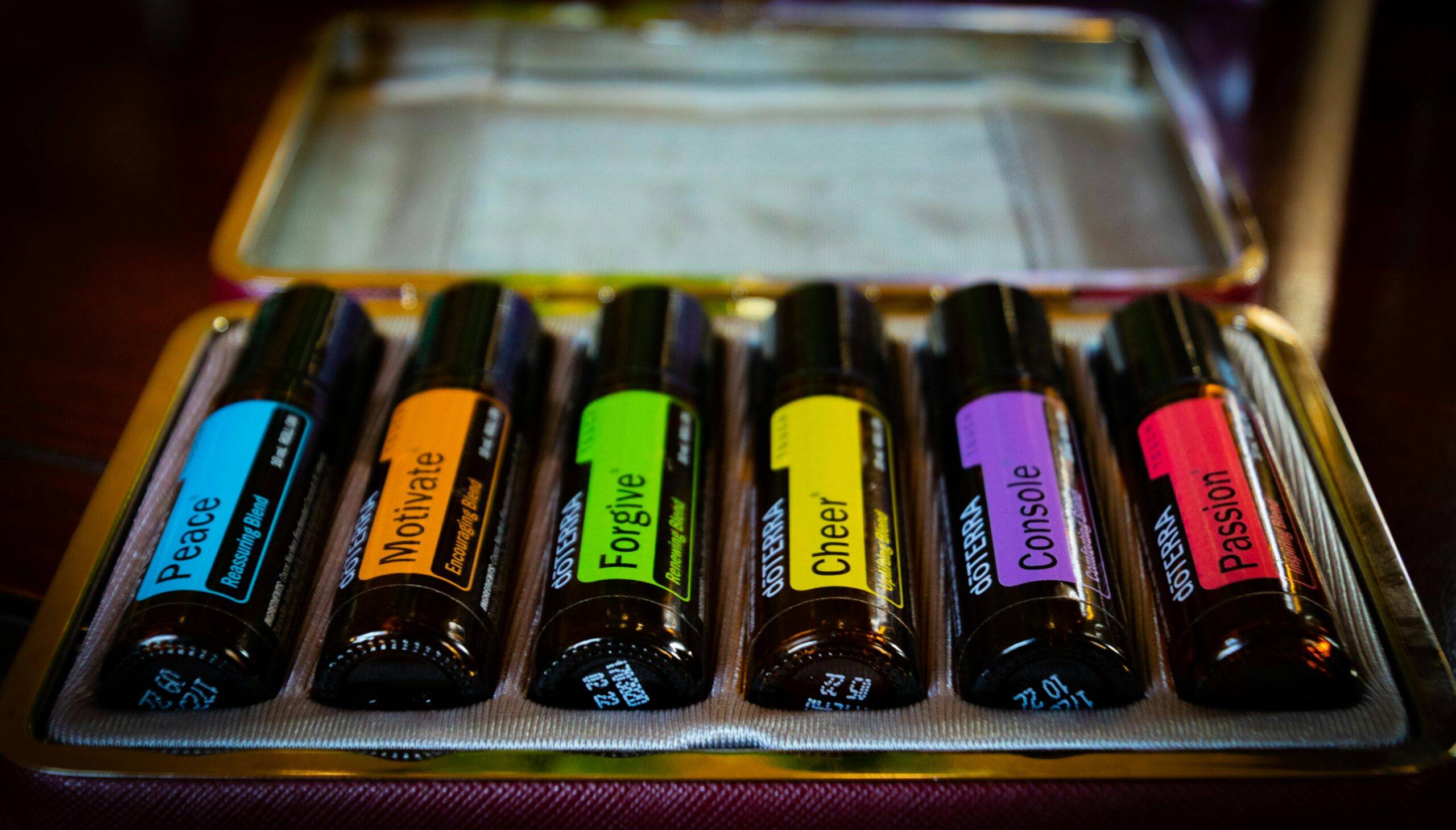
The synergy between natural plant extracts and preservative systems has emerged as a cornerstone of modern formulation science, bridging consumer demand for natural ingredients with product safety requirements.

🌿 The Rising Demand for Natural Plant-Based Formulations
Today’s consumers are increasingly conscious about the ingredients in their personal care products, supplements, and food items. This awareness has driven a significant shift toward formulations containing plant extracts, which offer numerous bioactive compounds with therapeutic, cosmetic, and nutritional benefits. However, these natural ingredients present unique preservation challenges that formulators must address to ensure product stability, safety, and efficacy.
Plant extracts contain complex matrices of phytochemicals including polyphenols, flavonoids, alkaloids, and essential oils. While these compounds provide desirable benefits, they can also interact with preservative systems in unexpected ways. Understanding these interactions is crucial for developing products that maintain both their natural integrity and microbial safety throughout their shelf life.
The global market for natural and organic personal care products alone is projected to reach over $25 billion by 2025, reflecting the growing consumer preference for botanical ingredients. This trend extends across multiple industries including cosmetics, pharmaceuticals, nutraceuticals, and food and beverage sectors.
Understanding Preservative Compatibility Challenges
When incorporating plant extracts into formulations, several compatibility issues can arise that affect preservative efficacy. The pH of plant extracts varies widely depending on the botanical source and extraction method used. Some extracts are naturally acidic, while others are alkaline, and this pH variation directly impacts preservative performance.
Many traditional preservatives work optimally within specific pH ranges. For instance, parabens are most effective in slightly acidic to neutral pH environments, while organic acids like benzoic acid require more acidic conditions. When a plant extract shifts the formulation pH outside the preservative’s ideal range, microbial protection can be compromised.
Chemical Interactions That Impact Preservation
Plant extracts contain proteins, sugars, and amino acids that can serve as nutrients for microbial growth, potentially overwhelming preservative systems. Additionally, certain phytochemicals may chemically bind with preservative molecules, reducing their free concentration and effectiveness. Tannins, for example, can complex with preservatives, while highly reactive compounds like aldehydes may undergo chemical reactions with preservative molecules.
The polarity and solubility characteristics of plant extracts also play crucial roles. Oil-soluble extracts require preservatives that can function in lipophilic environments, while water-soluble botanical ingredients need hydrophilic preservation strategies. Mixed extract systems present even greater challenges, requiring balanced preservative approaches.
🔬 Strategic Approaches to Enhancing Preservative Compatibility
Successful formulation with plant extracts requires a systematic approach that considers both the botanical ingredients and the preservative system as interconnected components. Several strategies can optimize this relationship and ensure product safety without compromising natural appeal.
Extract Selection and Preparation Methods
The choice of extraction method significantly influences preservative compatibility. Different extraction techniques produce varying concentrations of active compounds and different levels of potentially problematic substances. Supercritical CO2 extraction, for instance, produces cleaner extracts with fewer preservative-interfering compounds compared to traditional solvent extraction methods.
Standardization of plant extracts is another critical consideration. Standardized extracts with consistent phytochemical profiles allow for more predictable preservative interactions and easier formulation development. This consistency is particularly important for commercial scale production where batch-to-batch variation must be minimized.
Purification steps can remove components that interfere with preservatives while retaining desired bioactive compounds. Techniques such as filtration, centrifugation, and chromatographic purification can eliminate proteins, polysaccharides, and other materials that might serve as microbial nutrients or chemically interact with preservatives.
Preservative System Design for Botanical Formulations
Modern preservation strategies for plant extract formulations often employ multi-hurdle approaches that combine several preservation mechanisms. This strategy reduces reliance on any single preservative, potentially minimizing compatibility issues while maintaining robust microbial protection.
Broad-spectrum preservative blends designed specifically for natural formulations have become increasingly sophisticated. These systems typically combine traditional preservatives with natural antimicrobial boosters derived from botanical sources themselves, creating synergistic protection that respects the natural positioning of the product.
Natural Preservative Boosters and Synergists
One of the most exciting developments in this field is the use of plant-derived compounds that enhance preservative efficacy. These natural synergists can reduce the required concentration of traditional preservatives while improving overall microbial protection.
Essential oils from plants like tea tree, rosemary, and thyme possess inherent antimicrobial properties. When used at sub-therapeutic concentrations, they can boost preservative systems without contributing strong fragrances or potential sensitivities. The key is finding the optimal concentration where antimicrobial benefits are realized without overwhelming the product’s sensory profile.
Organic acids such as levulinic acid, derived from plant sugars, and glycolic acid from sugar cane offer preservation benefits while fitting naturally into botanical formulations. These compounds work by lowering pH and creating inhospitable environments for microbial growth, complementing other preservative mechanisms.
Chelating Agents from Natural Sources
Chelating agents bind metal ions that microorganisms need for growth and that can catalyze oxidative degradation. Natural chelators like phytic acid from rice bran and citric acid from citrus fruits enhance preservative performance while maintaining natural credentials. These compounds also help stabilize plant extracts themselves by preventing metal-catalyzed oxidation of sensitive phytochemicals.
📊 Testing and Validation Protocols
Ensuring preservative compatibility with plant extracts requires rigorous testing beyond standard challenge tests. The dynamic nature of botanical ingredients means that stability and efficacy must be evaluated over time and under various storage conditions.
Preservative efficacy testing (PET), also known as challenge testing, should be conducted with the actual plant extracts intended for use, not model systems. Different batches of the same extract may behave differently due to natural variation in plant material, so testing multiple batches provides a more realistic assessment of preservative robustness.
Accelerated Stability Studies
Accelerated stability testing at elevated temperatures helps predict long-term compatibility between plant extracts and preservatives. These studies reveal potential chemical interactions, pH drift, and preservative degradation that might not be apparent in short-term testing. Monitoring both microbial protection and chemical stability of active botanicals throughout these studies provides comprehensive data for formulation optimization.
Analytical methods should track preservative concentration over time, as some may degrade or bind to botanical components. High-performance liquid chromatography (HPLC) and gas chromatography (GC) techniques allow precise quantification of preservative levels, ensuring adequate protection throughout the product’s shelf life.
💡 Innovative Technologies Advancing the Field
Emerging technologies are opening new possibilities for combining plant extracts with effective preservation. These innovations address traditional compatibility challenges while maintaining or enhancing the natural characteristics that consumers seek.
Encapsulation and Delivery Systems
Microencapsulation technology allows plant extracts and preservatives to be physically separated within a formulation, preventing direct chemical interactions while both remain functional. Liposomes, nanoemulsions, and solid lipid nanoparticles can protect sensitive botanical compounds from degradation while allowing preservatives to function optimally in the continuous phase.
These delivery systems also offer the benefit of controlled release, potentially extending the efficacy of both the plant extracts and the preservatives. As the encapsulated materials are gradually released, fresh active compounds continuously replenish the formulation, maintaining potency and protection.
Hurdle Technology and pH Optimization
Sophisticated pH buffering systems can maintain optimal conditions for both preservative activity and plant extract stability. By carefully controlling pH within narrow ranges, formulators can maximize preservative efficacy while preventing pH-dependent degradation of sensitive phytochemicals.
Water activity (aw) control represents another hurdle that reduces microbial growth potential without relying solely on chemical preservatives. Humectants like glycerin and propanediol lower water activity while also serving as natural solvents for plant extracts, creating a dual function that supports both extraction and preservation goals.
🌱 Sustainable and Eco-Friendly Considerations
The push toward natural formulations with plant extracts often aligns with broader sustainability goals. Preservative systems for these products should ideally reflect the same environmental consciousness that drives the use of botanical ingredients.
Biodegradable preservatives that break down naturally in the environment after product use reduce ecological impact. Many modern preservation systems are designed with aquatic toxicity in mind, ensuring they don’t accumulate in waterways or harm aquatic ecosystems. This consideration is particularly important for rinse-off products like shampoos and body washes.
Sourcing plant extracts from sustainable and ethical suppliers ensures that the environmental benefits of using renewable botanical resources aren’t offset by destructive harvesting practices. Certifications like organic, fair trade, and rainforest-friendly provide assurance that plant materials are obtained responsibly.
Regulatory Landscape and Compliance
Navigating regulatory requirements adds another layer of complexity to formulating with plant extracts and preservatives. Different regions have varying restrictions on both botanical ingredients and preservative substances, requiring formulators to adapt their approaches for different markets.
The European Union’s cosmetics regulation provides a positive list of allowed preservatives with maximum permitted concentrations. Plant extracts must be evaluated for safety under the same regulation, with particular attention to potential allergens and sensitizers. The COSMOS natural and organic standards provide additional guidance for products marketed as natural or organic.
In the United States, the FDA regulates preservatives differently depending on product category. Cosmetics, drugs, and foods each have distinct requirements. Plant extracts may be subject to different scrutiny depending on claims made and intended use, requiring careful attention to regulatory classification.
🎯 Best Practices for Formulation Success
Achieving optimal preservative compatibility with plant extracts requires a methodical approach combining scientific knowledge with practical formulation experience. Starting with well-characterized, standardized plant extracts provides a solid foundation for reproducible results.
Conducting preliminary compatibility screening early in development saves time and resources. Small-scale testing of different preservative options with the chosen plant extracts can quickly identify problematic combinations before investing in full-scale formulation development.
Maintaining detailed documentation throughout the development process creates valuable institutional knowledge. Recording observations about color changes, precipitation, pH drift, and other physical or chemical changes helps identify patterns and predict potential issues with similar ingredients in future projects.
Collaboration Across Disciplines
Successfully formulating with plant extracts and preservatives often requires expertise from multiple disciplines. Botanists understand the phytochemical composition of extracts, microbiologists assess preservation adequacy, chemists predict interactions, and formulators bring practical knowledge of ingredient behavior in finished products.
Building relationships with ingredient suppliers can provide access to technical support and compatibility data. Many suppliers of both plant extracts and preservatives maintain databases of compatibility information and can offer guidance based on extensive testing experience.
Future Directions in Natural Preservation Science
Research continues to uncover new plant-derived compounds with preservative properties, expanding options for natural preservation strategies. Botanical antimicrobials that are effective at low concentrations and compatible with a wide range of formulation types represent a holy grail for natural product formulators.
Advances in extraction technology promise to deliver more concentrated, purer plant extracts with fewer compatibility issues. Green extraction methods using renewable solvents and minimal energy input align with sustainability goals while producing high-quality botanical ingredients.
Computational modeling and artificial intelligence are beginning to predict preservative-extract interactions, potentially streamlining formulation development. Machine learning algorithms trained on existing compatibility data could recommend optimal preservative systems for new plant extract combinations, reducing trial-and-error experimentation.
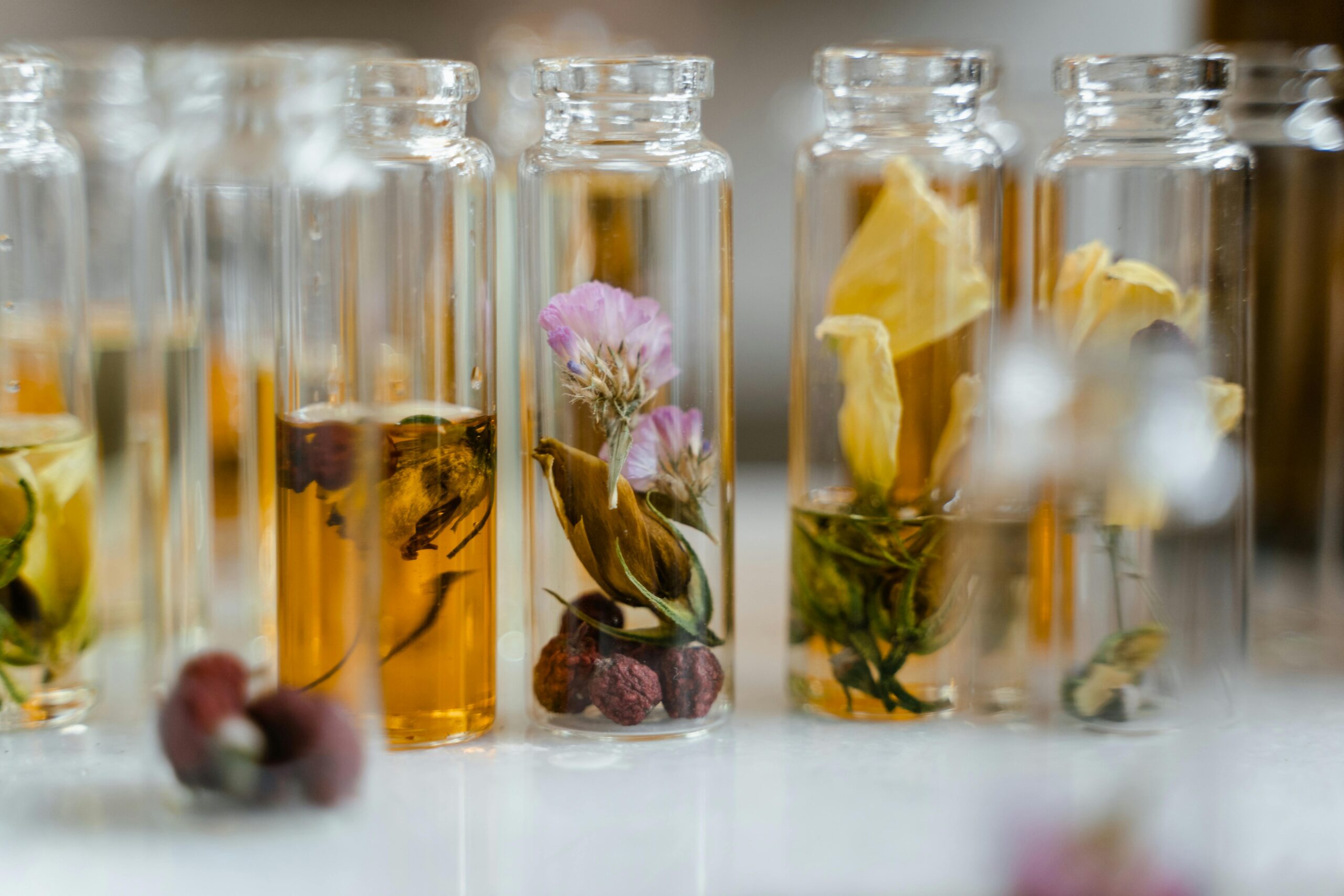
🌟 Transforming Challenges Into Opportunities
The complexity of combining plant extracts with effective preservation, while initially appearing as an obstacle, actually represents an opportunity for innovation. Formulators who master these challenges create products that truly deliver on the promise of natural efficacy with assured safety and stability.
Consumers increasingly appreciate the science behind their natural products. Transparent communication about how preservation is achieved in botanical formulations can build trust and demonstrate the sophistication required to create safe, effective natural products. This education helps consumers understand that preservation is not contrary to natural positioning but essential to it.
The journey toward unlocking the full potential of plant extracts through preservative compatibility continues to evolve. As research reveals new insights into botanical chemistry and preservation mechanisms, formulators gain more tools to create products that honor nature’s complexity while meeting modern safety and stability standards. The future of natural formulations lies in this harmonious balance where science and nature work together, delivering products that are both genuinely beneficial and reliably safe.
By embracing the challenges of preservative compatibility as opportunities for innovation, the industry moves toward a new generation of plant-based products that don’t compromise on quality, safety, or natural integrity. This represents the true power of nature unlocked through thoughtful science and formulation artistry.