Botanical extracts and natural ingredients face a constant battle against oxidation, threatening their efficacy and shelf life in formulations.

🌿 Understanding the Oxidation Challenge in Botanical Formulations
The natural beauty and wellness industry has witnessed an unprecedented surge in demand for plant-based ingredients. However, these botanical treasures come with a significant vulnerability: their susceptibility to oxidation. When natural compounds interact with oxygen, light, and heat, they undergo chemical transformations that compromise their potency, alter their appearance, and reduce their therapeutic benefits.
Oxidation represents one of the most significant challenges facing formulators who work with botanical extracts. The very compounds that make plant ingredients so valuable—polyphenols, essential fatty acids, vitamins, and other bioactive molecules—are often the most vulnerable to degradation. Understanding this process is the first step toward developing effective preservation strategies.
The consequences of oxidation extend beyond mere cosmetic concerns. Oxidized botanicals can develop off-odors, change color dramatically, separate in formulations, and in some cases, even become irritating to the skin. For manufacturers, this translates to product returns, brand reputation damage, and significant financial losses.
The Science Behind Botanical Degradation
Oxidation occurs through a complex series of chemical reactions involving free radicals—highly reactive molecules with unpaired electrons. These unstable entities seek stability by stealing electrons from nearby molecules, creating a cascading effect known as a free radical chain reaction. In botanical extracts, this process targets the double bonds present in unsaturated fatty acids, phenolic compounds, and other sensitive structures.
The degradation process typically unfolds in three distinct phases. The initiation phase begins when environmental factors like UV light or trace metals trigger the formation of initial free radicals. During the propagation phase, these radicals multiply exponentially, attacking adjacent molecules and creating an avalanche of oxidative damage. Finally, the termination phase occurs when antioxidants intervene or when radicals combine with each other, halting the destructive cycle.
Temperature plays a crucial role in accelerating oxidation rates. For every 10-degree Celsius increase, the rate of oxidation approximately doubles, following the principles of chemical kinetics. This temperature sensitivity explains why botanical products stored in hot conditions deteriorate so rapidly.
Environmental Factors That Accelerate Degradation ⚡
Multiple environmental stressors contribute to botanical instability. Light exposure, particularly ultraviolet radiation, provides the energy needed to break chemical bonds and initiate oxidation. Oxygen availability directly correlates with oxidation potential, making air exposure a critical concern during manufacturing and storage.
Moisture content affects stability through multiple mechanisms. Water can facilitate hydrolytic degradation, support microbial growth, and increase the mobility of reactive species within formulations. Trace metal contamination from processing equipment or raw materials acts as a powerful catalyst for oxidation, accelerating degradation rates even at parts-per-million concentrations.
🛡️ Natural Antioxidant Systems: Nature’s Defense Mechanism
Plants have evolved sophisticated antioxidant defense systems to protect themselves from oxidative stress during their lifecycle. These same protective compounds can be harnessed to preserve botanical extracts and formulations. Understanding how these natural systems work provides invaluable insights for developing stabilization strategies.
Natural antioxidants function through multiple mechanisms. Some, called chain-breaking antioxidants, donate electrons to free radicals, neutralizing them before they can cause damage. Others, known as preventive antioxidants, chelate metal ions or absorb UV radiation, preventing oxidation from initiating in the first place.
Primary Antioxidant Compounds in Botanicals
Tocopherols, commonly known as vitamin E, represent one of nature’s most effective lipid-soluble antioxidants. These compounds excel at protecting oils and fat-soluble botanical extracts from oxidation. Alpha-tocopherol is particularly effective, though mixed tocopherols often provide superior protection due to synergistic effects between different forms.
Ascorbic acid (vitamin C) functions as a powerful water-soluble antioxidant, making it ideal for aqueous botanical extracts. However, ascorbic acid itself is relatively unstable, leading formulators to employ more stable derivatives like ascorbyl palmitate or magnesium ascorbyl phosphate for enhanced longevity.
Polyphenolic compounds, including flavonoids, phenolic acids, and tannins, occur widely throughout the plant kingdom. These molecules possess multiple hydroxyl groups that can donate electrons to neutralize free radicals. Green tea extract, rosemary extract, and grape seed extract owe their antioxidant properties primarily to their polyphenolic content.
Carotenoids provide both antioxidant protection and UV-filtering capabilities. Beta-carotene, lycopene, and astaxanthin can quench singlet oxygen—a particularly reactive form of oxygen generated by light exposure—before it damages sensitive botanical compounds.
Strategic Approaches to Preserving Botanical Integrity
Implementing effective antioxidant systems requires a comprehensive strategy that addresses multiple vulnerability points. Successful preservation begins during ingredient selection and continues through manufacturing, packaging, and storage.
Formulation-Level Protection Strategies 🔬
The synergistic combination of multiple antioxidants often provides superior protection compared to single-compound approaches. A classic example involves pairing tocopherol with ascorbic acid—the water-soluble vitamin C can regenerate oxidized vitamin E, extending its protective capacity. This antioxidant recycling creates a more robust defense system.
Chelating agents like EDTA or phytic acid sequester trace metals, preventing them from catalyzing oxidation reactions. Even minimal concentrations of copper or iron can dramatically accelerate botanical degradation, making chelation an essential consideration in sensitive formulations.
pH optimization influences antioxidant effectiveness and botanical stability. Most natural antioxidants function optimally within specific pH ranges. Adjusting formulation pH to match these optimal ranges enhances protection while potentially improving the stability of the botanical actives themselves.
Processing Techniques That Minimize Oxidation
Manufacturing practices significantly impact botanical stability. Implementing cold-processing methods reduces thermal stress on sensitive ingredients. Many valuable botanical compounds degrade at temperatures above 40-50°C, making temperature control during production critical.
Minimizing air exposure during processing through nitrogen blanketing or vacuum processing dramatically reduces oxidation potential. These techniques displace oxygen from the manufacturing environment, removing the primary oxidizing agent before it can initiate degradation.
Rapid processing and immediate packaging after production limits the window of vulnerability. Extended exposure to processing conditions—even under controlled circumstances—allows cumulative oxidative damage. Streamlined production workflows preserve botanical integrity more effectively than lengthy processes.
📦 Packaging Solutions for Extended Botanical Stability
Even the most carefully formulated products require appropriate packaging to maintain stability throughout their shelf life. Packaging serves as the final barrier against environmental stressors that threaten botanical integrity.
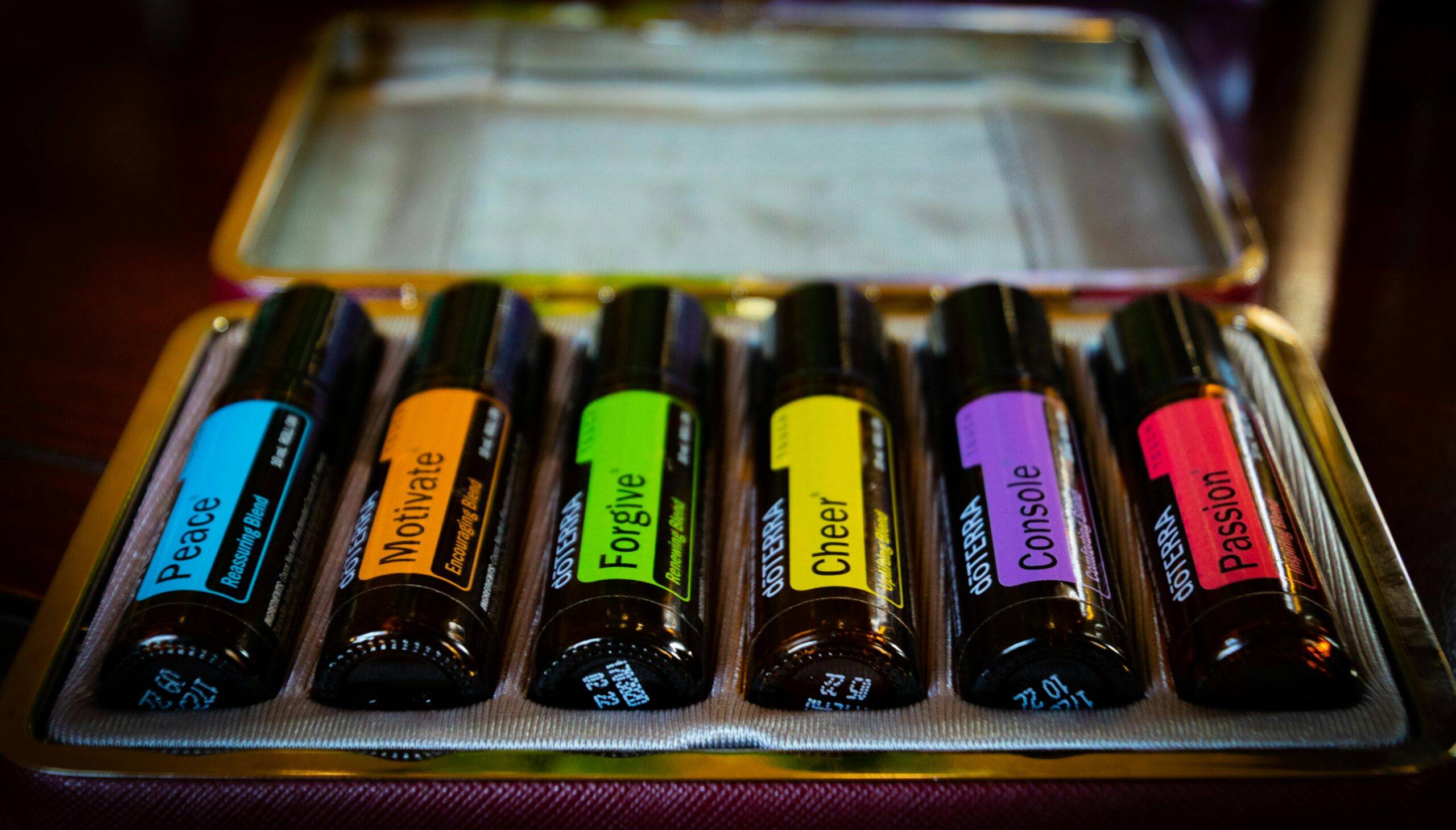
Light-protective packaging using amber glass, opaque materials, or UV-filtering plastics prevents photodegradation. Photosensitive botanicals like chamomile extract, vitamin C derivatives, and essential oils particularly benefit from light-blocking containers.
Oxygen-barrier packaging technologies minimize air exposure during storage. Materials with low oxygen transmission rates, vacuum-sealed containers, and airless pump dispensers all contribute to oxidative stability. For exceptionally sensitive formulations, nitrogen flushing before sealing removes residual oxygen from the headspace.
Portion-controlled packaging reduces repeated exposure to air and contamination. Single-use sachets, individually sealed capsules, or multi-chamber containers limit how often the bulk product contacts oxygen, extending overall stability.
Testing and Monitoring Botanical Stability Over Time ⏱️
Developing stable botanical formulations requires rigorous testing protocols to predict shelf life and verify preservation strategies. Accelerated stability testing exposes products to elevated temperature and humidity conditions, simulating months or years of aging in compressed timeframes.
Real-time stability studies conducted under normal storage conditions provide the most accurate shelf-life predictions, though they require patience. Typically, these studies run for 12-36 months, with periodic sampling to monitor physical, chemical, and microbiological parameters.
Key analytical methods for assessing botanical stability include high-performance liquid chromatography (HPLC) to quantify active compounds, peroxide value measurements to detect early-stage oxidation, and sensory evaluation to identify changes in appearance, odor, or texture. Color measurement using spectrophotometry provides objective data about pigment degradation.
Establishing Acceptance Criteria
Setting appropriate specifications for botanical products requires balancing ideal preservation with realistic expectations. Not all changes indicate product failure—minor color shifts might be acceptable if active compound levels remain within specifications and the product remains safe and effective.
Typically, formulations should retain at least 90% of labeled active botanical compounds throughout their shelf life. Physical stability parameters include maintaining homogeneity without separation, preserving appropriate viscosity, and avoiding unacceptable color or odor changes.
🌱 Emerging Technologies in Botanical Preservation
Innovation continues to advance botanical stabilization capabilities. Encapsulation technologies protect sensitive compounds by surrounding them with protective matrices. Liposomes, cyclodextrins, and polymer-based nanocarriers shield botanicals from environmental stressors while potentially enhancing their delivery and efficacy.
Enzymatic antioxidants like superoxide dismutase and catalase replicate the protective mechanisms found in living cells. These biological catalysts continuously neutralize reactive oxygen species without being consumed in the process, offering prolonged protection from small initial concentrations.
Modified atmosphere packaging (MAP) replaces air with protective gas mixtures, typically combining nitrogen and carbon dioxide. This technology, borrowed from food preservation, shows promise for extending botanical product shelf life, particularly for dried herbs and powdered extracts.
Biotechnology-Derived Antioxidants
Fermentation-derived antioxidants represent a sustainable source of preservation compounds. Microorganisms can produce tocopherols, carotenoids, and novel antioxidant peptides through controlled fermentation processes. These biotechnology approaches offer scalability and consistency advantages over plant extraction.
Enzymatic modification of natural antioxidants can enhance their stability and functionality. For example, acylation of ascorbic acid produces fat-soluble derivatives with improved stability characteristics, expanding the applications of vitamin C beyond water-based systems.
Practical Implementation: From Laboratory to Market 💼
Successfully translating antioxidant theory into commercial botanical products requires careful consideration of regulatory requirements, cost constraints, and consumer expectations. Natural and organic certification standards limit available preservation options, requiring formulators to work within specific ingredient frameworks.
Cost-effectiveness influences antioxidant selection. While exotic botanical antioxidants may offer superior performance, their price point may make formulations commercially unviable. Balancing protection level with economic realities represents a constant challenge in product development.
Consumer perception shapes formulation decisions beyond technical considerations. The clean beauty movement demands transparent ingredient lists with recognizable components. Synthetic antioxidants like BHT or BHA, though effective, face consumer resistance despite their safety profiles. This preference drives innovation in natural preservation systems.
🎯 Optimizing Antioxidant Systems for Specific Botanicals
Different botanical ingredients require tailored stabilization approaches based on their unique chemical composition and vulnerability profiles. Oil-soluble extracts like sea buckthorn oil or evening primrose oil benefit primarily from lipophilic antioxidants such as tocopherols and rosemary extract.
Water-soluble botanical extracts including green tea, chamomile, or aloe vera require hydrophilic antioxidant systems. Ascorbic acid derivatives, water-soluble tocopherol forms, and polyphenol-rich botanical extracts provide appropriate protection for aqueous systems.
Essential oils present unique challenges due to their volatile nature and complex chemical composition. Terpenes and other volatile compounds readily oxidize when exposed to air and light. Storage in dark glass bottles with minimal headspace, combined with natural antioxidants like vitamin E, extends essential oil shelf life significantly.
Case Study: Stabilizing Vitamin C Serums
Vitamin C serums exemplify the challenges and solutions in botanical stability. L-ascorbic acid, the most bioactive form, oxidizes rapidly in aqueous solutions, particularly at neutral or alkaline pH levels. Effective stabilization strategies include maintaining acidic pH (below 3.5), using airtight packaging, incorporating additional antioxidants like ferulic acid and vitamin E, and employing more stable ascorbic acid derivatives.
Airless pump bottles with opaque materials provide optimal packaging for vitamin C formulations. Some manufacturers use powder-and-liquid systems that users mix immediately before application, ensuring maximum freshness and potency.
The Future of Botanical Preservation: Sustainability Meets Science 🌍
The intersection of sustainability and preservation science drives current research directions. Upcycling agricultural waste into antioxidant extracts reduces environmental impact while providing cost-effective preservation solutions. Grape pomace, olive mill wastewater, and citrus peel waste all contain valuable antioxidant compounds that can protect botanical formulations.
Artificial intelligence and machine learning increasingly inform formulation development. Predictive algorithms analyze vast datasets to identify optimal antioxidant combinations and processing conditions, accelerating product development while reducing the need for extensive trial-and-error testing.
Green chemistry principles guide the development of more sustainable extraction and processing methods. Supercritical CO2 extraction, ultrasound-assisted extraction, and enzyme-assisted extraction minimize solvent use while potentially producing more stable botanical extracts with higher antioxidant content.
Empowering Formulators With Knowledge and Tools 🔧
Successfully preserving botanical stability requires continuous education and access to analytical tools. Formulators benefit from understanding not just which antioxidants to use, but why particular combinations work synergistically and how processing conditions influence outcomes.
Collaboration between suppliers, formulators, and analytical laboratories accelerates innovation. Suppliers providing stability data and formulation guidance help brands develop more robust products. Third-party testing facilities offer expertise in advanced analytical techniques that smaller manufacturers may not possess in-house.
Documentation and knowledge sharing within the industry advance collective capabilities. Publishing case studies, sharing formulation challenges, and discussing preservation strategies at professional conferences foster innovation and help the entire botanical industry improve product quality and longevity.
The journey toward optimal botanical stability continues evolving as new ingredients, technologies, and scientific understanding emerge. By harnessing natural antioxidant systems, implementing strategic processing techniques, and selecting appropriate packaging, formulators can create botanical products that maintain their freshness, efficacy, and appeal throughout their intended shelf life. This commitment to stability not only satisfies consumers seeking effective natural products but also honors the botanical ingredients themselves, preserving the precious compounds that plants have evolved over millennia.