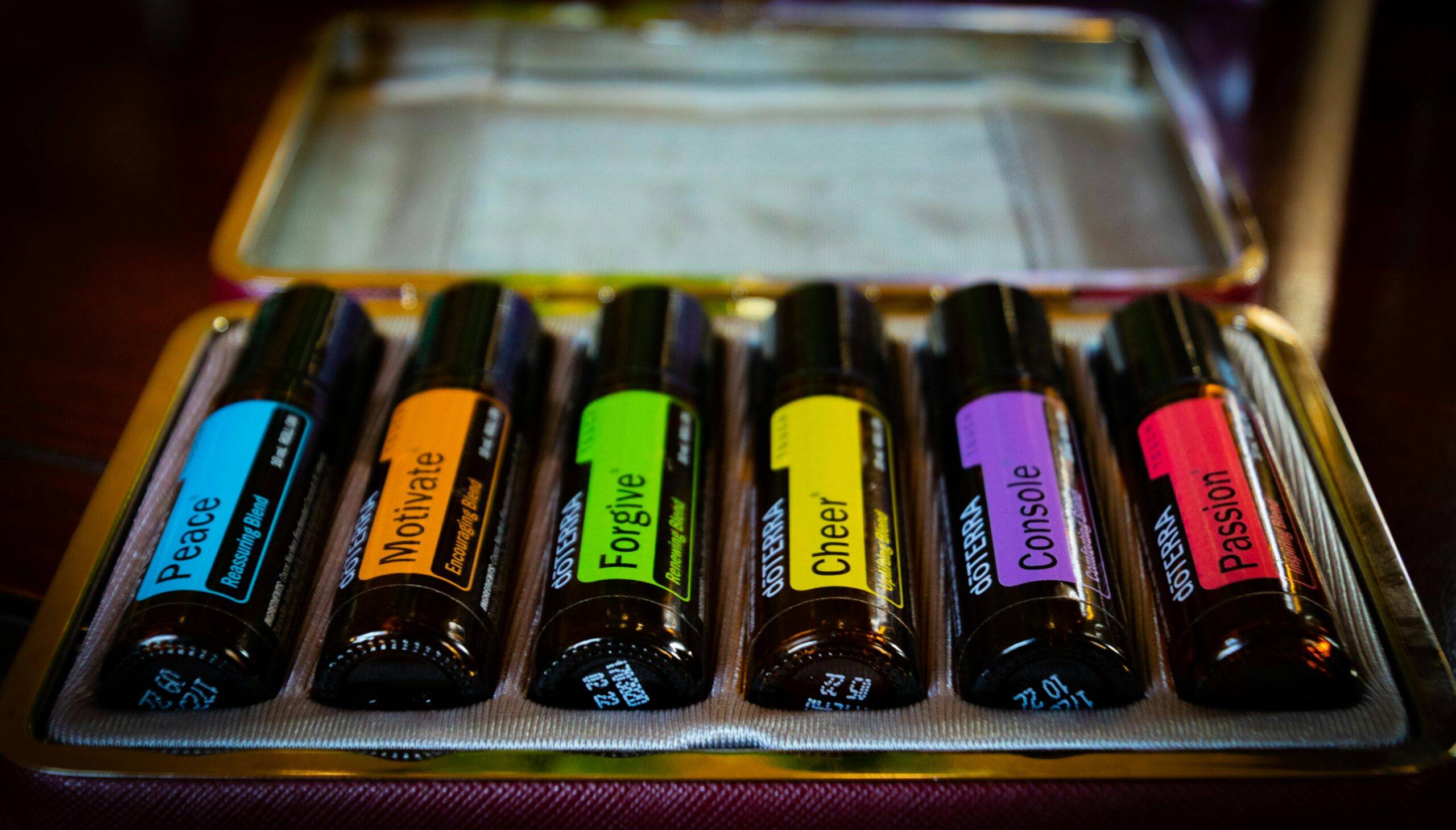
Smart packaging choices are revolutionizing how we preserve the potency, purity, and longevity of botanical extracts, essential oils, and natural compounds in today’s demanding market.

🔬 Understanding Extract Degradation: The Silent Enemy
Extract stability represents one of the most critical challenges facing manufacturers, formulators, and consumers in the natural products industry. Whether we’re discussing herbal tinctures, essential oils, CBD extracts, or pharmaceutical-grade compounds, the integrity of these concentrated substances depends heavily on how they’re stored and protected from environmental factors.
Degradation begins the moment an extract is exposed to oxygen, light, heat, or moisture. These elements trigger oxidation processes, photochemical reactions, and microbial contamination that compromise both the therapeutic properties and shelf life of valuable extracts. The chemical complexity of plant-derived compounds makes them particularly vulnerable to environmental stressors.
Traditional packaging methods often fall short in providing adequate protection. Standard plastic bottles, for instance, may allow oxygen permeation, while clear glass containers expose contents to damaging ultraviolet radiation. Understanding these vulnerabilities is the first step toward implementing effective packaging solutions that preserve extract quality throughout the entire supply chain.
💡 The Science Behind Package-Extract Interactions
The relationship between packaging materials and extract stability operates on multiple chemical and physical levels. Each packaging choice creates a unique microenvironment that either supports or undermines the molecular integrity of contained substances.
Oxygen transmission rate (OTR) stands as one of the most critical metrics in packaging selection. Oxidation represents the primary degradation pathway for most botanical extracts, causing color changes, off-flavors, and loss of bioactive compounds. Materials with low OTR create effective barriers that significantly extend shelf life by limiting oxygen exposure.
Light transmission characteristics equally impact extract stability. Ultraviolet and visible light catalyze photodegradation reactions that break down sensitive compounds like cannabinoids, terpenes, and polyphenols. Amber glass, for example, blocks approximately 90% of UV light, while violet glass claims even superior protective properties by allowing only specific wavelengths to penetrate.
Material compatibility presents another crucial consideration. Some plastics contain additives or undergo leaching processes that contaminate extracts with unwanted substances. Certain essential oils, particularly those high in d-limonene and other terpenes, can actually dissolve inferior plastic materials, compromising both container integrity and product purity.
🛡️ High-Performance Packaging Materials Transforming Extract Storage
The evolution of packaging technology has introduced numerous advanced materials specifically engineered to address the unique challenges of extract preservation. These innovations combine traditional wisdom with cutting-edge material science.
Violet and Amber Glass: The Gold Standard
Colored glass containers have established themselves as premium packaging choices for light-sensitive extracts. Amber glass provides excellent UV protection while remaining cost-effective and widely available. Its warm appearance also conveys quality and natural origins to consumers, supporting brand positioning in the wellness marketplace.
Violet glass, sometimes called Miron glass, takes light protection to another level. This specialized material blocks the complete spectrum of visible light except for violet and UV-A rays, which some research suggests may actually support molecular stability. While significantly more expensive than amber alternatives, violet glass delivers measurable benefits for ultra-premium extracts where maximum longevity justifies the investment.
Pharmaceutical-Grade Plastics: Advanced Polymer Solutions
Not all applications suit glass packaging due to weight, breakage concerns, or cost constraints. High-density polyethylene (HDPE) and polyethylene terephthalate (PET) offer lightweight alternatives with respectable barrier properties when properly formulated.
Pharmaceutical-grade plastics undergo rigorous testing to ensure chemical compatibility and minimal leaching. These materials work particularly well for water-based extracts or situations where glass presents practical limitations. However, formulators must carefully evaluate compatibility with solvent-based extracts and essential oils, which may interact with polymer matrices.
Multi-Layer Barrier Systems: Engineering Excellence
Advanced packaging increasingly employs multi-layer construction that combines different materials to optimize barrier performance. These sophisticated systems might integrate aluminum foil layers, specialized polymer coatings, and moisture barriers into single-wall containers.
Such engineered solutions deliver superior protection against oxygen, moisture, and light simultaneously. While manufacturing complexity increases costs, the extended shelf life and enhanced stability often justify the investment for premium extract products targeting discerning consumers.
🎯 Closure Systems: The Overlooked Critical Component
Even the most sophisticated container body becomes ineffective without an equally well-designed closure system. Caps, droppers, and sealing mechanisms represent critical control points for extract stability that frequently receive insufficient attention.
Child-resistant closures balance safety requirements with barrier performance. The best designs incorporate inner seals using materials compatible with extract chemistry while meeting regulatory standards. Foam liners, pulp/vinyl combinations, and pressure-sensitive seals each offer distinct advantages depending on specific application requirements.
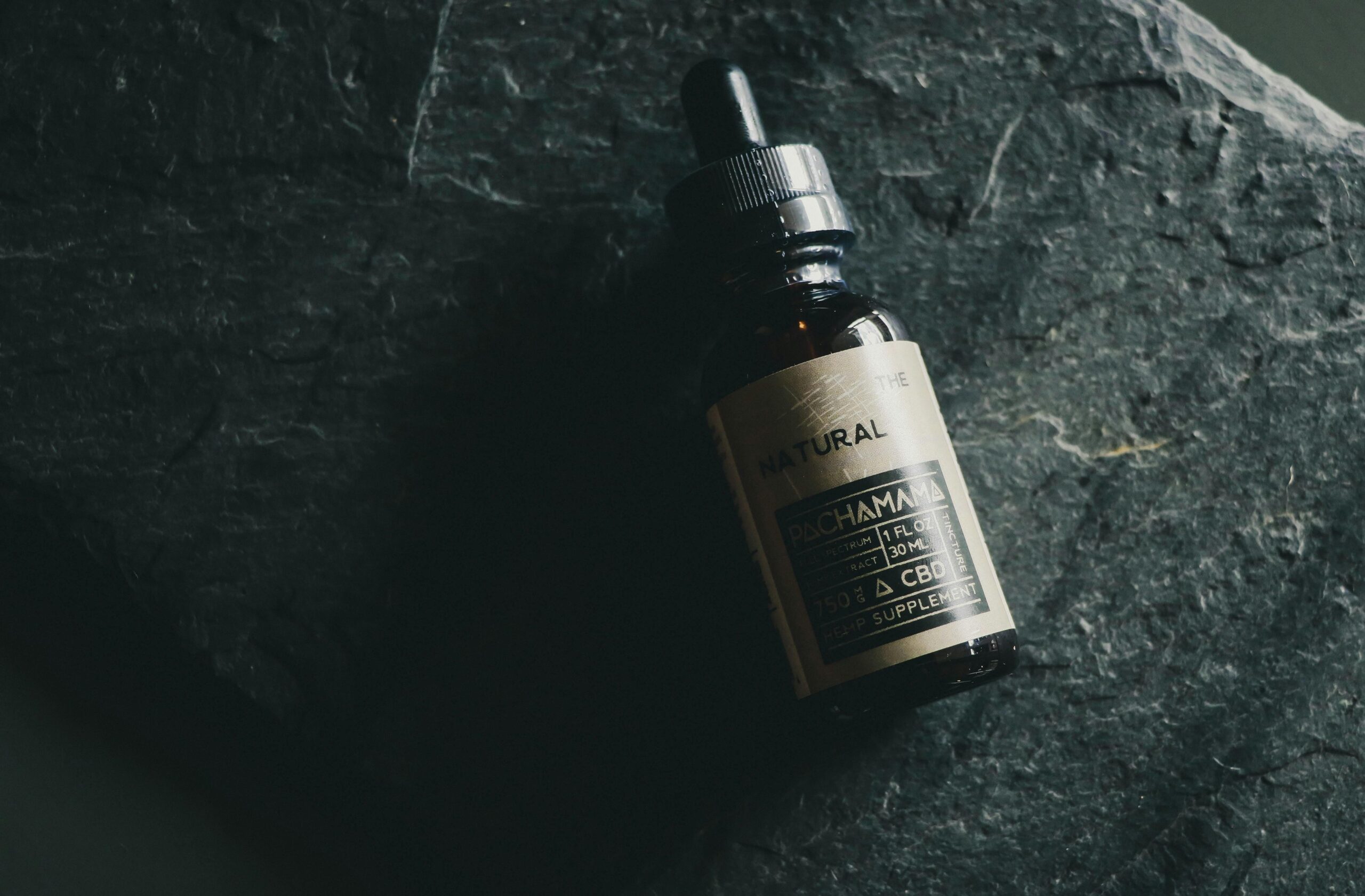
Dropper assemblies present particular challenges for liquid extracts. The pipette materials must resist chemical attack from solvents and essential oils while providing accurate, convenient dispensing. Borosilicate glass droppers with silicone bulbs represent the premium standard, though rubber and latex alternatives serve budget-conscious applications when properly tested for compatibility.
Induction sealing technology provides tamper-evidence while creating hermetic seals that dramatically improve barrier properties. The heat-activated foil liner bonds to container rims, forming an airtight seal that prevents oxygen infiltration until the consumer breaks the seal at first opening.
🌡️ Environmental Control Through Intelligent Packaging Design
Beyond basic barrier properties, truly intelligent packaging systems actively manage the internal environment to optimize extract stability over extended periods.
Oxygen Scavenger Technology
Oxygen absorbers integrated into packaging systems actively remove residual oxygen from headspace after filling. These sachets or integrated systems contain iron-based compounds that react with oxygen, creating an anaerobic environment that dramatically slows oxidation processes.
For extracts particularly sensitive to oxidation, this technology can extend shelf life by months or even years. The approach works especially well when combined with nitrogen flushing during the filling process, which replaces atmospheric air with inert gas before sealing.
Desiccant Integration for Moisture Control
Hygroscopic extracts, particularly powdered concentrates and certain crystalline compounds, require strict moisture control to prevent caking, microbial growth, and chemical degradation. Integrated desiccant systems maintain optimal humidity levels within sealed containers.
Silica gel sachets represent the most common approach, though molecular sieves and clay-based desiccants serve specific applications. Smart desiccants now include color-changing indicators that signal when moisture absorption capacity reaches saturation, alerting users to potential stability concerns.
Temperature-Indicating Labels
Temperature excursions during storage and shipping can irreversibly damage sensitive extracts. Time-temperature indicator labels provide visual confirmation that products remained within specified temperature ranges throughout the distribution chain.
These smart labels contain chemical systems that undergo irreversible color changes when exposed to temperatures above threshold limits for defined periods. Both consumers and quality control personnel can quickly identify potentially compromised products, reducing waste and protecting brand reputation.
📊 Comparative Analysis: Packaging Performance Metrics
| Packaging Material | Oxygen Barrier | Light Protection | Chemical Compatibility | Cost Factor |
|---|---|---|---|---|
| Amber Glass | Excellent | Very Good | Excellent | Moderate |
| Violet Glass | Excellent | Outstanding | Excellent | High |
| HDPE Plastic | Fair | Poor | Good | Low |
| PET Plastic | Good | Poor | Good | Low |
| Multi-Layer Barrier | Outstanding | Excellent | Very Good | High |
🔄 Sustainability Meets Performance: The Modern Imperative
Contemporary packaging decisions cannot focus solely on stability performance while ignoring environmental impact. Consumers increasingly demand sustainable solutions that protect both product quality and planetary health.
Glass packaging offers inherent sustainability advantages through infinite recyclability without quality degradation. The material requires no virgin resources when properly collected and processed through recycling streams. However, the energy intensity of glass production and transportation weight present legitimate environmental concerns.
Bio-based plastics derived from renewable resources represent an emerging alternative gaining traction in natural products markets. These materials, sourced from corn starch, sugarcane, or cellulose, can provide reasonable barrier properties while reducing fossil fuel dependence. Performance limitations and end-of-life considerations require careful evaluation to ensure genuine environmental benefits.
Lightweighting strategies reduce material usage across all packaging categories. Thinner glass walls, optimized plastic thickness, and structural design improvements maintain protective performance while minimizing resource consumption and transportation impacts. These approaches deliver environmental and economic benefits simultaneously.
💼 Strategic Implementation for Manufacturers and Formulators
Translating packaging knowledge into practical business decisions requires systematic evaluation of product characteristics, market positioning, regulatory requirements, and economic constraints.
Conducting Stability Testing Programs
Rigorous stability testing under accelerated and real-time conditions provides the data foundation for informed packaging decisions. Testing protocols should expose candidate packaging systems to elevated temperatures, humidity cycles, and light exposure while monitoring critical quality parameters.
Chromatographic analysis tracks changes in active compound concentrations over time. Sensory evaluation detects off-odors and appearance changes. Microbial testing ensures container integrity prevents contamination. These comprehensive assessments identify optimal packaging configurations before full-scale production commitments.
Regulatory Compliance Considerations
Packaging for dietary supplements, cosmetics, and pharmaceutical extracts must satisfy specific regulatory requirements varying by jurisdiction and product category. Food-grade certifications, child-resistant closure standards, and material safety documentation represent baseline requirements.
Manufacturers serving international markets must navigate complex regulatory landscapes where requirements differ substantially. Packaging decisions should accommodate the most stringent applicable standards to facilitate broad market access without country-specific modifications.
Cost-Benefit Analysis Framework
Premium packaging increases unit costs but delivers value through extended shelf life, reduced waste, enhanced consumer perception, and decreased return rates. Calculating true cost-per-use rather than simple acquisition cost reveals the economic benefits of investing in superior packaging systems.
Products with higher active ingredient concentrations or costly extraction processes particularly benefit from packaging investments that protect substantial formulation value. The incremental packaging cost becomes negligible compared to the product value protected throughout extended shelf life periods.
🚀 Emerging Technologies Shaping the Future of Extract Packaging
Innovation continues accelerating in packaging technology, with emerging solutions promising even greater stability performance and functionality in coming years.
Nanotechnology applications include barrier coatings at molecular scales that dramatically improve oxygen and moisture resistance while maintaining material recyclability. These ultra-thin films deliver performance previously requiring much thicker material layers.
Active packaging systems release beneficial compounds into the package headspace or absorb problematic substances. Antimicrobial release systems prevent microbial contamination, while volatile compound absorbers remove degradation products that might catalyze further deterioration.
Smart sensors embedded in packaging provide real-time monitoring of internal conditions and product status. These connected systems can alert stakeholders to temperature excursions, package integrity breaches, or approaching expiration dates through smartphone integration and cloud-based tracking platforms.
✨ Maximizing Extract Longevity Through Holistic Packaging Strategy
Optimal extract stability requires comprehensive thinking that extends beyond isolated packaging component selection. Successful strategies integrate material choices, filling processes, storage recommendations, and consumer education into cohesive systems.
Nitrogen flushing during filling operations removes oxygen before sealing, creating the anaerobic environment that preserves extract quality. This process works synergistically with high-barrier packaging materials to maximize protective benefits.
Clear storage instructions on labels guide consumers toward practices that extend product life after opening. Recommendations to store in cool, dark locations, recap immediately after use, and consume within specified timeframes protect quality through the entire product lifecycle.
Secondary packaging considerations matter as well. Outer cartons that block light, absorb shock during shipping, and provide additional moisture barriers complement primary container performance. These multi-layer protection strategies prove especially valuable for products moving through complex distribution channels.
🎓 Educational Initiatives Driving Industry Standards Forward
As extract markets mature and consumer sophistication increases, industry-wide education about packaging’s role in quality assurance becomes essential. Trade associations, research institutions, and leading manufacturers collaborate to establish best practice guidelines and testing protocols.
Standardized stability testing methods enable meaningful comparisons between packaging options. Published research on material compatibility with specific extract types helps formulators make evidence-based decisions. Certification programs for packaging suppliers ensure consistent quality and appropriate material selection.
Consumer education represents an equally critical frontier. When buyers understand how packaging choices impact product efficacy and value, they make informed purchasing decisions that reward quality-focused manufacturers. Transparent communication about packaging technology differentiates premium brands while elevating industry standards.
The intersection of botanical science, material engineering, and consumer needs creates fascinating opportunities for innovation in extract packaging. Companies that master this multidisciplinary challenge gain competitive advantages through superior product stability, extended shelf life, and enhanced customer satisfaction. As research continues revealing the complex relationships between packaging systems and extract chemistry, the industry moves toward increasingly sophisticated solutions that preserve the valuable properties nature provides while meeting modern sustainability expectations.
Smart packaging choices transform extract stability from a technical challenge into a strategic advantage. By thoughtfully selecting materials, closure systems, and protective technologies matched to specific product requirements, manufacturers ensure their carefully crafted extracts reach consumers in optimal condition, delivering the full therapeutic and sensory benefits that define quality in natural products markets. The investment in superior packaging pays dividends through reduced waste, enhanced reputation, and satisfied customers who experience consistent, reliable product performance throughout the entire shelf life.