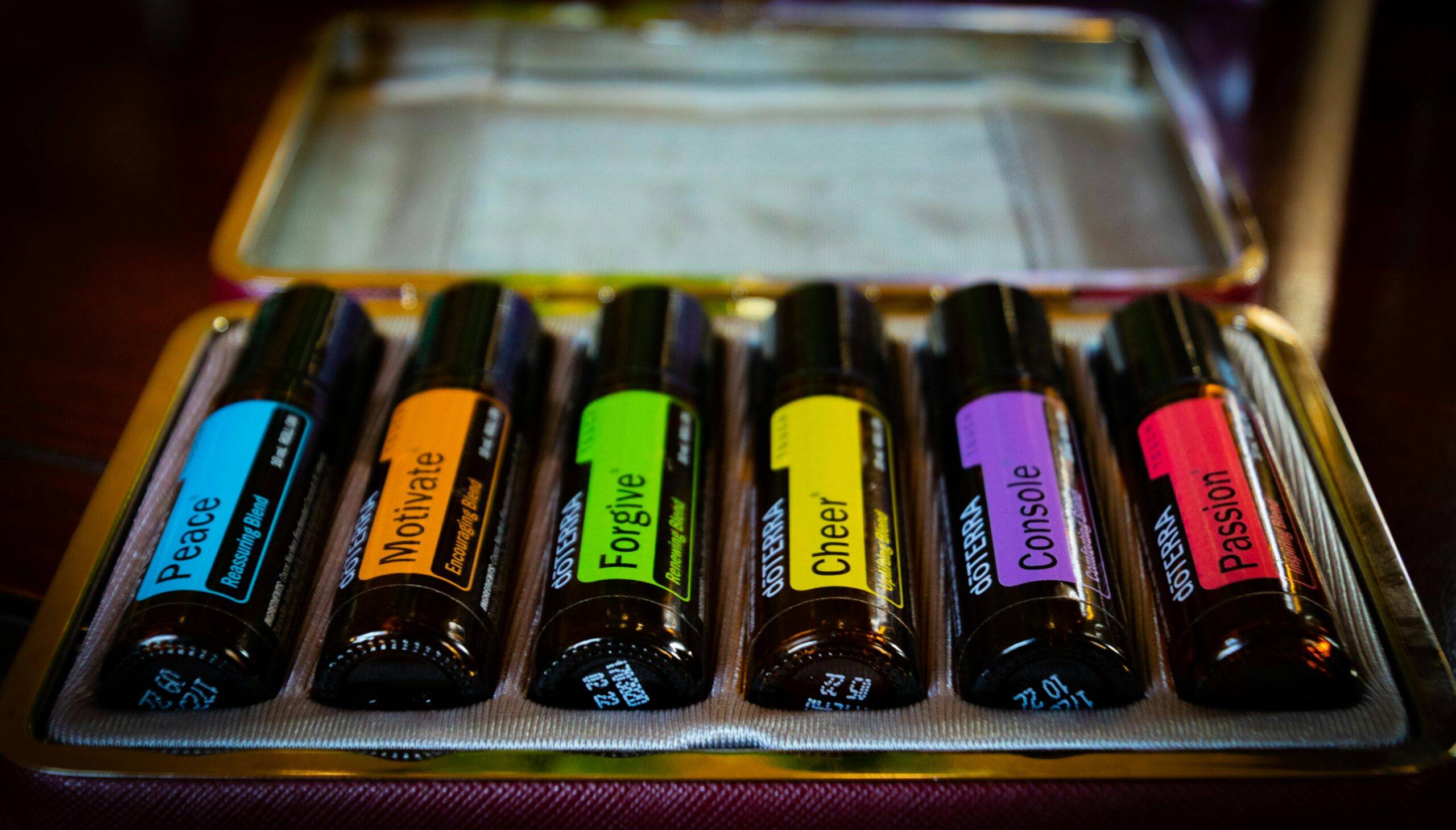
Maximizing the lifespan of plant-based actives is essential for product quality, consumer safety, and business profitability in today’s competitive natural products market.

The global shift toward natural and plant-based ingredients has revolutionized the cosmetics, pharmaceutical, and food industries. However, these botanical actives present unique challenges when it comes to stability and shelf-life prediction. Unlike synthetic compounds, plant-based ingredients contain complex mixtures of phytochemicals that can degrade through various pathways, making accurate shelf-life estimation both critical and challenging.
Understanding how to predict and extend the shelf-life of plant-based actives isn’t just about compliance—it’s about unlocking the full commercial potential of your products while ensuring consumer satisfaction and brand reputation remain intact.
🌿 Why Shelf-life Prediction Matters for Plant-based Actives
Plant-based actives are inherently more susceptible to degradation than their synthetic counterparts. These natural compounds face multiple stability challenges including oxidation, hydrolysis, enzymatic degradation, and microbial contamination. The consequences of inaccurate shelf-life predictions can be severe, ranging from reduced efficacy to potential safety concerns.
When products fail before their labeled expiration date, companies face product recalls, regulatory scrutiny, and damaged brand reputation. Conversely, underestimating shelf-life means leaving money on the table and creating unnecessary waste. The economic implications are substantial—the global natural cosmetics market alone is projected to reach over $54 billion by 2027, with similar growth trajectories in nutraceuticals and functional foods.
Accurate shelf-life prediction enables manufacturers to optimize formulations, select appropriate packaging, establish proper storage conditions, and confidently set expiration dates that protect both consumers and business interests.
Understanding the Degradation Pathways of Botanical Ingredients
Before mastering shelf-life prediction, you must understand what causes plant-based actives to deteriorate. Unlike single-molecule synthetic ingredients, botanical extracts contain dozens or even hundreds of bioactive compounds, each with its own stability profile.
Primary Degradation Mechanisms
Oxidation represents the most common degradation pathway for plant-based actives, particularly those containing phenolic compounds, essential oils, and unsaturated fatty acids. When exposed to oxygen, light, or metal ions, these compounds undergo oxidative reactions that reduce potency and can generate undesirable colors, odors, or even toxic byproducts.
Hydrolysis affects glycosides, esters, and other moisture-sensitive plant compounds. Water activity in formulations can trigger chemical bonds to break, releasing sugar moieties from glycosides or fatty acids from esters, fundamentally altering the active’s structure and efficacy.
Enzymatic degradation occurs when residual plant enzymes remain active in extracts or when microbial enzymes are introduced. These biological catalysts can rapidly degrade target compounds, particularly in aqueous formulations or when temperature controls fail.
Photodegradation specifically impacts light-sensitive compounds like chlorophylls, carotenoids, and certain flavonoids. UV and visible light can initiate free radical reactions that cascade through formulations, degrading multiple components simultaneously.
Synergistic Degradation Effects
The complexity increases when multiple degradation pathways operate simultaneously. Temperature fluctuations accelerate oxidation while increasing microbial growth rates. Light exposure combined with oxygen presence creates particularly aggressive conditions. Understanding these synergistic effects is crucial for developing realistic shelf-life models.
🔬 Analytical Methods for Monitoring Stability
Accurate shelf-life prediction requires robust analytical methods to track changes in plant-based actives over time. The choice of analytical techniques depends on the specific compounds being monitored, the complexity of the matrix, and the resources available.
Chromatographic Techniques
High-Performance Liquid Chromatography (HPLC) remains the gold standard for quantifying specific plant compounds. This technique separates individual components, allowing precise measurement of how marker compounds change over time. For volatile compounds like essential oils, Gas Chromatography (GC) provides superior resolution and sensitivity.
Advanced techniques like UHPLC-MS (Ultra-High Performance Liquid Chromatography-Mass Spectrometry) offer even greater analytical power, enabling simultaneous monitoring of multiple compounds and identification of degradation products that might affect stability or safety.
Spectroscopic Methods
UV-Vis spectroscopy provides a fast, non-destructive way to monitor color changes and detect oxidation in colored plant compounds like carotenoids and anthocyanins. Infrared spectroscopy can identify functional group changes, helping track chemical modifications during storage.
Near-infrared (NIR) spectroscopy combined with chemometric modeling offers rapid, at-line monitoring capabilities that can streamline stability testing programs without sacrificing accuracy.
Physical and Sensory Assessments
Beyond chemical analysis, physical properties like viscosity, pH, color, and particle size distribution provide valuable stability indicators. Sensory evaluation by trained panels detects changes in odor, appearance, and texture that might not register in purely chemical analyses but significantly impact consumer acceptance.
Accelerated Stability Testing Protocols
Waiting for products to fail under normal storage conditions is impractical for business timelines. Accelerated stability testing applies stress conditions to predict long-term stability in compressed timeframes, enabling faster product development and market entry.
The Arrhenius Equation and Temperature Acceleration
The foundation of accelerated testing is the Arrhenius relationship, which describes how reaction rates increase with temperature. For every 10°C increase in temperature, chemical reactions typically proceed two to three times faster. By storing samples at elevated temperatures (typically 40°C, 50°C, and sometimes 60°C) and monitoring degradation rates, you can extrapolate to predict stability at normal storage temperatures.
However, this approach has limitations for plant-based actives. Some degradation mechanisms change at elevated temperatures, and phase changes or protein denaturation can occur that wouldn’t happen under normal conditions. This is why multiple temperature points and careful validation are essential.
Stress Testing Beyond Temperature
Comprehensive accelerated testing programs include multiple stress factors:
- Light exposure testing: Using standardized light sources to simulate months or years of ambient light exposure in days or weeks
- Humidity cycling: Testing stability under various moisture conditions, particularly important for hygroscopic plant materials
- Freeze-thaw cycling: Evaluating physical stability under temperature fluctuations that might occur during distribution
- Oxidative stress: Testing under elevated oxygen atmospheres to accelerate oxidative degradation
- pH extremes: Assessing stability across pH ranges the product might encounter
Establishing Real-time Stability Programs
While accelerated testing provides predictions, real-time stability testing under actual storage conditions remains the regulatory gold standard. These long-term studies validate accelerated testing predictions and catch stability issues that might not manifest under stress conditions.
A well-designed stability program includes both accelerated and real-time components, with clearly defined sampling timepoints, acceptance criteria, and analytical methods documented in advance.
📊 Statistical Modeling for Shelf-life Determination
Raw stability data becomes actionable through proper statistical analysis. Several mathematical models can transform degradation curves into shelf-life estimates with defined confidence intervals.
Zero-order and First-order Kinetics
Many plant compounds follow first-order degradation kinetics, where the rate of degradation is proportional to the concentration remaining. Others follow zero-order kinetics with constant degradation rates. Plotting data appropriately (concentration vs. time for zero-order, log concentration vs. time for first-order) reveals which model fits your data.
The slope of these relationships provides the degradation rate constant, which can be used to calculate the time required to reach a predetermined specification limit—typically 90% or 95% of initial concentration for actives.
Regression Analysis and Confidence Intervals
Linear regression on stability data allows calculation of shelf-life with statistical confidence. The 95% confidence interval on the regression line indicates the time at which you can be 95% certain the product will meet specifications. This conservative approach accounts for measurement variability and natural batch-to-batch variation.
Advanced Modeling Approaches
For complex formulations with multiple degradation pathways, multivariate statistical approaches like Principal Component Analysis (PCA) or Partial Least Squares (PLS) regression can identify which factors most significantly impact stability and predict shelf-life based on multiple analytical parameters simultaneously.
🛡️ Formulation Strategies to Extend Shelf-life
Understanding degradation mechanisms enables strategic formulation approaches that dramatically extend shelf-life without compromising the natural positioning of plant-based products.
Antioxidant Systems
Incorporating antioxidants is the most effective strategy for preventing oxidative degradation. Natural options include tocopherols (vitamin E), ascorbic acid (vitamin C), rosemary extract, and green tea polyphenols. Synergistic combinations often outperform single antioxidants, as different compounds work through complementary mechanisms.
The concentration matters—too little provides inadequate protection, while excess antioxidants can sometimes exhibit pro-oxidant effects. Optimization testing identifies the ideal balance for each formulation.
Chelating Agents
Metal ions like iron and copper catalyze oxidative reactions. Chelating agents like EDTA, citric acid, or phytic acid bind these metals, preventing them from initiating degradation cascades. Natural chelators align with clean-label positioning while providing robust protection.
pH Optimization
Many plant compounds exhibit maximum stability within specific pH ranges. Alkaloids may be more stable in acidic conditions, while certain phenolics prefer neutral to slightly alkaline environments. Buffering systems maintain optimal pH throughout shelf-life, even as other components degrade or interact.
Water Activity Control
Reducing water activity through humectants like glycerin or propylene glycol slows hydrolytic degradation and microbial growth. For dry products, desiccants and moisture-barrier packaging maintain low water activity that dramatically extends shelf-life.
Packaging Solutions for Maximum Protection 📦
Even the most stable formulation needs appropriate packaging to achieve its shelf-life potential. Packaging serves as the final barrier between plant-based actives and environmental stressors.
Oxygen Barrier Technologies
For oxidation-sensitive formulations, oxygen transmission rate becomes the critical packaging parameter. Multi-layer laminates incorporating aluminum foil provide excellent oxygen barriers, while still allowing design flexibility. Glass containers offer superior barrier properties but add weight and breakage concerns.
Newer technologies like oxygen-scavenging packaging actively remove oxygen from headspace and permeating through walls, providing dynamic protection throughout shelf-life.
Light Protection
Amber or opaque containers protect photosensitive compounds from degradation. UV-blocking additives in plastic packaging materials provide protection while maintaining transparency. The level of protection required depends on the photostability of specific actives and expected light exposure during storage and use.
Airless and Vacuum Packaging
Airless dispensing systems minimize product exposure to oxygen during use, particularly important for products used over extended periods. Vacuum packaging eliminates headspace oxygen initially, though protection during use requires other strategies.
💼 Regulatory Considerations and Documentation
Shelf-life claims aren’t just marketing decisions—they’re regulatory commitments with legal implications. Proper documentation and compliance with regional requirements protect both consumers and your business.
ICH Guidelines
The International Council for Harmonisation (ICH) provides globally recognized stability testing guidelines, particularly ICH Q1A(R2) for long-term and accelerated testing. Following these protocols ensures acceptance across multiple markets and provides defensible shelf-life determinations.
Documentation Requirements
Comprehensive stability programs require detailed documentation including:
- Stability protocol defining test conditions, timepoints, and analytical methods
- Certificate of analysis for each time point with raw data
- Statistical analysis supporting shelf-life claims
- Out-of-specification investigations when results fail acceptance criteria
- Annual stability reports summarizing ongoing programs
Post-market Surveillance
Stability testing doesn’t end at launch. Ongoing stability programs monitor commercial batches, validating that manufacturing-scale products match stability profiles established during development. Market complaint investigations often reveal stability issues not detected during development testing.
🚀 Implementing a Robust Shelf-life Prediction Program
Translating knowledge into practice requires systematic implementation of stability protocols integrated with product development and quality systems.
Building Cross-functional Teams
Effective shelf-life prediction requires collaboration between formulation scientists, analytical chemists, quality assurance professionals, regulatory specialists, and packaging engineers. Early involvement of all stakeholders prevents costly reformulations or package changes late in development.
Investment in Analytical Capabilities
While sophisticated equipment like HPLC-MS systems require significant investment, the cost of inaccurate shelf-life predictions far exceeds analytical infrastructure costs. Many companies balance capabilities through partnerships with contract testing laboratories for specialized analyses.
Database Development
Accumulating stability data across products and formulation types builds institutional knowledge that accelerates future development. Properly organized databases enable rapid identification of stability risks in new formulations based on historical data with similar ingredients or structures.
Continuous Improvement
Regular review of stability performance versus predictions identifies opportunities to refine models and testing protocols. When products exceed predicted shelf-life, conservative models can be adjusted. When unexpected failures occur, root cause investigations improve future predictions.
Future Trends in Shelf-life Prediction Technology ✨
Emerging technologies promise to revolutionize how we predict and extend shelf-life for plant-based actives, making programs more efficient, accurate, and predictive.
Artificial Intelligence and Machine Learning
AI algorithms can identify complex patterns in multi-parameter stability data that traditional statistical methods miss. Machine learning models trained on historical stability databases can predict shelf-life for new formulations before physical testing, dramatically accelerating development timelines.
Real-time Monitoring Technologies
Smart packaging incorporating chemical sensors or RFID temperature loggers provides real-time visibility into storage conditions throughout distribution. Time-temperature indicators signal when products have been exposed to conditions that might compromise stability.
Predictive Modeling Software
Advanced simulation software can model how formulation changes, packaging modifications, or storage conditions impact shelf-life before creating physical samples. These in silico approaches reduce the experimental burden and enable rapid optimization.
Non-destructive Analysis
Emerging spectroscopic techniques enable stability assessment without opening packages or removing samples, reducing material requirements and allowing more frequent monitoring without consuming product.

Maximizing Your Return on Stability Investment
The benefits of mastering shelf-life prediction extend far beyond regulatory compliance. Companies that excel at stability prediction gain significant competitive advantages through faster time-to-market, reduced development costs, optimized inventory management, and stronger brand reputation.
Extended shelf-life enables broader distribution, entry into markets with long supply chains, and reduced waste throughout the value chain. Accurate predictions prevent both premature product failures and unnecessarily conservative expiration dates that limit market potential.
For plant-based actives, where natural positioning and efficacy claims drive premium pricing, demonstrating stability through shelf-life validates marketing claims and justifies value propositions. Consumers increasingly demand natural products that perform as well as synthetic alternatives—delivering that promise requires mastering stability science.
By implementing comprehensive shelf-life prediction programs, investing in appropriate analytical capabilities, and continuously refining models based on market performance, companies unlock the full commercial potential of plant-based actives while ensuring product quality and consumer safety remain paramount throughout the product lifecycle.