# Keep Your Botanical Extracts Fresh: Understanding Degradation and Proven Prevention Techniques

Botanical extracts are delicate compounds that require proper care to maintain their potency, therapeutic benefits, and aromatic qualities throughout their shelf life.
Whether you’re a herbalist crafting tinctures, a skincare formulator developing natural products, or a home enthusiast exploring plant medicine, understanding how to preserve botanical extracts is essential. These concentrated plant compounds represent significant investments of time, money, and botanical resources. When they degrade, you lose not only their effectiveness but also the therapeutic compounds that make them valuable in the first place.
The degradation of botanical extracts isn’t just about expired dates on bottles—it’s a complex process involving oxidation, light exposure, temperature fluctuations, and microbial contamination. Each extract has unique vulnerabilities based on its chemical composition, extraction method, and storage conditions. Learning to recognize early signs of deterioration and implementing prevention strategies can extend shelf life significantly while maintaining quality standards.
🔬 The Science Behind Botanical Extract Degradation
Botanical extracts contain complex mixtures of phytochemicals including alkaloids, flavonoids, terpenes, glycosides, and phenolic compounds. These active constituents are sensitive to environmental factors that trigger chemical reactions leading to breakdown and loss of efficacy.
Oxidation represents one of the most common degradation pathways. When botanical compounds interact with oxygen, free radicals form and initiate chain reactions that alter molecular structures. This process affects essential oils particularly severely, transforming therapeutic monoterpenes into potentially irritating oxidation products. Antioxidant-rich extracts like those containing vitamin E or rosemary naturally resist this process better than others.
Hydrolysis occurs when water molecules break chemical bonds within botanical compounds, especially esters and glycosides. This reaction accelerates in the presence of heat and affects water-based extracts more dramatically than alcohol-based preparations. The pH level of your extract also influences hydrolysis rates, with extreme acidity or alkalinity speeding degradation.
Photodegradation happens when light energy, particularly UV radiation, provides enough activation energy to break molecular bonds. Many valuable plant compounds including chlorophyll, carotenoids, and certain alkaloids are photosensitive. Even indirect sunlight or fluorescent lighting can gradually diminish extract potency over weeks and months of exposure.
⚠️ Recognizing the Warning Signs of Extract Deterioration
Detecting degradation early allows you to salvage extracts before complete spoilage or decide when replacement becomes necessary. Visual, olfactory, and physical changes all provide important clues about extract condition.
Color changes often signal chemical alterations within botanical extracts. Darkening typically indicates oxidation, while fading suggests photodegradation. Green extracts containing chlorophyll may turn brownish as the pigment breaks down. However, some natural color shifts occur without compromising quality—alcohol extracts may darken slightly over time without losing potency.
Aroma degradation provides another reliable indicator. Fresh botanical extracts possess characteristic scents reflecting their volatile compound profiles. As degradation progresses, aromatic notes become flat, musty, or develop off-putting chemical odors. Essential oil-rich extracts lose their bright top notes first, followed by middle and base notes. Trust your nose—if an extract smells “wrong” compared to when fresh, degradation has likely occurred.
Physical changes including cloudiness, sediment formation, or separation may indicate microbial growth, precipitation of compounds, or emulsion breakdown in oil-containing extracts. While some sediment is normal in unfiltered tinctures, sudden increases or unusual particles warrant concern. Mold growth appears as fuzzy spots or films and requires immediate disposal of the affected extract.
🌡️ Temperature Management for Maximum Longevity
Temperature control represents one of the most critical factors in botanical extract preservation. Chemical reaction rates generally double with every 10°C increase in temperature, meaning heat dramatically accelerates degradation processes.
Cool, consistent temperatures between 15-20°C (59-68°F) provide ideal storage conditions for most botanical extracts. This range slows oxidation and hydrolysis while preventing compound crystallization that sometimes occurs at colder temperatures. Avoid storing extracts near heat sources like stoves, radiators, sunny windowsills, or appliances that generate warmth.
Refrigeration benefits certain extracts, particularly those rich in polyunsaturated fatty acids, fresh plant preparations, and water-based extracts prone to microbial growth. However, condensation forms when cold bottles are repeatedly removed and returned to refrigeration, introducing moisture that can promote degradation. If refrigerating extracts, allow bottles to reach room temperature before opening to minimize condensation.
Freezing extends shelf life for many botanical preparations, especially those you don’t use frequently. Alcohol-based tinctures typically don’t freeze solid due to their ethanol content, making them accessible even when frozen. Glycerites and water-based extracts freeze completely but remain viable after thawing. Use freezer-safe containers with minimal headspace to prevent expansion damage.
💡 Light Protection Strategies That Actually Work
Photodegradation destroys valuable botanical compounds silently and persistently, making light protection essential for long-term extract storage.
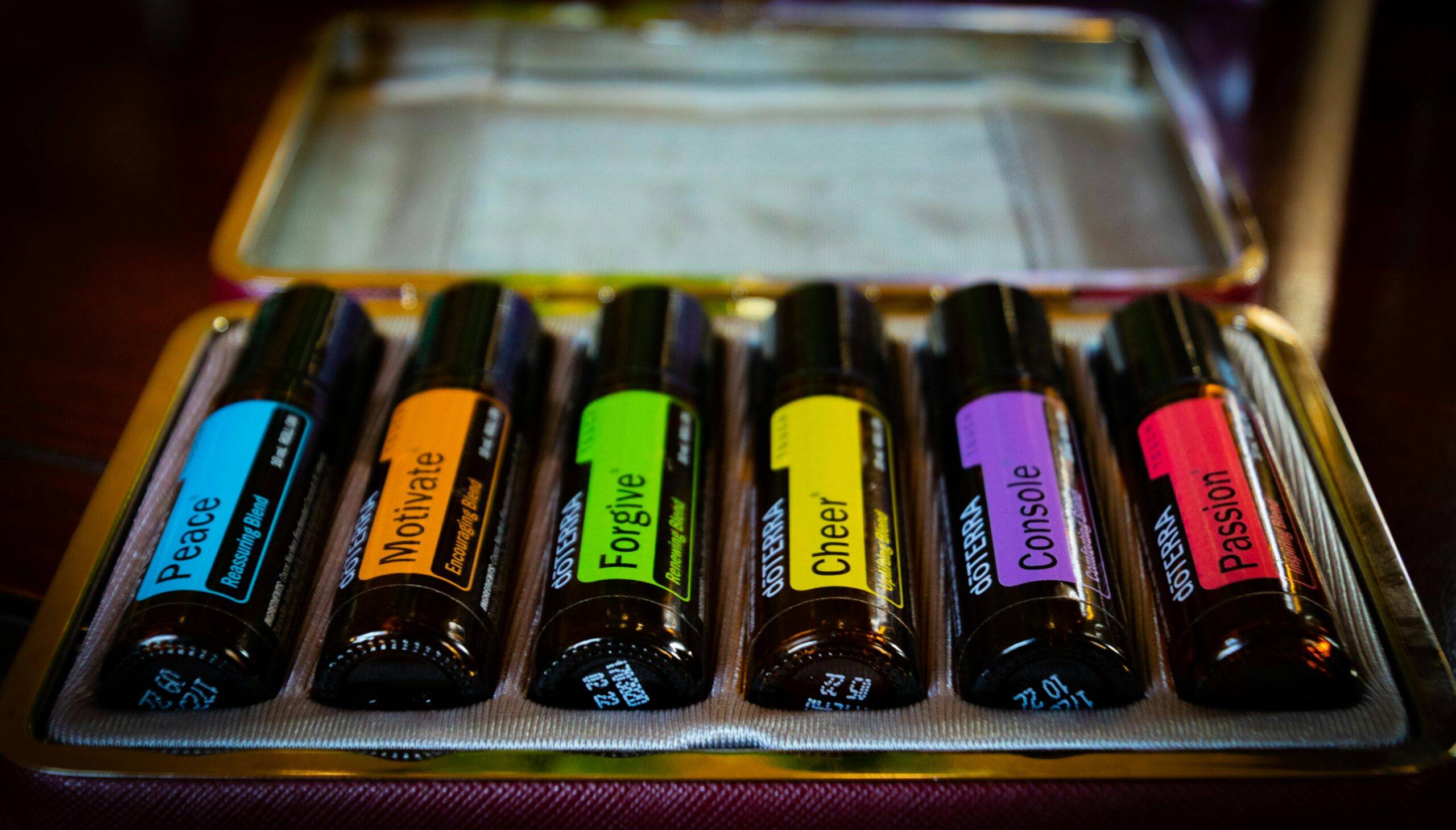
Amber glass bottles provide excellent UV protection, filtering out most damaging short-wavelength light while maintaining visibility of extract contents. This traditional pharmacy packaging remains the gold standard for light-sensitive preparations. Cobalt blue glass offers similar protection with distinctive aesthetics, while green glass provides moderate protection suitable for less photosensitive extracts.
Opaque containers including violet glass (Miron glass) and metal tins offer maximum light protection by blocking the entire visible spectrum. Violet glass specifically blocks the complete spectrum except for violet and UV-A light, which some research suggests may actually preserve and energize organic substances. These premium containers work exceptionally well for highly photosensitive extracts despite their higher cost.
Storage location matters as much as container choice. Keep extracts in dark cupboards, drawers, or dedicated storage boxes away from windows and artificial lighting. Even amber bottles benefit from darkness during storage. If workspace limitations require visible storage, position extracts on shelves away from direct light sources and consider using curtains or blinds to control natural light exposure.
🌬️ Oxygen Exposure and Container Selection
Minimizing oxygen contact significantly extends botanical extract shelf life by preventing oxidative degradation of sensitive compounds.
Choose appropriately sized containers that minimize headspace—the air gap between extract surface and container closure. Excessive headspace provides more oxygen for degradation reactions. When extract volumes decrease through use, consider transferring remaining contents to smaller bottles to maintain minimal air contact.
Dropper bottles and pump dispensers reduce oxygen exposure during use by eliminating the need to remove caps and pour, which introduces fresh air with each use. However, ensure these closures seal tightly when not in use. Inferior quality droppers may leak or allow air infiltration, negating their benefits.
Nitrogen blanketing represents an advanced preservation technique where heavier-than-air nitrogen gas displaces oxygen in container headspace. Professional herbalists and formulators sometimes use this method for particularly valuable or oxidation-prone extracts. Small nitrogen canisters designed for wine preservation work effectively for this purpose, though the equipment investment may not justify costs for casual users.
🧪 Preservative Systems and Natural Alternatives
Preservation extends beyond physical storage conditions to include antimicrobial strategies that prevent bacterial and fungal contamination, particularly in water-containing extracts.
Alcohol serves as both solvent and preservative in traditional tinctures. Concentrations above 20% provide some antimicrobial effect, while 60% and higher offer robust preservation for most applications. The alcohol percentage needed depends on the botanical material’s water content and antimicrobial compound profile. Resinous, antimicrobial-rich plants require less alcohol for preservation than high-moisture, non-antimicrobial botanicals.
Glycerin-based extracts (glycerites) possess moderate preservation properties, though not as strong as alcohol. Glycerin creates an unfavorable osmotic environment for microorganisms, but contamination remains possible, especially in diluted preparations. Combining glycerin with small amounts of alcohol (10-20%) enhances preservation while maintaining the gentler character that makes glycerites popular for children and alcohol-sensitive individuals.
Natural preservative systems including vitamin E (tocopherol), rosemary oleoresin extract, and grapefruit seed extract provide antioxidant protection that slows oxidation in oil-based extracts and products. These require proper usage rates—typically 0.1-1% depending on the preservative and application. While marketed as antimicrobial, many natural preservatives primarily function as antioxidants rather than broad-spectrum antimicrobials.
📊 Shelf Life Expectations for Different Extract Types
Understanding typical longevity for various botanical extract preparations helps set realistic expectations and establish appropriate replacement schedules.
| Extract Type | Typical Shelf Life | Key Degradation Factors |
|---|---|---|
| Alcohol Tinctures (40-60%) | 3-5 years | Oxidation, light exposure |
| Glycerites | 1-3 years | Microbial growth, oxidation |
| Oil Infusions | 1-2 years | Oxidation, rancidity |
| Essential Oils (citrus) | 1-2 years | Oxidation, evaporation |
| Essential Oils (woods, resins) | 4-8 years | Oxidation (slower) |
| Water-Based Extracts | 1-7 days (refrigerated) | Microbial growth, hydrolysis |
| Fresh Plant Succus | 1-2 years | Fermentation, oxidation |
These timeframes assume proper storage conditions. Poor storage can reduce shelf life by 50% or more, while optimal conditions may extend it beyond typical ranges. Always label extracts with preparation dates and conduct sensory evaluations before use, regardless of age.
🏷️ Proper Labeling and Documentation Practices
Comprehensive labeling transforms extract storage from guesswork into organized preservation management, enabling you to track ages, monitor batches, and identify degradation patterns over time.
Essential label information includes the botanical name (both common and Latin binomial), extraction date, menstruum (solvent) type and ratio, plant part used, and source or supplier information. This data helps you assess expected shelf life and troubleshoot quality issues. For example, root extracts generally store longer than flower or leaf preparations due to different phytochemical profiles.
Batch numbering becomes important when preparing multiple extracts simultaneously or working with different harvest times of the same plant. If quality issues emerge, batch tracking helps determine whether problems stem from extraction technique, plant material quality, or storage conditions. Include harvest date and location for wildcrafted or homegrown botanicals to track seasonal and environmental influences on extract quality.
Additional useful documentation includes extraction method (folk, ratio, or Simplers method), special notes about plant condition, and intended uses. Maintaining a separate extract journal or database allows more detailed record-keeping than bottle labels permit, including observations about color, aroma, and efficacy changes over time.
✨ Advanced Preservation Techniques for Serious Herbalists
Beyond basic storage principles, specialized techniques offer additional protection for valuable or particularly sensitive botanical extracts.
Vacuum sealing removes air from containers before storage, dramatically reducing oxidation potential. While more commonly associated with food preservation, this technique works excellently for dried botanical materials and can be adapted for liquid extracts using specialized equipment. The initial investment pays dividends for those working with expensive or rare botanicals.
Desiccant packets control moisture in storage areas housing multiple extract bottles, preventing humidity-related degradation. Food-grade silica gel packets absorb excess moisture without affecting extract contents. This proves especially valuable in humid climates or seasonal environments where condensation poses risks. Replace desiccants regularly according to manufacturer recommendations or when color indicators show saturation.
Temperature logging devices track storage environment conditions over time, helping identify problematic temperature fluctuations. Simple max-min thermometers provide basic monitoring, while digital dataloggers with smartphone connectivity offer comprehensive environmental tracking. This data proves invaluable when troubleshooting unexpected degradation or optimizing storage conditions.
🔄 Sustainable Practices and Extract Lifecycle Management
Thoughtful extract management extends beyond preservation to include sustainable preparation practices and responsible disposal when extracts reach end-of-life.
Prepare quantities matched to actual usage rates rather than making large batches that exceed realistic consumption timelines. While bulk preparation seems efficient, excess extracts often degrade before use, wasting botanical materials and resources. Start with smaller batches until you establish accurate usage patterns, then scale up appropriately.
Implement first-in-first-out (FIFO) rotation systems to ensure older extracts get used before newer preparations. Organize storage alphabetically or by category with oldest bottles positioned for easiest access. Regular inventory assessments every 3-6 months help identify aging extracts needing prioritization or evaluation.
When extracts degrade beyond usability, dispose of them responsibly. Small quantities of alcohol tinctures can generally go down household drains with plenty of water in most jurisdictions, while oil-based extracts should never enter water systems. Check local regulations regarding botanical waste disposal. Moldy or contaminated extracts require special handling—seal in plastic bags before trash disposal to prevent spore spread.
🛡️ Quality Testing and Monitoring Protocols
Systematic quality evaluation identifies degradation early, allowing you to use extracts at peak potency while they remain effective.
Conduct monthly sensory evaluations of your extract collection, documenting any changes in appearance, aroma, or taste. Keep baseline descriptions from preparation dates for comparison. This regular attention helps you recognize subtle degradation signs before they become obvious, maximizing extract utility windows.
pH testing provides objective data about extract stability over time. Significant pH shifts may indicate chemical degradation or microbial activity. Inexpensive pH strips work adequately for basic monitoring, while digital pH meters offer precision for critical applications. Establish baseline pH at preparation and test quarterly or when other degradation signs appear.
For professional operations or particularly valuable extracts, consider periodic laboratory testing for potency, microbial contamination, and heavy metal content. While expensive, such testing confirms quality objectively and provides documentation for therapeutic or commercial applications. Some herbalists submit samples after preparation and again mid-shelf-life to establish degradation curves for specific preparations.
💚 Maximizing Investment Through Proper Extract Care
The effort invested in botanical extract preservation pays consistent dividends through extended shelf life, maintained potency, and reliable therapeutic outcomes. Quality botanical materials represent significant investments—wild-harvested herbs require labor and ecosystem knowledge, while cultivated plants demand time, soil preparation, and careful timing. Extraction itself consumes energy, solvents, and processing time. Proper preservation respects these investments by ensuring extracts remain usable throughout their potential shelf life.
Beyond economic considerations, preservation practices honor the plants themselves. Each botanical extract contains concentrated life force from plants that grew, photosynthesized, and produced secondary metabolites for their own survival. Allowing these preparations to degrade unnecessarily through careless storage wastes not just materials but the ecological resources that produced them. Mindful preservation aligns with sustainable herbalism principles that emphasize respect for plant medicines and responsible use of natural resources.
Implementation doesn’t require expensive equipment or complex procedures. Start with basic principles—appropriate containers, cool dark storage, minimal air exposure—and expand preservation techniques as your practice grows. The skills and knowledge you develop through attentive extract care will serve you throughout your botanical journey, whether you’re making simple home remedies or developing sophisticated herbal formulations for broader use.
Remember that preservation begins at extraction. Using quality plant materials, appropriate solvents, and sound technique creates extracts with better inherent stability. Poor extraction practices produce compromised preparations that degrade rapidly regardless of storage conditions. Combine skilled extraction with thoughtful preservation for botanical extracts that maintain their full spectrum of therapeutic benefits from preparation through the last drop.